Pocahontas County, WV Food Handler
| Certificate Valid For | 1 year |
|---|---|
| Available Languages | ENGLISH,SPANISH,MANDARIN |
| Completion Time | 45 minutes |
What You Will Learn:
The Pocahontas County Food Handler Course provides essential knowledge and practical guidance for handling food safely in a food establishment. Upon completion of the course, participants will be able to:
Identify Food-Related Health Risks
Recognize how food may cause foodborne illness or allergic reactions and identify common biological, chemical, and physical hazards that may affect food safety.
Prevent Food Contamination
Apply proper food handling practices to prevent contamination of food, equipment, utensils, and food-contact surfaces. Participants will also learn methods for preventing cross-contamination and reducing exposure to harmful microorganisms.
Recognize and Report Employee Health Concerns
Identify symptoms and illnesses that may affect an employee’s ability to safely handle food. Participants will learn when and how to report health concerns to a supervisor or person in charge.
Apply Time and Temperature Controls
Understand the importance of controlling time and temperature during food receiving, storage, preparation, cooking, holding, cooling, and reheating. These practices help prevent the growth of harmful microorganisms and reduce the risk of foodborne illness.
Maintain Personal Hygiene and Sanitary Conditions
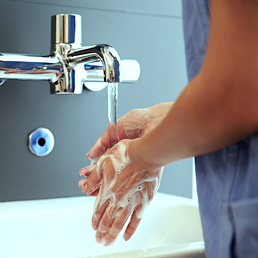
Demonstrate proper personal hygiene practices, including effective handwashing, appropriate glove use, clean clothing, and hygienic behavior during food preparation and service.
Support a Safe Food Establishment
Use food safety knowledge to protect consumers, prevent foodborne illness, and contribute to a clean, safe, and compliant food service operation.
Successful completion of the course demonstrates that participants have received essential food safety training and are prepared to carry out their responsibilities as food workers.
West Virginia Food Handler Training
| Certificate Valid For | 3 years |
|---|---|
| Available Languages | ENGLISH,SPANISH,KOREAN,MANDARIN,TAGALOG,VIETNAMESE,ASL,RUSSIAN,ARABIC |
| Completion Time | 1.5 - 2 hours |
What You Will Learn:
This 120-minute Food Handler Course provides a comprehensive introduction to the knowledge and practices required to handle food safely. Through ten structured lessons, participants will learn how to reduce food safety risks, prevent contamination, protect customers, and support a safe food establishment.
Upon completion of the course, participants will be able to:
Understand the Importance of Food Safety Training
Explain why food safety training is essential and describe the responsibilities of food employees in preventing foodborne illness.
Recognize Foodborne Illness Risks
Identify common causes, symptoms, and consequences of foodborne illness and understand how unsafe food handling practices can place customers at risk.
Identify Biological Hazards
Recognize bacteria, viruses, parasites, and other biological hazards that may contaminate food and understand the conditions that allow harmful microorganisms to grow.
Prevent Cross-Contamination and Allergen Cross-Contact
Apply proper food handling procedures to prevent cross-contamination between raw and ready-to-eat foods. Participants will also learn how to recognize major food allergens and prevent allergen cross-contact.
Control Chemical and Physical Hazards
Identify common sources of chemical and physical contamination and apply appropriate procedures for storing chemicals, handling equipment, and protecting food from foreign objects.
Maintain Personal Hygiene and Report Illness
Demonstrate proper handwashing, glove use, personal cleanliness, and hygienic behavior. Participants will also learn which symptoms and illnesses must be reported to a supervisor or person in charge.
Purchase and Receive Food Safely
Recognize approved food sources and inspect deliveries for proper temperature, condition, packaging, labeling, and signs of contamination.
Store Food and Supplies Properly
Apply safe storage practices, including temperature control, date marking, stock rotation, separation of raw and ready-to-eat foods, and proper storage of chemicals and supplies.
Prepare, Cook, and Serve Food Safely
Use proper procedures for thawing, preparing, cooking, holding, cooling, reheating, and serving food while maintaining required time and temperature controls.
Clean and Sanitize Effectively
Distinguish between cleaning and sanitizing and apply correct procedures for washing, rinsing, sanitizing, and air-drying equipment, utensils, and food-contact surfaces.
By completing this course, participants will gain the practical knowledge needed to prevent foodborne illness and perform their food-handling responsibilities safely and responsibly.