Downsizing Lifestyle Changes
A Practical Guide to Buying a Home When Downsizing
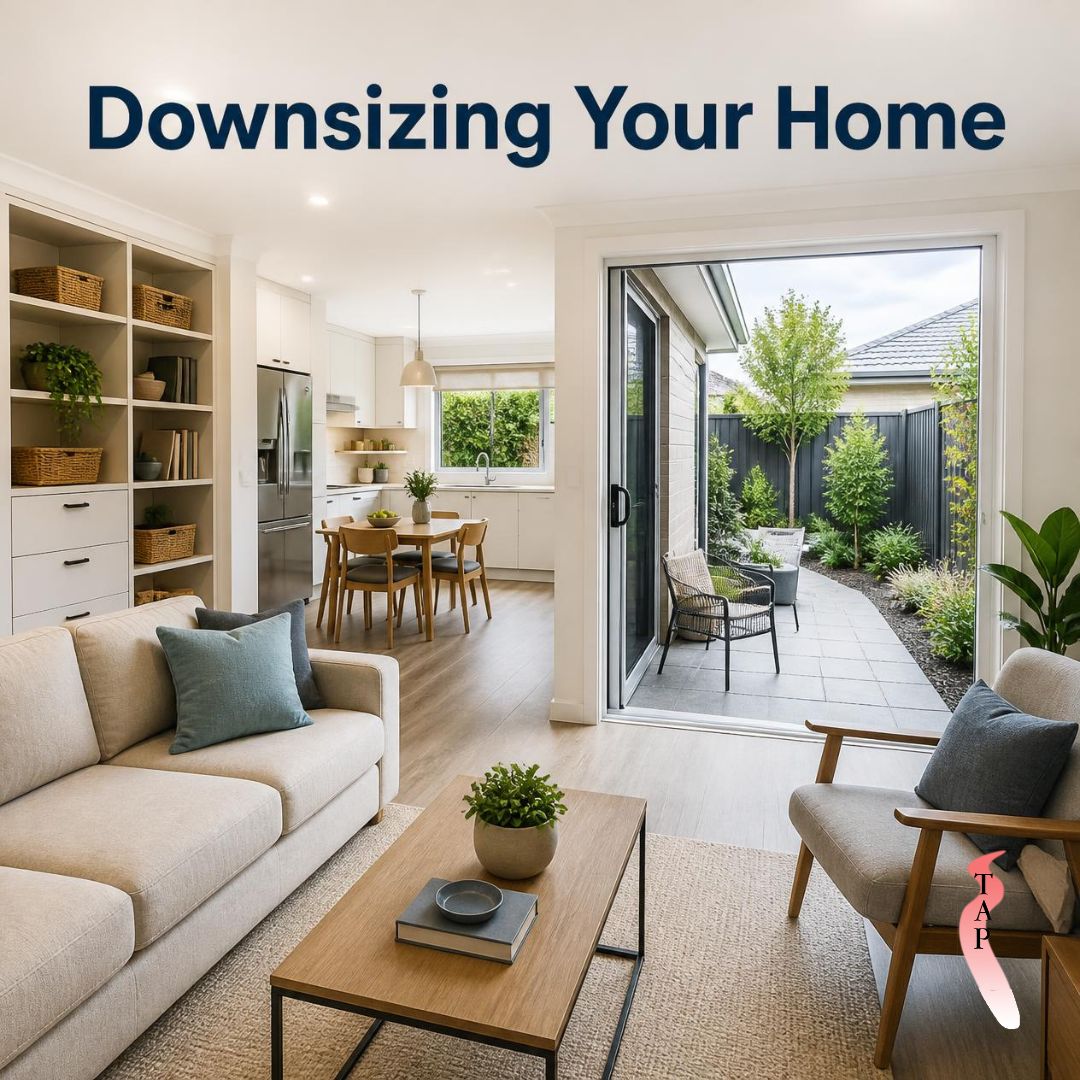
Downsizing can be an opportunity to choose a home that better matches your current lifestyle. A smaller property may mean fewer rooms to clean, less outdoor space to maintain, and a simpler daily routine. However, moving into a smaller home also requires careful consideration of storage, possessions, accessibility, and future needs.
For buyers considering downsizing, the goal is not simply to find a smaller property. It is to determine whether the available space, layout, location, and features can support how you expect to live now and in the years ahead.
Consider How Your Lifestyle May Change
The reasons for downsizing can vary. Some people may want less maintenance, while others may no longer need several bedrooms or large outdoor areas.
Think about how you currently use your home and which spaces are genuinely important. If certain rooms are rarely used, a smaller property may provide a more practical layout.
At the same time, consider activities you enjoy. A smaller home may require adjustments if you regularly host guests, work from home, pursue hobbies, or need dedicated space for equipment.
Review Your Storage Needs
Storage can become one of the biggest challenges when moving into a smaller property. A home with fewer closets, cabinets, or utility areas may require more deliberate organization.
When viewing a property, look beyond the overall floor area. Check closets, kitchen cabinets, bathroom storage, garages, sheds, and other available spaces.
Consider whether your everyday belongings can fit comfortably without making living areas feel crowded. It can also be useful to identify items that you rarely use before moving rather than assuming the new property will accommodate everything.
Take Stock of Your Possessions
Downsizing often means reassessing what you own. Furniture, appliances, clothing, tools, books, decorations, and other household possessions can take up more space than expected.
Before choosing a smaller home, think about which belongings you genuinely want to keep. Large furniture deserves particular attention because a piece that fits comfortably in a larger house may overwhelm a smaller room.
Measuring important furniture before viewing properties can help you understand whether your existing possessions will work with the new space.
Consider Maintenance Requirements
One potential benefit of downsizing is having fewer areas to maintain. A smaller yard, fewer rooms, and a simpler layout may reduce the amount of routine cleaning and upkeep required.
However, maintenance needs depend on the individual property. A small house with an older roof, extensive landscaping, or aging systems may still require considerable attention.
Look at the property's condition and maintenance requirements rather than assuming that a smaller home will automatically be easier to manage.
Think About Accessibility
Accessibility can become increasingly important when choosing a home that you expect to live in for many years. Consider the number of stairs, doorway widths, bathroom layouts, flooring transitions, and the overall ease of moving around the property.
Even if accessibility is not currently a concern, future mobility changes may influence how practical a home remains over time.
A single-level layout may be appealing for some buyers, while others may prefer a property with features that can be adapted as needs change.
Evaluate the Layout, Not Just the Size
Two properties with similar floor areas can feel very different depending on their layouts. Efficient use of space can make a smaller home feel comfortable, while an awkward floor plan may make a larger property feel restrictive.
Consider how rooms connect, where furniture can be placed, and whether there are areas that serve multiple purposes.
A flexible room could function as an office, guest room, hobby area, or additional storage space depending on your needs.
Consider Your Future Needs
A home that works well today may not necessarily suit your needs several years from now. Think about how your household could change and whether the property provides enough flexibility.
Consider potential changes in mobility, household size, work arrangements, hobbies, and storage requirements.
This does not mean predicting every future circumstance. Instead, consider whether the home gives you reasonable options if your needs change.
Look at Outdoor Space
Downsizing does not necessarily mean giving up outdoor space, but a smaller property may have a smaller yard, patio, or garden.
Think about how much outdoor space you actually use and how much maintenance you want to handle. A compact garden or patio may provide enough space for relaxing without requiring the same level of upkeep as a large yard.
If gardening is important to you, check whether the property provides suitable areas for the plants and activities you enjoy.
Consider Location and Convenience
A smaller home may be more practical if it is located close to the services and activities you use regularly. Shops, healthcare facilities, public transportation, recreational areas, and other amenities can influence how convenient everyday life feels.
Think about how easily you can access the places that matter to you. Location can become particularly important if your transportation needs or daily routines change in the future.
Think About the Emotional Side of Downsizing
Downsizing is not only a practical decision. A home can contain years of memories and possessions with personal meaning.
Moving into a smaller property may require letting go of some belongings or changing familiar routines. Taking time to consider which possessions and spaces are genuinely important can make the transition more manageable.
It may help to focus on how you want to use your next home rather than simply thinking about what you are leaving behind.
Compare Space With Simplicity
A smaller home can provide a simpler living environment, but simplicity comes from more than square footage. The right property should provide enough space for the activities and belongings that matter to you without creating unnecessary maintenance.
Consider which features contribute most to your quality of everyday living. A well-designed smaller home may be more practical than a larger property with unused rooms and demanding upkeep.
Final Thoughts
Downsizing requires more than choosing a property with fewer rooms. Buyers should consider storage, possessions, maintenance, accessibility, outdoor space, layout, location, and how their needs could change over time.
The most suitable smaller home is one that provides enough space for the lifestyle you want while remaining practical to maintain. By evaluating both your current routines and potential future needs, you can approach downsizing with realistic expectations and make a more informed property decision.