Sexual Harassment Prevention Training
Gator Strong Services Settles EEOC Sexual Harassment Lawsuit for $25,000
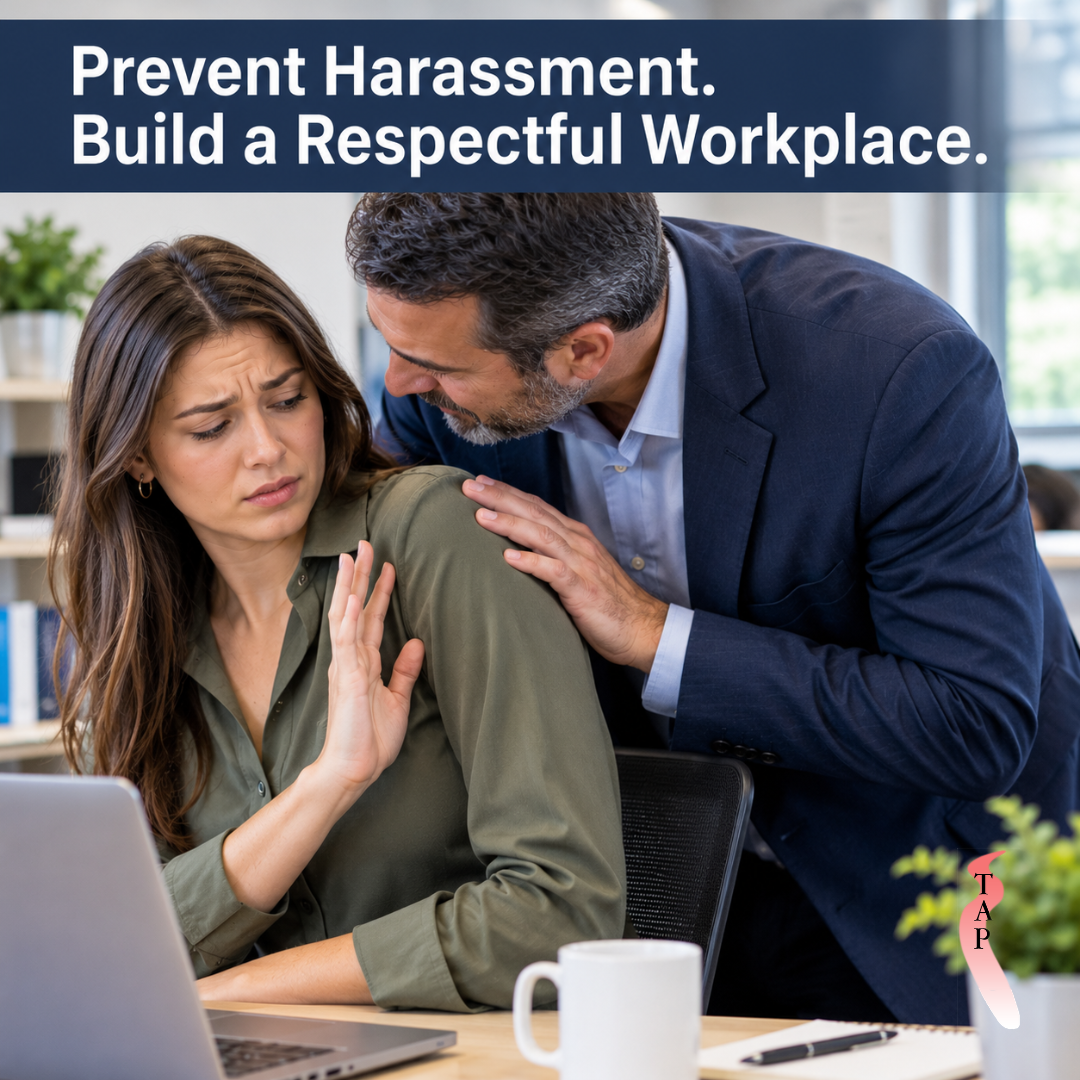
Sexual harassment prevention requires employers to hold executives, supervisors, and employees to the same standards of professional conduct. When allegations involve senior leadership, clear reporting procedures, impartial investigations, and appropriate corrective action become especially important.
The $25,000 settlement involving Gator Strong Services in Wilmington, North Carolina, highlights the importance of executive accountability and workplace harassment prevention. The U.S. Equal Employment Opportunity Commission (EEOC) alleged that a former chief operating officer (COO) repeatedly sexually harassed an office manager and ultimately terminated her employment after she rejected an inappropriate workplace interaction.
Background of the Case
Gator Strong, LLC and Gator Strong NC, LLC operate Gator Strong Services, a home services company based in Wilmington, North Carolina.
The EEOC filed a federal lawsuit against the companies, alleging that the former COO subjected an office manager to repeated sexual harassment and ultimately fired her after she refused to engage with him about an inappropriate document.
The lawsuit also alleged that Gator Strong NC, LLC had successor liability for the conduct at issue.
The case, EEOC et al. v. Gator Strong, LLC et al., Case No. 7:25-cv-01267, was filed in the U.S. District Court for the Eastern District of North Carolina after the EEOC attempted to resolve the matter through its administrative conciliation process.
Details of the Incident
According to the EEOC's allegations, the former COO repeatedly subjected the office manager to unwelcome sexual conduct.
The lawsuit alleged that the executive:
- Made repeated sexual comments toward the employee.
- Humiliated her in front of coworkers.
- Hugged her without her consent.
- Shared intimate details about his personal sex life.
- Asked her about a sexually inappropriate contract that she discovered in a folder on her desk.
- Terminated her employment after she refused to discuss the document with him.
The EEOC alleged that these actions constituted unlawful sexual harassment under federal employment discrimination law.
The allegations also raise concerns about the misuse of executive authority. Employees may find it particularly difficult to report inappropriate conduct when the person responsible holds a senior position and can influence employment decisions.
The lawsuit was resolved through a consent decree. The allegations should not be interpreted as findings that every alleged incident was proven at trial.
Legal Background
Title VII of the Civil Rights Act of 1964 prohibits employment discrimination based on sex, including unlawful sexual harassment.
Sexual harassment may violate Title VII when unwelcome conduct becomes a condition of employment or is sufficiently severe or pervasive to create a hostile work environment.
Employers may also face liability for harassment committed by supervisors or executives. The applicable legal standards depend on the circumstances, including the harasser's authority, whether a tangible employment action occurred, and the employer's response.
The EEOC's lawsuit additionally raised successor liability, a legal issue that may arise when a business undergoes an ownership or operational transition. Whether a successor entity is responsible for a predecessor's employment-related liabilities depends on the relevant facts and applicable law.
For employers, the case reinforces the importance of ensuring that anti-harassment policies apply to company leadership and that employees have meaningful ways to report concerns involving executives.
Settlement Status and Relief Sought
Gator Strong, LLC and Gator Strong NC, LLC agreed to pay $25,000 and provide additional relief to settle the EEOC's lawsuit.
Under the two-year consent decree, Gator Strong NC, LLC must:
- Revise, maintain, and distribute policies and procedures addressing Title VII requirements.
- Provide anti-harassment training to managers, supervisors, and executives.
- Provide training concerning employers' responsibilities under Title VII.
- Submit periodic compliance reports to the EEOC.
These measures focus on strengthening workplace policies, improving leadership awareness, and establishing ongoing compliance oversight.
The settlement resolves the lawsuit through agreed relief rather than a trial determination of the underlying allegations.
Key Takeaways from the Case
The Gator Strong Services settlement provides several lessons for employers seeking to strengthen their harassment prevention practices.
- Hold executives accountable. Senior leadership should follow the same workplace conduct standards as all other employees.
- Provide independent reporting options. Employees should have a way to report concerns involving owners, executives, or supervisors without relying solely on the person accused.
- Respect personal boundaries. Unwelcome physical contact, sexual comments, and inappropriate personal discussions can create serious workplace concerns.
- Review employment decisions carefully. Termination or other adverse treatment following an employee's rejection of unwelcome conduct may raise additional legal issues.
- Train supervisors and executives. Leadership training should address professional boundaries, reporting responsibilities, and appropriate responses to complaints.
- Maintain consistent policies. Employers should periodically review workplace procedures and ensure employees understand their rights and available reporting channels.
Broader Implications for Employers
The Gator Strong case highlights why smaller businesses and home services companies should establish formal harassment prevention procedures, even when management teams are relatively small.
In organisations where executives oversee daily operations, employees may have limited reporting options. A complaint involving a senior leader can create concerns about confidentiality, impartiality, and potential consequences for speaking up.
Employers should consider establishing alternative reporting channels, using qualified independent investigators when appropriate, and documenting how complaints are received and addressed.
Business transitions also warrant attention. Companies undergoing ownership changes, reorganisations, or operational restructuring should review existing employment practices and potential liabilities with appropriate legal guidance.
Clear workplace standards, consistent leadership accountability, and accessible complaint procedures can help employers identify concerns before they become recurring problems.
The Importance of Sexual Harassment Training
Sexual harassment training helps employees recognise inappropriate workplace conduct, understand reporting procedures, and reinforce professional boundaries.
Sexual Harassment Training | TAP Series®
Training should address five important areas:
- Employee awareness: Recognising unwelcome sexual comments, inappropriate personal discussions, unwanted physical contact, and other conduct that may constitute harassment.
- Reporting procedures: Understanding how to raise concerns, including complaints involving supervisors or executives.
- Supervisor responsibilities: Responding appropriately to complaints, documenting concerns, and following established escalation procedures.
- Workplace respect: Maintaining professional communication, respecting personal boundaries, and treating coworkers with dignity.
- Prevention strategies: Reinforcing anti-harassment policies, conducting appropriate investigations, and taking corrective action when warranted.
Training for executives is particularly important because leadership behaviour can influence workplace expectations. Employers should ensure that managers and senior leaders understand both their individual responsibilities and the organisation's legal obligations.
Training should complement clear policies, impartial investigations, and consistent enforcement rather than serve as a substitute for these measures.
Conclusion
The Gator Strong Services settlement highlights the importance of executive accountability and effective workplace harassment policies. According to the EEOC's allegations, an office manager experienced repeated inappropriate conduct from a senior executive and was terminated after refusing to engage in an unwanted interaction.
For employers, the case reinforces the need for accessible reporting procedures, leadership training, and consistent workplace standards. A comprehensive harassment prevention strategy should apply to everyone in the organisation, regardless of position or authority.