Employer Harassment Compliance
How Workplace Hierarchies Can Influence Harassment Prevention
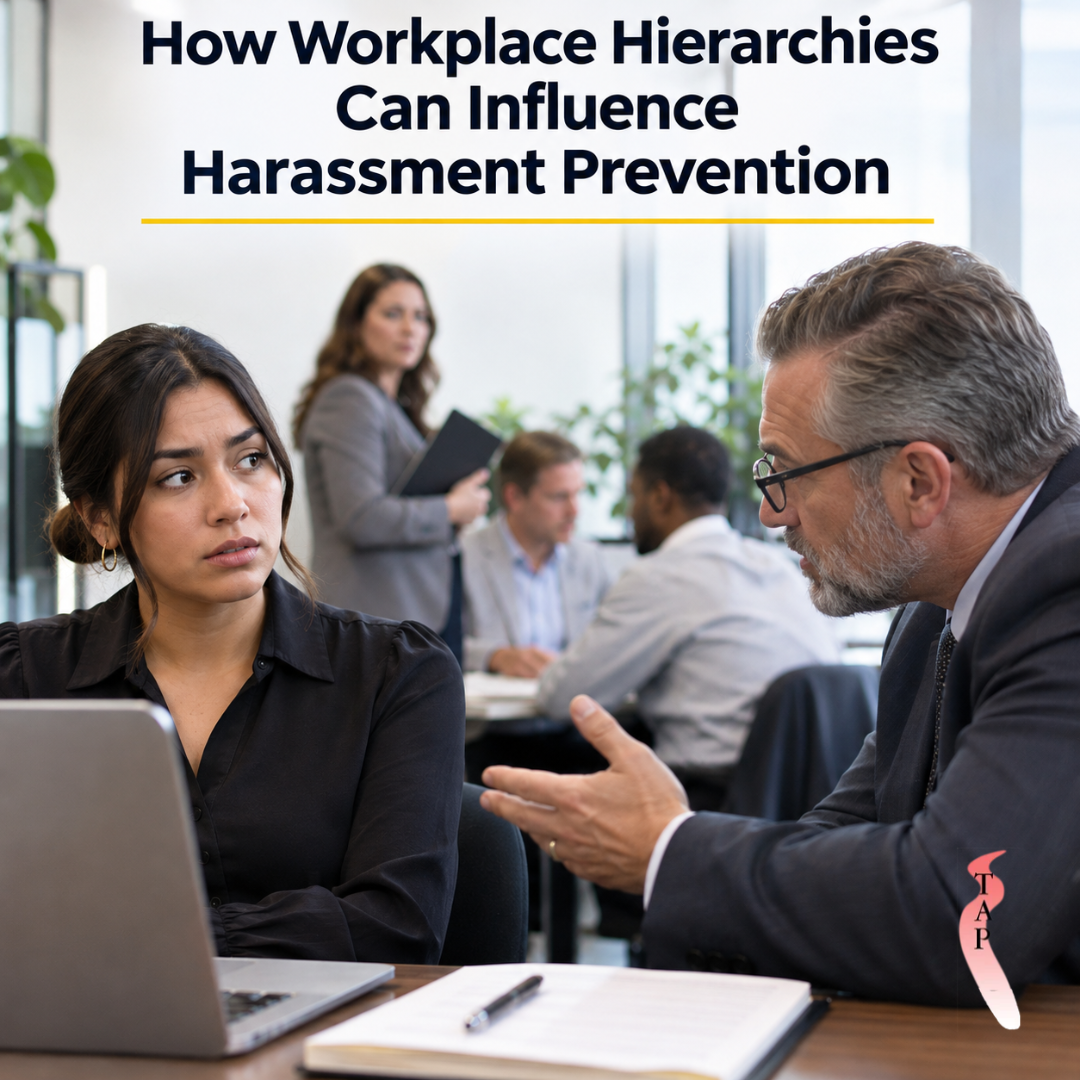
Workplace hierarchies establish responsibilities, reporting relationships, and decision-making authority. However, differences in organizational influence can also affect how employees experience inappropriate conduct and whether they feel comfortable raising concerns.
Sexual harassment prevention programs should consider both formal management structures and informal workplace relationships that may influence employee behavior, reporting decisions, and access to support.
Understanding Formal and Informal Workplace Hierarchies
Formal hierarchies typically involve established positions, management responsibilities, and reporting relationships.
Informal hierarchies may develop through seniority, professional connections, specialized expertise, or close relationships with organizational leaders.
Examples of workplace influence include:
- Managers who control employee schedules, assignments, and promotions.
- Long-serving employees with strong professional relationships.
- High-performing employees who receive preferential treatment.
- Colleagues who influence team decisions without holding management positions.
- Employees with greater access to senior leadership.
These differences do not necessarily indicate misconduct, but they may create challenges when employees experience or report harassment.
How Workplace Hierarchies Affect Harassment Reporting
Employees with limited organizational influence may hesitate to report inappropriate behavior involving individuals with greater authority or professional connections.
Common concerns include:
- Fear of losing advancement opportunities.
- Uncertainty about whether complaints will receive fair consideration.
- Concerns about retaliation or workplace exclusion.
- Limited access to HR personnel or senior decision-makers.
- Pressure to tolerate inappropriate behavior from influential colleagues.
Employers should recognize that reporting barriers can exist even when formal complaint procedures are available.
Recognizing the Influence of Informal Authority
Sexual harassment concerns do not always involve individuals holding official management positions.
An experienced employee, influential team member, or colleague with close connections to leadership may have considerable influence over workplace relationships.
Other employees may feel uncomfortable challenging inappropriate comments, unwanted attention, or behavior from these individuals.
Employers should ensure that professional conduct expectations apply consistently, regardless of formal authority, seniority, or informal influence.
Providing Equitable Access to Reporting Channels
Organizations should establish reporting procedures that remain accessible to employees at every level.
Important measures include:
- Multiple reporting options: Provide alternatives to reporting through immediate supervisors.
- Accessible procedures: Ensure employees across departments, locations, and shifts understand how to raise concerns.
- Impartial investigations: Identify potential conflicts of interest before assigning investigators.
- Consistent accountability: Apply workplace conduct standards regardless of position or influence.
- Anti-retaliation safeguards: Monitor for negative treatment following protected reporting activities.
Employees should not need personal connections with management to have their concerns reviewed appropriately.
Legal Background
Title VII of the Civil Rights Act of 1964 prohibits covered employers from engaging in unlawful sex discrimination, including sexual harassment that meets applicable legal standards.
An individual's workplace authority and the circumstances surrounding the alleged conduct may affect an employer's potential liability.
Federal law also prohibits retaliation against employees for engaging in legally protected reporting or investigation activities.
State and local laws may provide additional protections or impose specific employer obligations.
The Importance of Sexual Harassment Training
Sexual harassment prevention training can help employees recognize how workplace hierarchies and informal influence may affect professional boundaries and reporting decisions.
Sexual Harassment Training | TAP Series®
Training should address:
- Employee awareness: Recognizing inappropriate conduct regardless of organizational position.
- Reporting procedures: Understanding available reporting alternatives.
- Supervisor responsibilities: Identifying reporting barriers and escalating concerns appropriately.
- Workplace respect: Maintaining professional boundaries across all organizational levels.
- Prevention strategies: Reinforcing consistent accountability and safeguards against retaliation.
Training should complement accessible reporting channels, impartial investigations, and clear workplace policies.
Key Takeaways for Employers
Employers can address hierarchy-related harassment risks by:
- Evaluating formal and informal workplace authority.
- Identifying barriers to reporting across organizational levels.
- Providing reporting alternatives outside traditional management structures.
- Ensuring employees have equitable access to complaint procedures.
- Applying workplace conduct standards consistently.
- Monitoring for potential retaliation and preferential treatment.
Broader Implications for Employers
Organizational structures can influence how employees perceive fairness, accountability, and workplace expectations.
Employers should periodically assess whether their reporting procedures remain accessible to individuals with limited authority or professional influence.
Prevention efforts should consider actual workplace relationships rather than relying solely on organizational charts and formal reporting structures.
Conclusion
Workplace hierarchies can influence employee experiences, professional relationships, and willingness to report inappropriate conduct.
By recognizing informal authority, providing accessible reporting alternatives, and reinforcing consistent accountability, employers can address organizational barriers that may undermine harassment prevention efforts.
A respectful workplace culture should extend across every level of the organization.