Home Security Inspection Checklist
How to Evaluate a Property's Security Features Before Buying
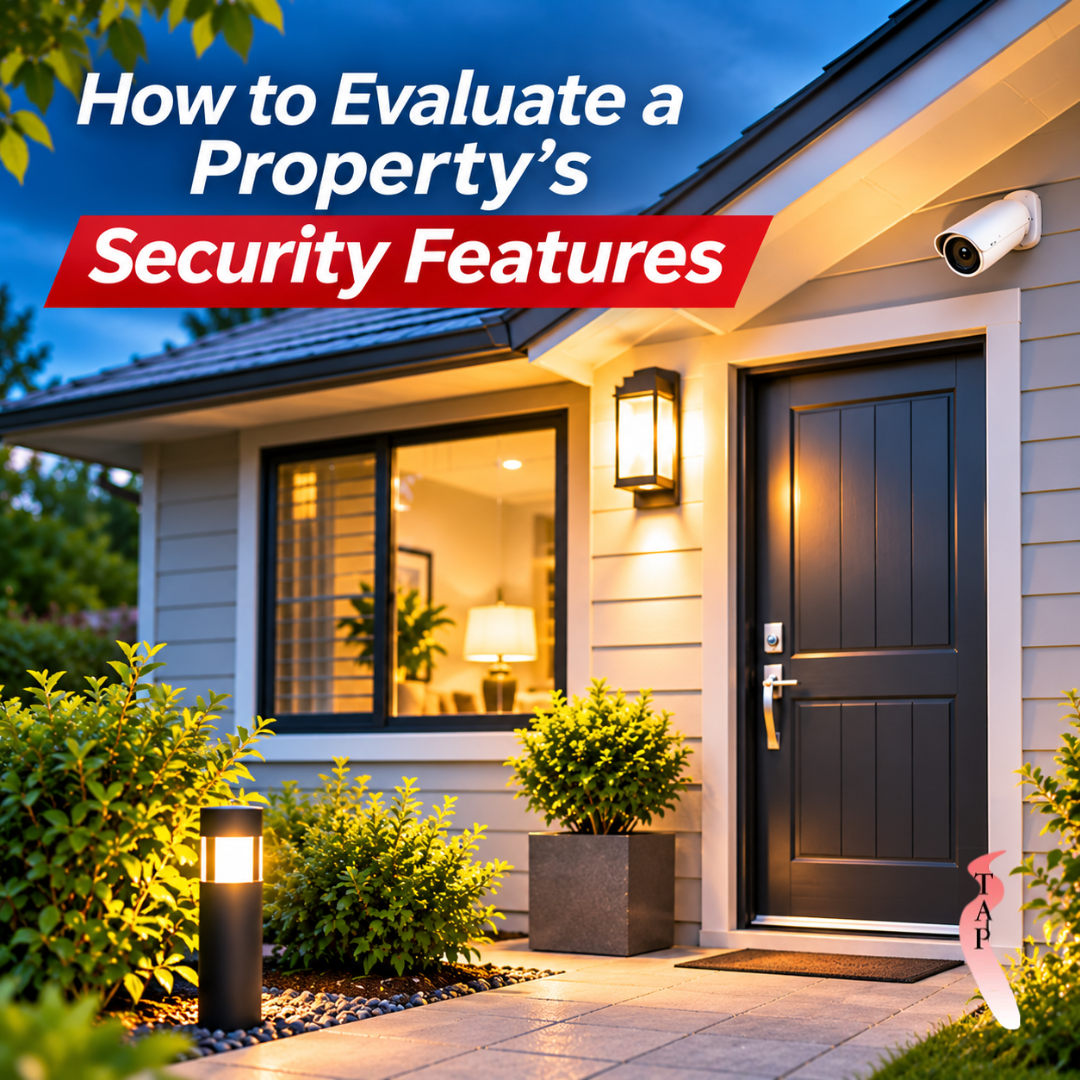
When purchasing a home, buyers often focus on location, affordability, layout, and structural condition. However, a property's existing security features can also influence everyday convenience, privacy, and future maintenance responsibilities.
Property security features include doors, locks, windows, exterior lighting, access points, and optional electronic security systems. Their effectiveness depends on installation quality, physical condition, maintenance, and how residents use them.
Understanding these features can help prospective homeowners identify potential improvements and evaluate whether a property meets their household's practical security needs.
Examine Exterior Doors and Door Frames
Exterior doors are among the most important access points in a residential property. Their condition, construction, and installation can influence how effectively they restrict unauthorized entry.
Common exterior door materials include solid wood, steel, and fiberglass. Each material has different durability and maintenance characteristics.
During a property viewing, buyers can examine:
- Visible damage, deterioration, or warping.
- The condition of door frames and hinges.
- Whether doors close and latch properly.
- The condition of sliding glass and patio doors.
- Signs of previous repairs or modifications.
A sturdy door may offer limited protection if its surrounding frame or locking mechanism is damaged. Buyers should evaluate the complete door assembly rather than focusing on its material alone.
Review Locks and Access Control Features
Residential properties may have traditional keyed locks, deadbolts, electronic locks, or smart access systems.
Traditional locks generally have straightforward maintenance requirements, while electronic systems may depend on batteries, software, or wireless connectivity.
Buyers should consider whether existing locks operate smoothly and whether all exterior entrances have appropriate locking mechanisms.
After purchasing a previously occupied property, homeowners may consider rekeying or replacing locks and updating electronic access credentials. Previous occupants, contractors, or service providers may have retained access.
For electronic systems, it is also important to understand whether ownership and administrative controls can be transferred to new residents.
Assess Window Security
Windows provide natural light, ventilation, and emergency escape opportunities. However, their accessibility and physical condition are also relevant to property security.
Ground-floor windows, basement windows, and windows near accessible outdoor structures may deserve particular attention.
Buyers can observe whether window locks function properly, frames appear sound, and glass panels show visible damage.
Some properties may have additional features such as reinforced glazing, security screens, or window opening restrictors.
These features have different purposes and limitations. Security improvements should not interfere with required emergency escape openings or applicable fire safety provisions.
Evaluate Exterior Lighting
Exterior lighting can improve visibility around entrances, pathways, driveways, and outdoor spaces after dark.
Common residential lighting arrangements include fixed exterior lights, motion-activated fixtures, and automated lighting systems.
Buyers should consider whether lighting provides adequate visibility around frequently used entrances and areas where residents regularly walk or park.
The condition and placement of fixtures are also important. Poorly positioned lighting may create glare, uneven illumination, or inconvenience for neighboring properties.
Visiting the property after sunset can provide a clearer understanding of its existing nighttime conditions.
Consider Visibility and Landscaping
The relationship between a home's layout and surrounding landscaping can influence visibility around the property.
Trees, shrubs, fences, and decorative structures may provide privacy while also affecting sightlines.
Dense vegetation near entrances or windows can limit visibility from inside the home. Similarly, tall fences may reduce the ability to observe surrounding outdoor areas.
Buyers should consider how landscaping affects both privacy and visibility.
A property does not necessarily require extensive landscaping changes. Routine vegetation maintenance and thoughtful lighting placement may help improve visibility while preserving the home's outdoor character.
Identify Additional Property Access Points
Residential properties often have several access points beyond the main entrance.
These may include attached garages, side gates, basement entrances, rear doors, detached storage buildings, and shared access areas.
Buyers should examine the condition and functionality of these features, particularly when they connect directly to indoor living spaces.
For properties with shared entrances or communal areas, access arrangements may depend on building management procedures or documented property agreements.
Understanding how different access points are managed can help buyers assess everyday convenience and maintenance responsibilities.
Review Optional Home Security Systems
Some homes include electronic security equipment designed to monitor activity, detect entry, or notify residents of specific events.
Common systems include:
- Door and window sensors.
- Motion detectors and alarm systems.
- Video doorbells and security cameras.
- Smart locks and remote access controls.
- Professionally monitored security services.
These systems may provide additional information about activity around a property, but they cannot prevent every security incident.
Buyers should consider equipment condition, internet connectivity, subscription fees, software support, and compatibility with other household devices.
Privacy is another consideration, particularly when cameras capture shared spaces or neighboring properties.
Existing systems may require account transfers, password changes, or configuration updates after ownership changes.
Understand Maintenance and Security Improvement Costs
Security features require ongoing maintenance, just like other residential components.
Locks may wear out, exterior lights may require replacement, and electronic equipment may become outdated or lose manufacturer support.
Potential expenses include replacement doors, window hardware, lighting improvements, battery replacements, equipment servicing, and monitoring subscriptions.
Buyers should distinguish between essential repairs and optional upgrades based on their household's circumstances.
For example, repairing a damaged exterior door frame may address a more immediate maintenance concern than installing additional electronic monitoring equipment.
Available installation records, warranties, and maintenance documentation can help clarify the condition and expected responsibilities associated with existing features.
Research the Surrounding Neighborhood
Property security should also be considered within the broader neighborhood environment.
Street lighting, pedestrian activity, road access, nearby properties, and community infrastructure can influence residents' everyday experiences.
Buyers may benefit from visiting the neighborhood during daylight and evening hours to observe differences in visibility and activity.
Publicly available local safety information may provide additional context, although historical incident records cannot predict future events or establish the security of an individual property.
Neighborhood characteristics should be evaluated alongside the property's physical features and household preferences.
Conclusion
Evaluating residential security involves more than checking whether a home has an alarm system or security cameras.
Doors, locks, windows, exterior lighting, landscaping, and access arrangements all deserve consideration when assessing a property's condition and functionality.
By reviewing existing equipment, identifying maintenance needs, and understanding the limitations of different home security measures, prospective buyers can make more informed decisions about future improvements and homeownership responsibilities.
This article is intended for general educational purposes only and does not constitute professional security, legal, property inspection, or financial advice. Security features cannot eliminate all risks, and applicable requirements vary by location.