Restaurant Workplace Compliance
Boss Man Tacos Settlement Highlights the Importance of Protecting Young Employees from Sexual Harassment
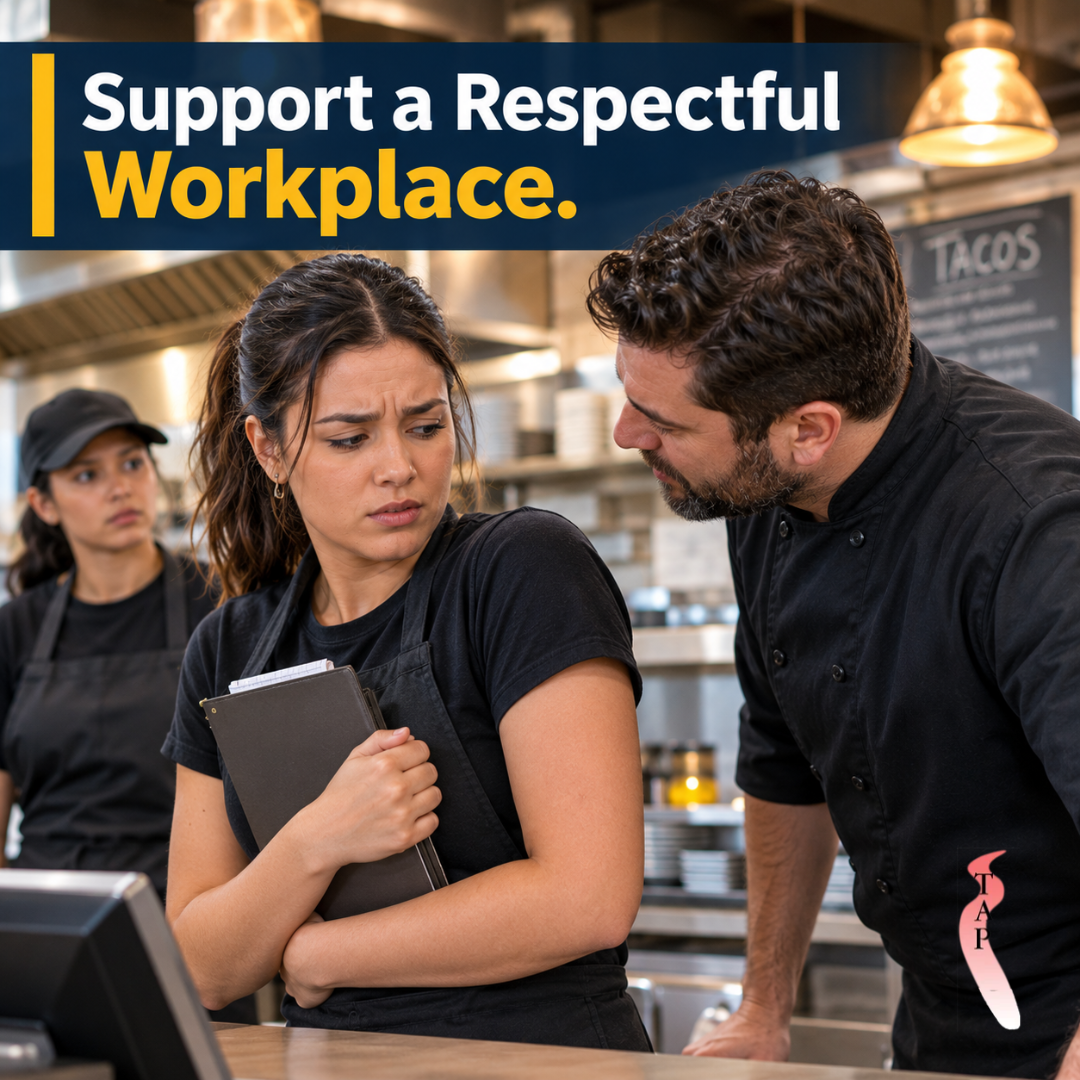
Sexual harassment prevention is especially important in the restaurant industry, where employees often work in close quarters, interact frequently, and may include teenagers or other young workers with limited workplace experience. Employers must establish clear conduct standards, provide accessible reporting procedures, and respond promptly when employees raise concerns.
The $42,000 settlement involving Bossman Tacos, LLC, highlights the importance of protecting employees from sexual harassment and ensuring that management takes complaints seriously. The U.S. Equal Employment Opportunity Commission (EEOC) alleged that female restaurant employees, including teenagers, experienced repeated inappropriate conduct from male kitchen staff while restaurant owners failed to take effective corrective action.
Background of the Case
Bossman Tacos, LLC operates Boss Man Tacos in Highland, Indiana. The EEOC filed a federal lawsuit alleging that the restaurant allowed its head chef and other male cooks to sexually harass female servers, some of whom were teenagers.
According to the EEOC, the alleged harassment continued in the workplace and affected multiple employees. Some workers eventually felt compelled to resign because of the conditions.
The case, EEOC v. Bossman Tacos, LLC, Case No. 2:25-cv-00316, was filed in the U.S. District Court for the Northern District of Indiana, Hammond Division, after the agency first attempted to resolve the matter through its administrative conciliation process.
The case highlights the responsibility of restaurant owners and managers to maintain professional working conditions, particularly when employing young workers.
Details of the Incident
According to the EEOC's allegations, the restaurant's head chef and other male cooks subjected female servers to repeated sexual harassment.
The lawsuit alleged that the conduct included:
- Trapping female employees in restrooms and walk-in refrigerators to make unwanted sexual advances.
- Touching employees' hips, backs, and buttocks without their consent.
- Making propositions for sexual activity.
- Making lewd and offensive sexual jokes and comments.
- Creating workplace conditions that caused some employees to feel compelled to resign.
The EEOC further alleged that the restaurant's owners knew about the cooks' conduct but failed to take appropriate corrective action.
The involvement of teenage employees raises additional concerns about workplace supervision and employee awareness. Young workers may be unfamiliar with their employment rights or uncertain about how to report inappropriate behaviour, particularly when the individuals involved hold positions of authority.
These allegations demonstrate why employers should not dismiss inappropriate conduct as joking, workplace banter, or ordinary restaurant culture. Employees should be able to perform their duties without unwanted sexual attention or pressure.
The lawsuit was resolved through a consent decree. The allegations should not be presented as findings that every incident was proven at trial.
Legal Background
Title VII of the Civil Rights Act of 1964 prohibits employment discrimination based on sex, including sexual harassment that creates an unlawful hostile work environment. It also establishes protections against retaliation for employees who engage in protected activities, such as reporting suspected discrimination.
Employers have responsibilities to address harassment involving supervisors and coworkers. Depending on the circumstances, an employer may face liability when it knew or should have known about harassment by coworkers or other non-supervisory employees and failed to take appropriate corrective action.
The Boss Man Tacos case also highlights the importance of protecting young employees. Although Title VII applies to covered employees regardless of age, younger workers may need additional guidance to understand workplace expectations and available reporting options.
Employers should make sure that employees know how to report inappropriate conduct, who can receive complaints, and what steps the organisation takes after receiving a report.
Settlement Status and Relief Sought
Bossman Tacos, LLC agreed to pay $42,000 and implement additional workplace reforms to resolve the EEOC's lawsuit.
The monetary relief will be distributed to two charging parties and two additional class members.
Under the consent decree, the restaurant must also:
- Provide mandatory sexual harassment training to owners, managers, and employees.
- Revise its sexual harassment policy.
- Conduct anonymous employee surveys concerning workplace sexual harassment.
- Report compliance with the agreement to the EEOC.
The required anonymous surveys are particularly relevant because they provide another way to identify employee concerns and assess whether workplace policies are functioning as intended.
These measures are intended to improve employee awareness, strengthen reporting procedures, and establish greater accountability for preventing harassment.
Key Takeaways from the Case
The Boss Man Tacos settlement offers several important lessons for restaurant owners and employers across industries.
- Protect young workers. Teen employees should receive clear information about workplace expectations, their rights, and how to report inappropriate conduct.
- Take every complaint seriously. Reports of unwanted touching, sexual comments, or inappropriate advances should receive prompt attention.
- Establish clear workplace boundaries. Employees should understand that unwanted physical contact and sexual remarks are not acceptable workplace behaviour.
- Hold managers accountable. Owners, chefs, supervisors, and other leaders must understand their responsibility to address harassment.
- Provide accessible reporting channels. Employees should have options for reporting concerns, including when the person involved is their direct supervisor.
- Monitor workplace conditions. Employee feedback and anonymous surveys can help identify concerns that may not be raised through formal complaint procedures.
- Prevent retaliation. Employees should not experience adverse treatment for reporting suspected harassment or participating in an investigation.
Broader Implications for Employers
The Boss Man Tacos case highlights challenges that can arise in restaurants and other customer-facing businesses. Employees often work in confined spaces, coordinate closely during busy shifts, and depend on supervisors for scheduling, assignments, and continued employment.
These conditions can make it difficult for workers to report misconduct, particularly when the alleged harasser is a chef, manager, or another influential employee.
Employers should consider the following practices:
- Establish written anti-harassment and anti-retaliation policies that apply to owners, managers, kitchen staff, servers, and other employees.
- Explain workplace conduct expectations during onboarding, including for teenage and first-time workers.
- Provide reporting channels outside the employee's immediate supervisory structure.
- Train managers to recognise inappropriate behaviour and escalate complaints appropriately.
- Document reports, investigations, and corrective actions.
- Review employee feedback and complaint patterns to identify recurring problems.
- Ensure employees understand that reporting harassment should not result in retaliation.
- Review workplace practices involving young employees to ensure adequate supervision and accessible support.
Restaurant owners should also ensure that employees can report concerns without having to confront the person accused of harassment. A reporting process should provide a reasonable alternative when the complaint involves a supervisor or senior employee.
The Importance of Sexual Harassment Training
Sexual harassment training helps employees recognise inappropriate conduct, understand their workplace rights, and learn how to report concerns. It also helps supervisors and business owners understand their responsibilities for preventing and addressing harassment.
Sexual Harassment Training | TAP Series®
Effective training should address five important areas:
- Employee awareness: Explain what sexual harassment can look like, including unwanted touching, sexual propositions, inappropriate comments, and conduct that may create a hostile work environment.
- Reporting procedures: Ensure employees understand how to report concerns, who can receive complaints, and how to access alternative reporting channels.
- Supervisor responsibilities: Train managers, chefs, and shift leaders to recognise potential harassment, respond appropriately to complaints, and escalate concerns for investigation.
- Workplace respect: Reinforce professional boundaries, respectful communication, and appropriate interactions between coworkers.
- Prevention strategies: Explain anti-retaliation protections, consistent policy enforcement, and the importance of taking corrective action when misconduct is identified.
Training should be accessible to all employees, including teenagers and workers with limited employment experience. Examples should reflect realistic restaurant situations, such as interactions in kitchens, storage areas, restrooms, and shared workspaces.
Owners and managers should receive additional guidance on receiving complaints, documenting concerns, and ensuring that reports are handled appropriately.
Training should be supported by clear policies, accessible reporting channels, and consistent corrective action. It is one component of a broader workplace prevention programme, not a substitute for effective management and complaint handling.
Conclusion
The Boss Man Tacos settlement highlights the importance of protecting employees from sexual harassment, particularly young workers who may have limited experience navigating workplace concerns. According to the EEOC's allegations, female servers experienced repeated inappropriate conduct while restaurant owners failed to take effective corrective action.
For restaurant employers, the case reinforces the need for clear workplace standards, accessible reporting procedures, and accountable management. Consistent training, employee feedback, and appropriate responses to complaints can help organisations strengthen workplace respect and improve their harassment prevention practices.