Professional Workplace Conduct
Common Misconceptions About Sexual Harassment in the Workplace
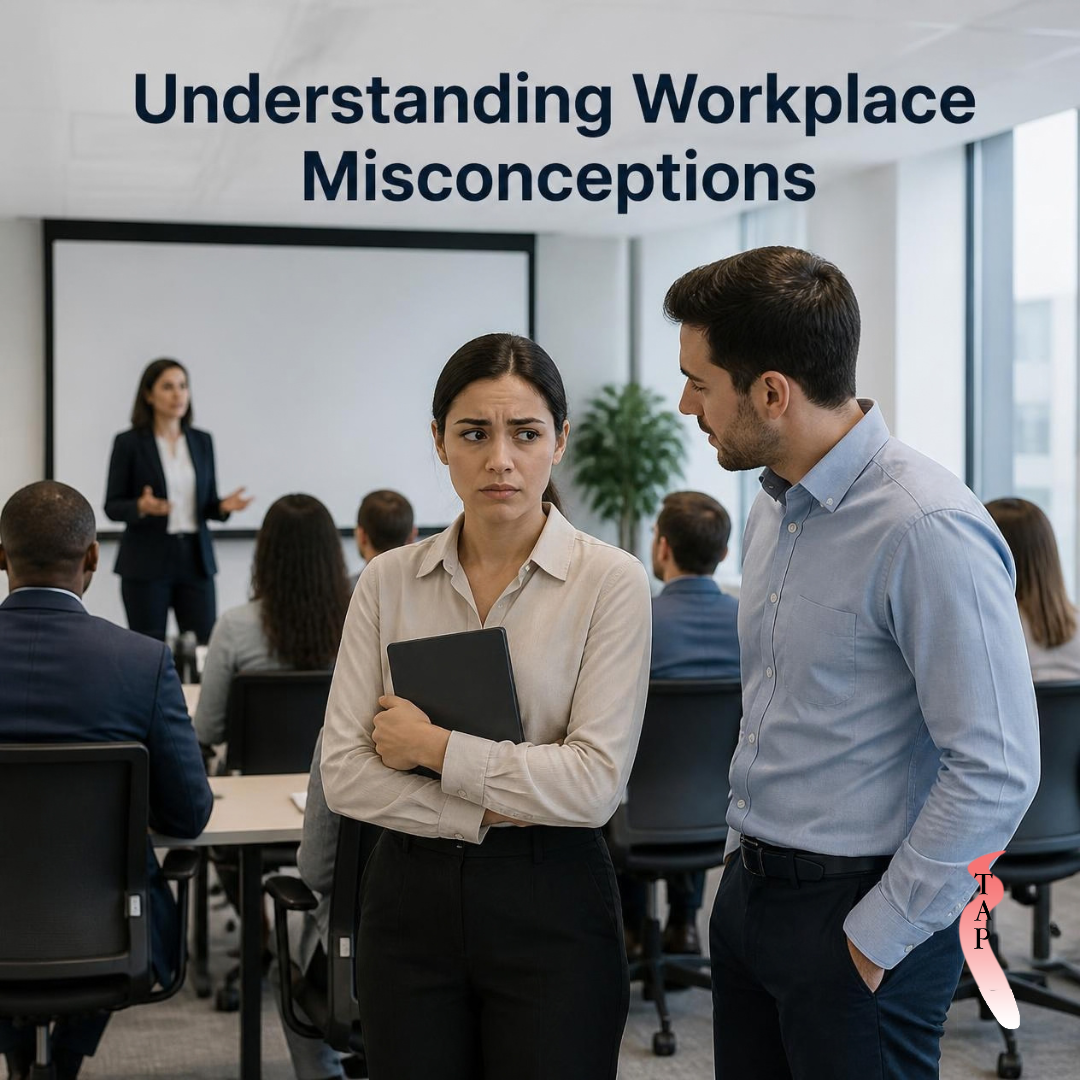
Sexual harassment prevention depends partly on employees understanding what workplace conduct policies mean and when concerns should be raised. Misconceptions about harassment can create confusion and may prevent employees or supervisors from responding appropriately to workplace concerns.
Education can help employees distinguish common assumptions from practical workplace expectations.
“It Is Only Harassment If Someone Complains”
An employee does not have to wait for a formal complaint before a workplace concern deserves attention.
Employees may be uncomfortable raising concerns for many reasons, including uncertainty about reporting procedures, concerns about workplace relationships, or fear of negative consequences. Supervisors and employers should not assume that the absence of a complaint means there are no workplace concerns.
Employers should have clear procedures for addressing concerns when they become aware of potentially inappropriate conduct.
“Jokes Do Not Count”
Humor does not automatically make workplace conduct appropriate.
Comments, jokes, teasing, memes, or conversations can create concerns when they involve sexual content, target an individual, or conflict with workplace conduct policies.
The fact that someone intended a comment as a joke does not necessarily mean the comment will be experienced the same way by others. Employees should consider workplace expectations and how their conduct may affect coworkers.
“It Is Only a Problem If There Is Physical Contact”
Workplace concerns are not limited to physical behavior.
Depending on the circumstances, inappropriate comments, messages, images, gestures, requests, or other conduct may raise concerns under workplace policies or applicable law.
Employees should understand that professional conduct includes both physical interactions and verbal or digital communication.
“If Someone Does Not Object, Everything Is Fine”
Silence should not automatically be interpreted as agreement or acceptance.
People respond differently to uncomfortable situations. Someone may not immediately object, particularly when there is a power difference or concern about workplace consequences.
Employees should respect professional boundaries rather than relying on the absence of an objection as permission for inappropriate conduct.
“Training Is Only Necessary After an Incident”
Training can be part of prevention rather than something introduced only after a workplace concern occurs.
Regular education can help employees understand workplace policies, professional boundaries, reporting procedures, and their responsibilities before a situation arises.
Training can also provide supervisors with guidance on responding appropriately when employees raise concerns.
“Only Supervisors Need to Understand the Rules”
Supervisors have important responsibilities, but workplace expectations apply to employees throughout the organization.
Employees should understand:
- What workplace policies prohibit
- What professional conduct looks like
- How to report concerns
- Where to seek guidance
- Their responsibilities toward coworkers
- Expectations regarding retaliation
A shared understanding can make workplace policies more practical and accessible.
“There Is Nothing Employees Can Do If They Are Unsure”
Employees do not necessarily need to determine whether conduct legally qualifies as sexual harassment before seeking guidance.
When employees are uncertain about workplace behavior or policies, they can review applicable workplace procedures or speak with an appropriate supervisor, HR representative, or designated contact.
Reporting or seeking guidance can allow the organization to address concerns through its established procedures.
The Importance of Sexual Harassment Training
Sexual Harassment Training | TAP Series® can help employees and supervisors address common misconceptions through practical workplace education.
Training can reinforce:
- Employee awareness: Helping employees recognize inappropriate conduct and understand workplace expectations.
- Reporting procedures: Explaining where and how employees can raise concerns.
- Supervisor responsibilities: Helping managers understand how to respond when concerns come to their attention.
- Workplace respect: Reinforcing appropriate communication and professional boundaries.
- Prevention strategies: Helping employees understand that education and awareness are ongoing workplace responsibilities.
Key Takeaways for Employers
Employers can address common misconceptions by:
- Providing clear explanations of workplace conduct policies.
- Using practical examples during training.
- Explaining that concerns can involve verbal, physical, or digital conduct.
- Making reporting procedures easy to understand.
- Training supervisors on how to respond to concerns.
- Reinforcing anti-retaliation expectations.
- Providing recurring education rather than relying solely on one-time training.
Broader Implications for Employers
Misunderstandings about sexual harassment can affect how employees recognize and respond to workplace concerns. Clear education gives employees more practical information about professional conduct, reporting procedures, and their responsibilities.
Employers can reinforce this understanding through onboarding, recurring training, supervisor education, policy communication, and consistent workplace practices.
Conclusion
Common misconceptions can make it harder for employees to understand workplace expectations and recognize when they should seek guidance. Education can help employees move beyond assumptions such as believing harassment requires a complaint, that jokes cannot create concerns, or that training is only necessary after an incident.
Clear policies, practical training, accessible reporting procedures, and informed supervisors can help employees better understand their responsibilities and support a respectful workplace environment.