Workplace Discrimination Lawsuit
EEOC Files Multiple Sexual Harassment Lawsuits Against Employers for Failing to Protect Workers
Background
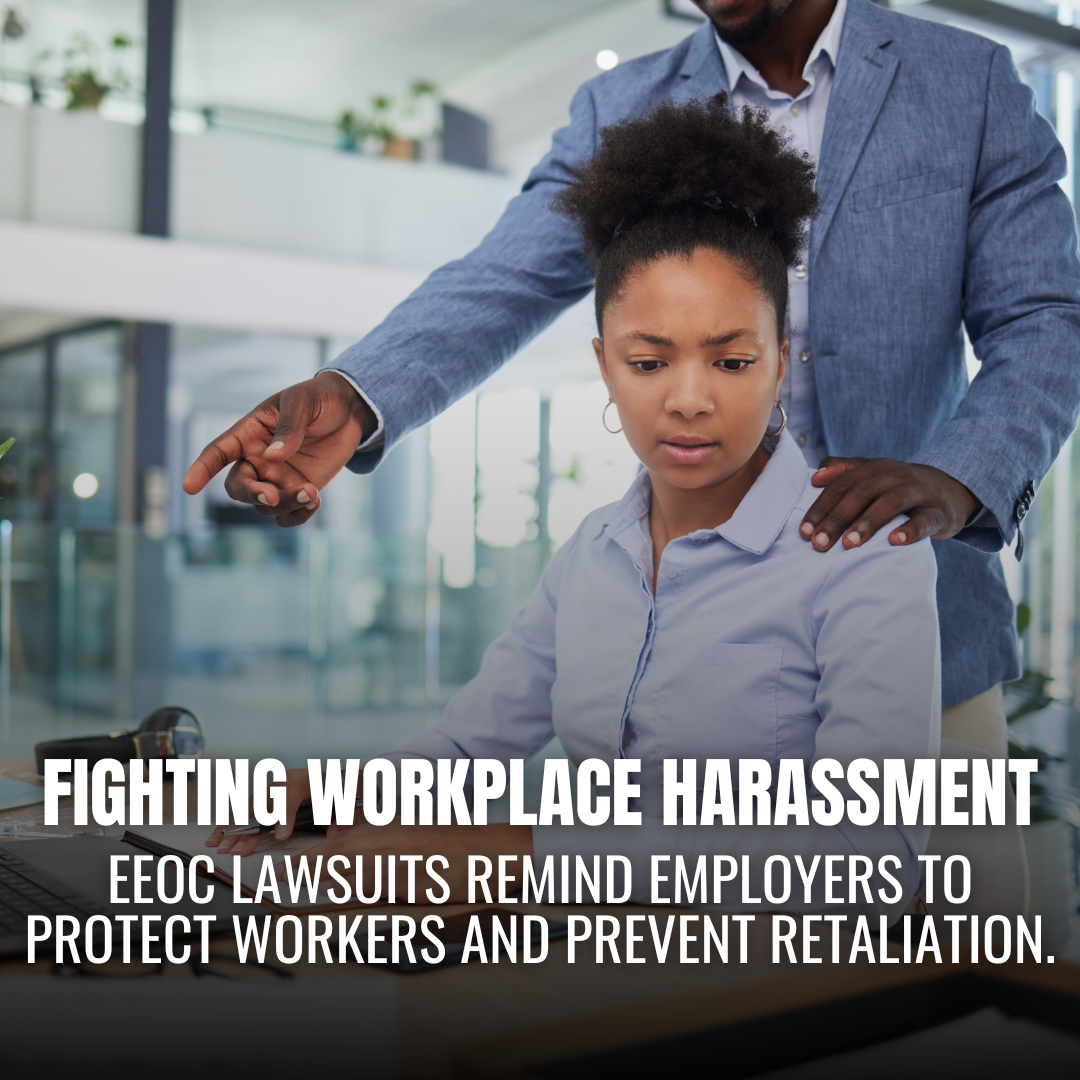
The U.S. Equal Employment Opportunity Commission (EEOC) has filed three separate lawsuits against employers in Kansas and Oklahoma for allegedly allowing sexual harassment and retaliating against workers who reported it. These actions, filed under Title VII of the Civil Rights Act of 1964, highlight ongoing failures by some businesses to safeguard employees—particularly women and young workers—from sexual misconduct in the workplace.
Incident Details
Genesh, Inc. (Burger King Franchisee)
The EEOC alleged that supervisors at Burger King restaurants in Lawrence and Derby, Kansas, subjected multiple female employees, including teenagers, to sexual harassment. The misconduct included explicit sexual remarks, inappropriate physical contact, and, in one instance, forced sexual intercourse. Despite being aware of the situation, corporate management allegedly failed to intervene or investigate. One employee who reported the abuse was removed from the work schedule and was not allowed to return for months, while the alleged harasser continued working.
Sofidel America Corp.
At Sofidel’s paper mill in Inola, Oklahoma, the EEOC charged that a female employee faced retaliation after reporting harassment by a male coworker. The coworker allegedly made lewd comments, used sexual innuendos, and attempted to kiss her without consent. When the victim sought a protective order, the company terminated her employment instead of taking steps to ensure her safety.
Sunrooms and More Design Center, Inc.
The third lawsuit involved an Oklahoma-based home improvement company where one of the owners allegedly harassed female employees daily. The owner reportedly made explicit sexual remarks and touched employees without permission. Complaints to another owner went unanswered, and one woman who spoke up had her bonuses withheld, forcing her to resign.
Legal Background
Under Title VII of the Civil Rights Act of 1964, it is unlawful for employers to discriminate based on sex, race, color, religion, or national origin. This includes sexual harassment, which encompasses unwelcome sexual advances, verbal or physical harassment of a sexual nature, and hostile work environments. The law also protects employees from retaliation when they report harassment or participate in related investigations.
Before filing these lawsuits, the EEOC sought to resolve the matters through its conciliation process, a standard step designed to encourage employers to settle disputes before litigation.
Relief and Settlement
The EEOC is seeking monetary damages, back pay, and compensatory relief for the affected employees, along with injunctive relief requiring the companies to implement stronger anti-harassment policies, conduct training, and establish procedures for reporting misconduct. These actions aim to prevent future violations and hold employers accountable for maintaining hostile workplaces.
Key Takeaways
- Employer accountability is critical. Businesses can face severe legal and financial consequences when they ignore or enable harassment.
- Retaliation is also unlawful. Employees have the right to report misconduct without fear of losing their jobs or facing punishment.
- Preventive action matters. Training, clear reporting mechanisms, and management oversight can significantly reduce harassment risks.
Conclusion
The EEOC’s lawsuits against Genesh, Sofidel America, and Sunrooms and More Design Center underscore a recurring problem across industries: workplace sexual harassment remains a pressing issue, especially in environments where young or vulnerable employees work. These cases highlight the importance of employer vigilance and proactive prevention efforts to ensure safe, respectful workplaces for all employees.
Recommendation: Prevent Harassment with TAP Series Training
Incidents like these serve as a reminder that prevention begins with education. The TAP Series Sexual Harassment Training provides a comprehensive, accessible solution for organizations aiming to build safer work environments.
TAP Series is a leader in online compliance training, trusted by businesses nationwide to promote workplace safety and compliance. The training equips managers and employees with the knowledge to recognize, prevent, and respond appropriately to harassment—helping organizations meet legal obligations while fostering respect and accountability.
We understand that you’re busy, which is why TAP Series simplifies compliance through engaging, time-efficient online courses designed for real-world workplaces. Protect your team and your company by making sexual harassment prevention a top priority.