Home Foundation Inspection Checklist
How to Evaluate a Home's Foundation Before Buying
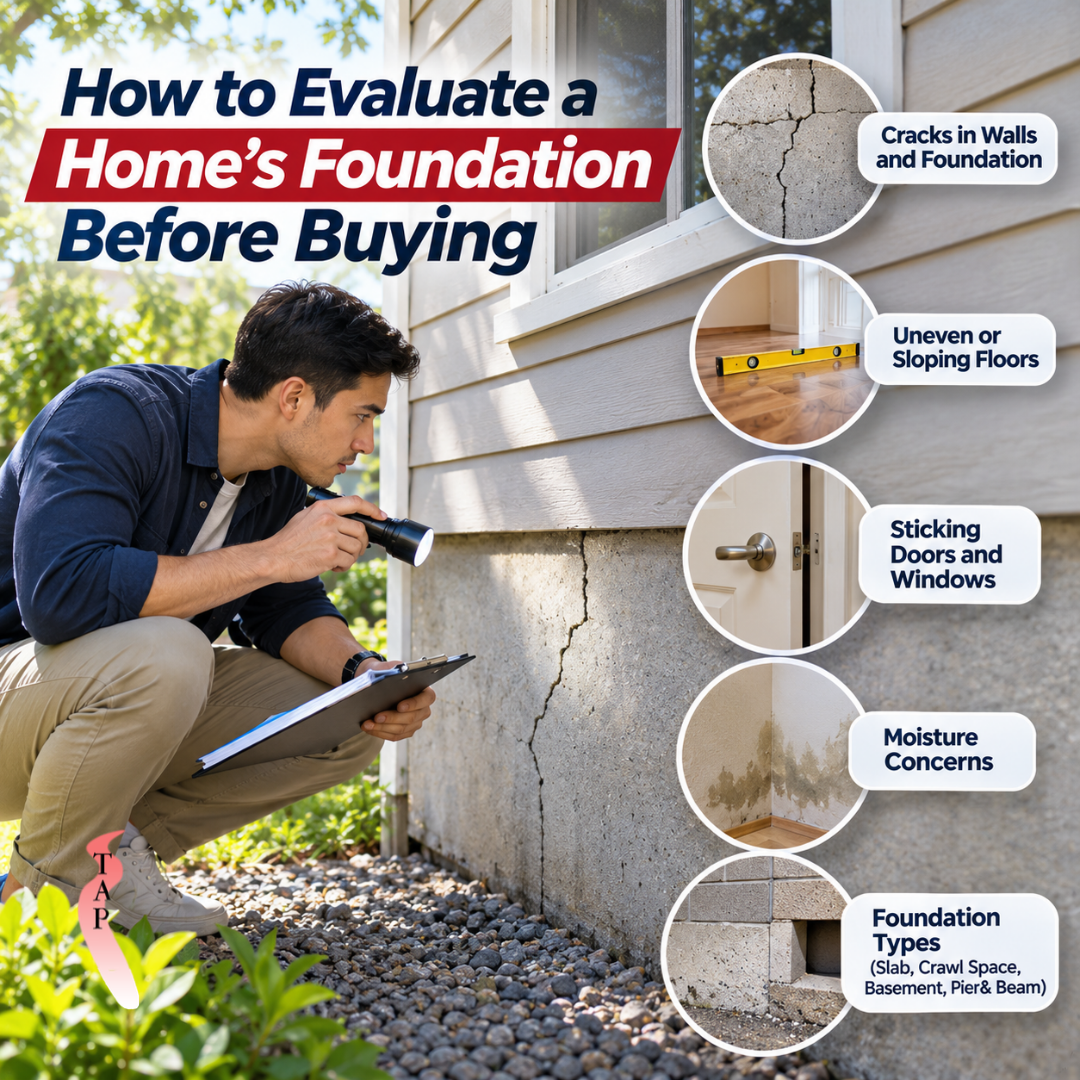
A home's foundation is one of its most important structural components. It supports the building, helps distribute its weight, and contributes to overall stability. Although much of the foundation may be hidden beneath the property, its condition can influence the safety, maintenance needs, and long-term suitability of a home.
For prospective buyers, understanding how to evaluate a home's foundation before buying can help identify visible warning signs and determine when further investigation may be necessary. Buyers do not need extensive construction knowledge to recognise potential concerns, but they should understand the limitations of a visual assessment.
Understand the Common Types of Home Foundations
Different homes use different foundation systems depending on their design, soil conditions, climate, and construction methods.
Concrete slab foundations consist of a concrete base that supports the building. They are common in many residential properties and may have limited access to plumbing or other components beneath the slab.
Crawl space foundations raise the main floor above the ground, creating a space beneath the house. This area may provide access to plumbing and structural components but can also be affected by moisture or inadequate ventilation.
Basement foundations create an enclosed space below the main living area. Basement walls and floors can be exposed to groundwater, drainage problems, and soil pressure.
Pier and beam foundations use supporting posts or piers beneath structural beams. Their condition depends on the stability of the supports, connections, and surrounding soil.
No foundation type is automatically better for every property. The important consideration is whether the system is appropriate for the location and remains in suitable condition.
Look for Cracks in Walls and Foundations
Cracks are among the most noticeable signs buyers may encounter during a property viewing.
Small surface cracks can develop as materials age, dry, or respond to temperature changes. These do not necessarily indicate a serious structural problem.
However, wider cracks, diagonal cracks near windows and doors, stair-step cracks in masonry, or cracks that appear to be expanding may deserve closer attention.
Buyers should observe where cracks appear, their approximate size, and whether similar damage is visible elsewhere.
Cracks accompanied by uneven floors, distorted openings, or signs of movement may indicate the need for professional assessment.
It is important not to judge structural safety based on crack appearance alone. A qualified professional can help determine whether the damage is cosmetic or related to foundation movement.
Check for Uneven or Sloping Floors
Floors should generally feel stable and suitable for normal use. Noticeable slopes, dips, or uneven areas may raise questions about the foundation or supporting floor structure.
During a viewing, walk through different rooms and pay attention to changes in floor level. Look for gaps between flooring and skirting boards, cracked tiles, or areas that feel unusually soft.
Uneven floors can result from several causes, including ageing materials, installation issues, moisture damage, or movement in structural supports.
A slight slope does not automatically mean that a foundation is failing. Some older homes have minor irregularities that developed over time.
However, significant changes or unevenness affecting several rooms may justify a closer inspection.
Pay Attention to Sticking Doors and Windows
Doors and windows can provide useful clues about changes in a building's structure.
When a foundation moves, door and window frames may become misaligned. This can cause doors to stick, windows to become difficult to open, or gaps to develop around frames.
During a property viewing, check whether accessible doors and windows open, close, and latch properly.
Look for uneven gaps, distorted frames, or cracks extending from the corners of openings.
Keep in mind that sticking doors and windows can also result from humidity, paint buildup, worn hardware, or poor installation.
These symptoms are most useful when considered alongside other observations rather than treated as proof of foundation damage.
Investigate Moisture and Drainage Concerns
Water can affect foundations and the soil supporting them. Poor drainage, plumbing leaks, groundwater, and prolonged moisture exposure may contribute to deterioration or ground movement.
Buyers should look for signs of water collecting near exterior walls, damaged gutters, blocked downpipes, and soil that slopes toward the building.
Inside the property, check accessible basement or crawl space areas for dampness, water stains, musty odours, or visible mould-like growth.
Persistent moisture may damage materials and contribute to conditions that require further investigation.
Drainage is particularly important because water management around the property can influence how the foundation performs over time.
Buyers should also research local flooding patterns, soil conditions, and seasonal rainfall where relevant.
Consider the Property's Age and Repair History
The age of a home can provide context about its foundation, but it does not determine whether the structure is in good condition.
Older properties may have experienced natural settlement, previous repairs, or changes in surrounding ground conditions. Newer homes can also develop problems due to unsuitable soil preparation, drainage issues, or construction defects.
Ask whether foundation repairs, structural alterations, or significant drainage improvements have been completed.
Available records may include inspection reports, engineering assessments, repair invoices, warranties, or documentation of previous structural work.
A repaired foundation is not necessarily a reason to reject a property. However, buyers should understand what problem was identified, how it was addressed, and whether any ongoing monitoring or maintenance is recommended.
Know When a Professional Assessment Is Necessary
A standard property viewing cannot reveal every foundation problem. Much of the structure may be concealed beneath floors, behind walls, or below ground level.
A general home inspection can help identify visible concerns, but certain findings may require assessment by a qualified structural engineer or another appropriate specialist.
Further investigation may be useful when a property has significant cracking, noticeable floor movement, recurring moisture problems, or a documented history of foundation repairs.
A specialist may examine structural movement, drainage conditions, soil-related concerns, and available repair records to determine whether additional work is necessary.
Professional assessments can also help distinguish between cosmetic defects and problems that affect structural performance.
Buyers should understand that even a detailed inspection may have limitations when concealed components cannot be accessed.
Create a Simple Foundation Viewing Checklist
A practical checklist can help buyers organise observations during property visits.
- Exterior: Look for visible foundation cracks, wall movement, and drainage problems.
- Interior walls: Check for unusual cracks around doors, windows, and corners.
- Floors: Notice significant slopes, dips, or uneven surfaces.
- Doors and windows: Check for sticking, misalignment, or unusual gaps.
- Moisture: Look for water stains, dampness, and persistent musty odours.
- Documentation: Review available foundation repair and inspection records.
Record concerns with photographs where permitted, and avoid assuming that visible symptoms confirm a particular structural defect.
Making an Informed Foundation Assessment
Evaluating a home's foundation involves looking at several connected factors rather than focusing on one visible issue.
Cracks, uneven floors, sticking doors, and moisture concerns may have different causes, and their significance depends on the property's construction, condition, and environment.
For buyers, the goal is to recognise potential warning signs, review available documentation, and understand when professional assessment may be appropriate.
By considering the foundation alongside drainage, maintenance history, and the condition of the wider building, buyers can develop a clearer understanding of the property's structural condition before making a purchasing decision.
This article is for general educational purposes only and is not a substitute for professional structural inspection, engineering, legal, or financial advice.