Sexual Harassment Prevention Training
A.W. Farrell & Son $270,000 Settlement Highlights Harassment Prevention
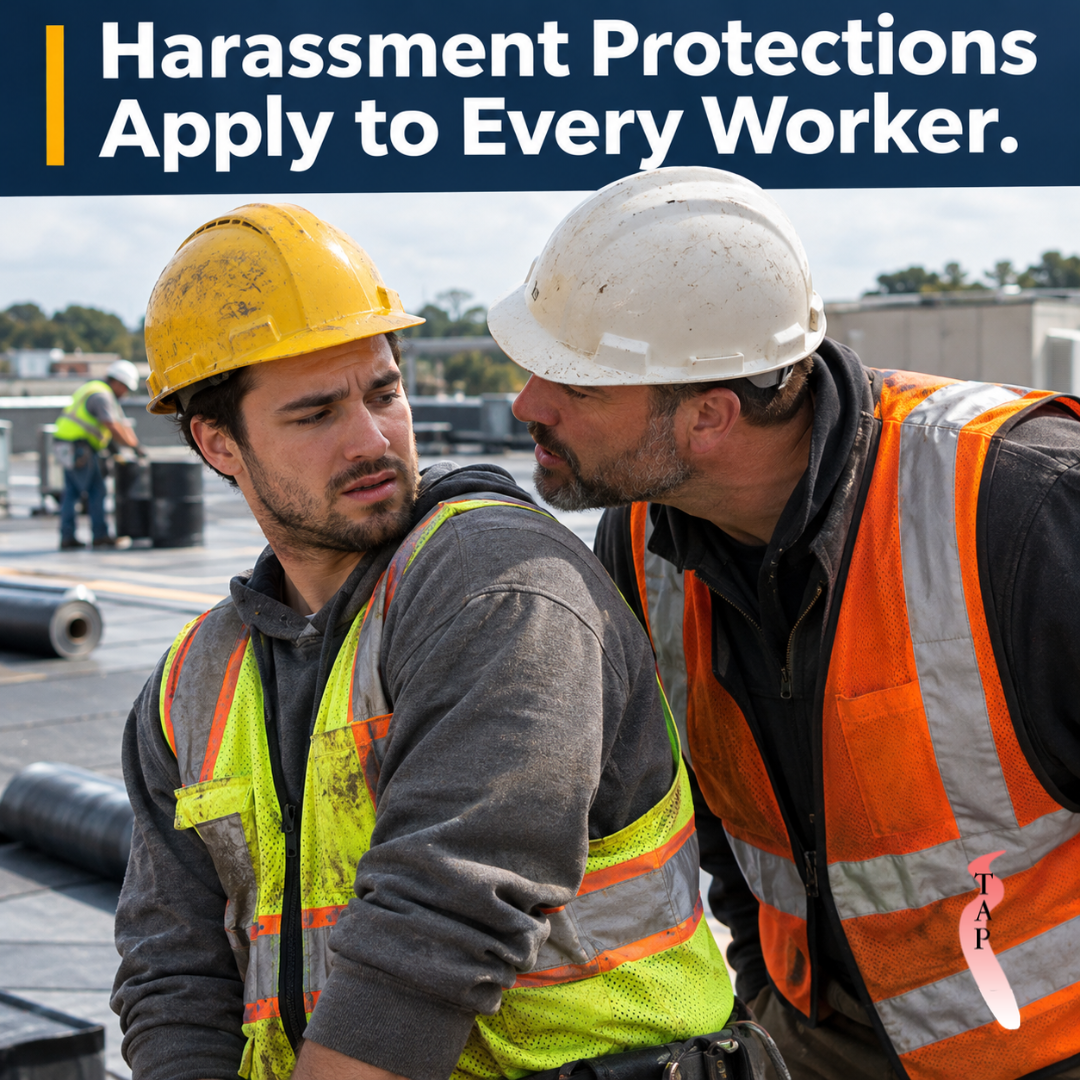
Sexual harassment prevention is an important responsibility for employers across all industries, including construction and commercial roofing. Employers must ensure that workers can perform their duties without experiencing unwelcome sexual conduct, inappropriate physical contact, or retaliation for reporting concerns.
The $270,000 settlement involving A.W. Farrell & Son, Inc., highlights the importance of responding appropriately to sexual harassment complaints, regardless of an employee's gender. The U.S. Equal Employment Opportunity Commission (EEOC) alleged that a male roofer experienced repeated sexual harassment by his supervisor and eventually resigned after the company failed to address his complaints effectively.
Background of the Case
A.W. Farrell & Son, Inc., is a commercial roofing company operating in New York and Pennsylvania. The EEOC filed a federal sex discrimination lawsuit against the company and two related businesses, Jameson Roofing Company, Inc., and Northwestern Roofing Co., Inc.
According to the EEOC, a male journeyman roofer experienced months of unwelcome sexual conduct from his supervisor. The employee allegedly reported the harassment to the company, but management failed to take appropriate corrective action.
The lawsuit, EEOC v. A.W. Farrell & Son, Inc., et al., Case No. 25-cv-00953, was filed in the U.S. District Court for the Western District of New York after the EEOC attempted to resolve the matter through its administrative conciliation process.
The case highlights the importance of protecting employees from sexual harassment in traditionally male-dominated workplaces, where inappropriate conduct may sometimes be dismissed as workplace joking or rough behaviour.
Details of the Incident
According to the EEOC's allegations, the journeyman roofer's supervisor repeatedly subjected him to unwanted physical contact and sexual comments over several months.
The lawsuit alleged that the supervisor:
- Repeatedly touched or grabbed the employee around his buttocks without consent.
- Jabbed the employee's buttocks with various objects.
- Committed one particularly serious alleged incident in which an object penetrated the employee through his clothing.
- Made repeated and unwelcome sexual comments toward the employee.
The EEOC alleged that the employee reported the conduct to the company but did not receive an appropriate response. Instead, management encouraged him to give the supervisor another opportunity.
According to the lawsuit, the roofer eventually concluded that the company would not protect him from further harassment and resigned in April 2022.
These allegations raise several workplace concerns:
- Unwelcome physical conduct: Inappropriate touching and other physical behaviour can constitute sexual harassment, regardless of the employee's gender.
- Supervisor misconduct: Employers must take allegations involving supervisors seriously because of the authority they hold over employees.
- Inadequate complaint handling: Encouraging an employee to tolerate continued contact with an alleged harasser may not adequately address reported misconduct.
- Employee resignation: Unresolved harassment can contribute to working conditions that employees consider intolerable.
The allegations were resolved through a consent decree and should not be presented as findings that every alleged incident was proven at trial.
Legal Background
Title VII of the Civil Rights Act of 1964 prohibits employment discrimination based on sex, including unlawful sexual harassment.
These protections apply to employees of all genders. Sexual harassment may involve unwanted physical contact, sexual comments, or other unwelcome conduct based on sex that is sufficiently severe or pervasive to create a hostile work environment.
Employers may face liability for harassment committed by supervisors, particularly when they fail to respond appropriately to reported concerns. The applicable legal standards depend on the circumstances, including the supervisor's authority and whether a tangible employment action occurred.
Employers should also understand that sexual harassment is not limited to conduct between employees of different genders. Same-sex harassment may violate Title VII when the conduct meets the applicable legal requirements.
In this case, the EEOC alleged that the roofing companies violated Title VII by failing to address the sexual harassment experienced by the employee.
Settlement Status and Relief Sought
A.W. Farrell & Son, Inc., Jameson Roofing Company, Inc., and Northwestern Roofing Co., Inc., agreed to pay $270,000 and provide additional relief to resolve the EEOC's lawsuit.
Under the three-year consent decree, the companies must:
- Provide anti-discrimination training.
- Update company anti-discrimination policies.
- Submit compliance-related reports to the EEOC.
- Post workplace notices informing employees about the settlement and their rights under federal anti-discrimination law.
- Engage an outside professional whom employees can contact to report future sex discrimination or sexual harassment concerns.
The requirement to provide an external reporting contact is particularly relevant because the underlying allegations involved a supervisor and concerns about the company's response to the employee's complaint.
The settlement establishes ongoing compliance obligations intended to improve reporting procedures and reinforce workplace protections.
Key Takeaways from the Case
The A.W. Farrell & Son settlement offers several important lessons for employers.
- Recognise that sexual harassment can affect anyone. Employees of any gender can experience unlawful sexual harassment.
- Take physical harassment seriously. Unwanted touching, physical intimidation, and inappropriate conduct involving objects require appropriate assessment and intervention.
- Respond effectively to complaints. Employers should investigate reported concerns rather than expecting employees to tolerate continued misconduct.
- Hold supervisors accountable. Management authority does not exempt individuals from workplace conduct standards.
- Provide alternative reporting channels. Employees should have options outside their direct supervisory structure when reporting harassment.
- Review corrective measures. Employers should assess whether their response has stopped the reported conduct and whether additional action is necessary.
Broader Implications for Employers
The A.W. Farrell & Son case highlights the importance of sexual harassment prevention in construction and other industries where employees work in physically demanding environments.
Roofing crews often work closely together at job sites, sometimes with limited access to human resources personnel or senior management. These conditions can make reporting concerns more difficult, particularly when the alleged harasser directly supervises the affected employee.
Employers should consider implementing several practical measures:
- Establish clear anti-harassment policies that apply to all employees, regardless of gender or job title.
- Explain reporting procedures during onboarding and regular workplace training.
- Provide reporting channels that do not require employees to approach the supervisor involved in the complaint.
- Train foremen, crew leaders, and supervisors to recognise inappropriate physical and verbal conduct.
- Require managers to escalate complaints rather than dismissing them as jokes or ordinary workplace behaviour.
- Document complaints, investigation findings, and corrective actions appropriately.
- Review whether employees feel comfortable reporting concerns and whether workplace policies are being followed consistently.
Employers should also consider whether their reporting procedures are accessible to employees working at remote or temporary job sites.
An outside reporting professional, as required by the consent decree in this case, can provide an additional option when employees are uncomfortable raising concerns through internal management channels.
The Importance of Sexual Harassment Training
Sexual harassment training helps employees recognise inappropriate workplace conduct, understand reporting procedures, and reinforce expectations for respectful professional behaviour.
Sexual Harassment Training | TAP Series®
Training should address five important areas:
- Employee awareness: Recognising unwelcome physical contact, inappropriate sexual comments, and other conduct that may constitute harassment, including same-sex harassment.
- Reporting procedures: Understanding how to report concerns, including complaints involving supervisors or crew leaders.
- Supervisor responsibilities: Responding appropriately to complaints, documenting concerns, and following established escalation procedures.
- Workplace respect: Maintaining professional boundaries and respectful communication in offices, warehouses, and construction job sites.
- Prevention strategies: Reinforcing anti-harassment policies, protecting employees from retaliation, and taking appropriate corrective action when misconduct is identified.
For roofing and construction employers, training should include realistic examples relevant to job-site interactions. Employees should understand that physically demanding work environments do not excuse unwanted touching or sexually inappropriate behaviour.
Supervisors and crew leaders should receive additional guidance on receiving complaints, responding impartially, and ensuring concerns reach the appropriate personnel.
Training should be supported by accessible reporting channels, clear policies, and consistent corrective action. It cannot replace appropriate investigations or guarantee that harassment will not occur.
Conclusion
The A.W. Farrell & Son settlement highlights the importance of protecting employees from sexual harassment regardless of gender or industry. According to the EEOC's allegations, a male roofer experienced repeated inappropriate physical conduct and sexual comments from his supervisor, while the company's response failed to resolve his concerns.
For employers, the case reinforces the need for effective complaint handling, supervisor accountability, and alternative reporting channels. A comprehensive workplace harassment prevention strategy should include clear policies, regular training, appropriate investigations, and consistent follow-through when employees report concerns.