Respectful Workplace Training
Garden City Jeep Settlement Highlights Employer Responsibility for Sexual Harassment Prevention
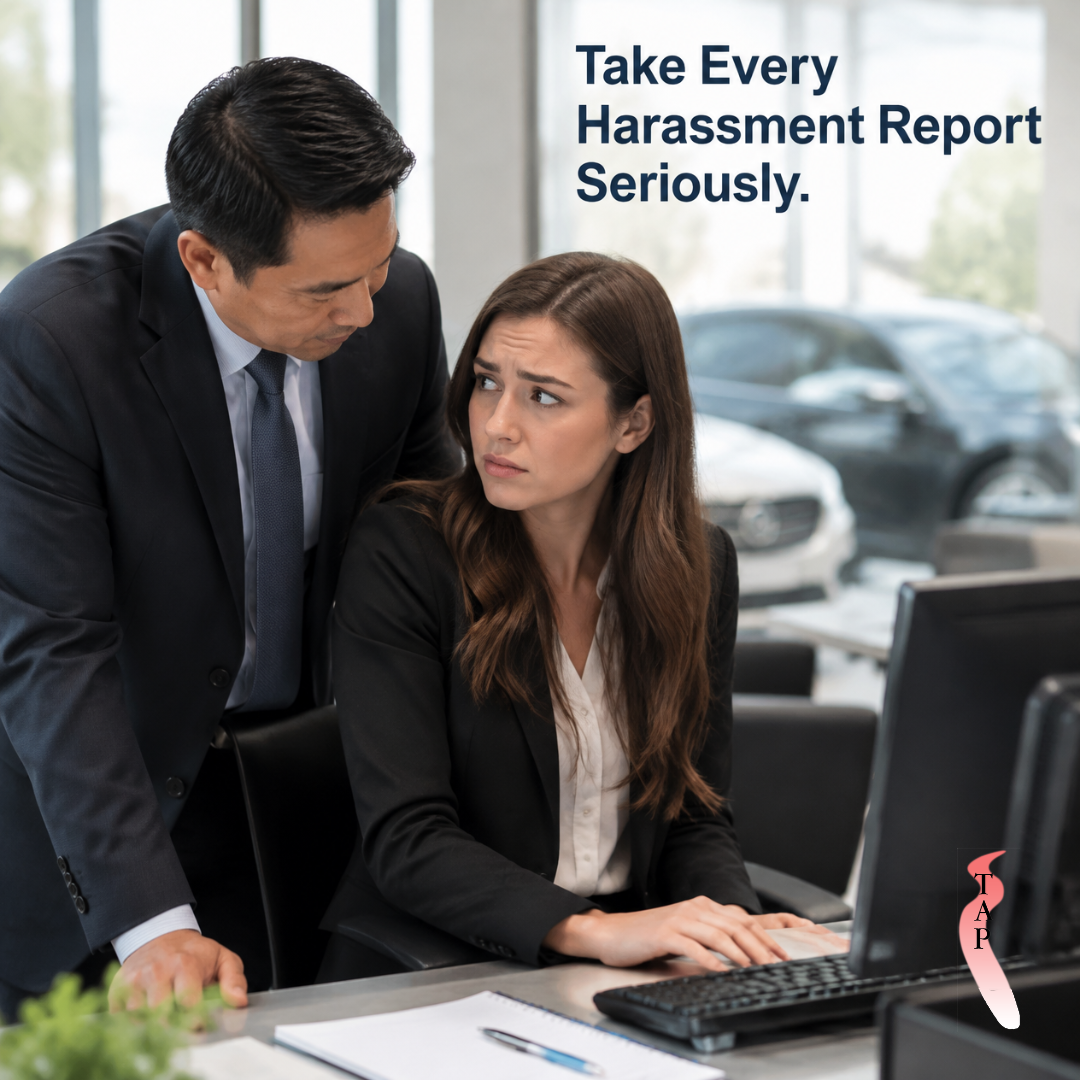
Sexual harassment prevention requires employers to do more than establish workplace policies. They must respond appropriately to complaints, address inappropriate conduct, and ensure employees can report concerns without fear of being ignored. When managers witness misconduct or receive repeated complaints, failing to take effective action can allow harmful workplace conditions to continue.
The $175,000 settlement involving Garden City Jeep Chrysler Dodge, LLC, and VIP Auto Group of Long Island, Inc., highlights the importance of timely intervention, effective employee reporting procedures, and accountability in the automotive industry. The U.S. Equal Employment Opportunity Commission (EEOC) alleged that the companies allowed a dealership inventory manager to engage in repeated verbal and physical sexual harassment despite employees raising concerns.
Background of the Case
VIP Auto Group of Long Island operates an automotive dealership network that includes Garden City Jeep Chrysler Dodge in Long Island, New York. The EEOC brought a federal lawsuit against both companies, alleging that they failed to prevent and correct sexual harassment by an inventory manager at the dealership.
The lawsuit, EEOC v. Garden City Jeep Chrysler Dodge, LLC and VIP Auto Group of Long Island, Inc., Case No. 2:24-cv-06878, was filed in the U.S. District Court for the Eastern District of New York. The agency pursued the case after first attempting to resolve the matter through its administrative conciliation process.
According to the EEOC, the alleged conduct continued despite managers witnessing incidents and female employees repeatedly reporting concerns to management and human resources. Some employees also filed charges with the EEOC and a federal lawsuit, but the alleged harassment continued.
Details of the Incident
According to the EEOC's allegations, the dealership's inventory manager subjected female employees to repeated unwanted physical contact and sexually inappropriate verbal conduct.
The lawsuit alleged that the manager touched or grabbed employees' breasts and buttocks, ran his hand down one employee's hair and back, and regularly engaged in sexual moaning and catcalling. He also allegedly made comments about female employees' bodies and discussed his own sex life at work.
The EEOC further alleged that managers regularly witnessed the conduct and that employees repeatedly complained to management and human resources. Despite these reports, the alleged harassment continued.
These allegations raise important questions about how employers monitor workplace behaviour, respond to complaints, and protect employees when misconduct is reported. The allegations have been resolved through a consent decree, and they should not be treated as independent findings that every alleged incident was proven at trial.
Legal Background
Title VII of the Civil Rights Act of 1964 prohibits employment discrimination based on sex, including sexual harassment that creates a hostile work environment or involves unwelcome conduct tied to employment conditions.
Employers may face liability when they fail to take appropriate action to prevent or correct workplace harassment. Their responsibilities include maintaining effective complaint procedures, investigating reports appropriately, and taking reasonable corrective action when misconduct is identified.
A workplace reporting process must also be accessible and credible. Employees should know how to report concerns, understand that complaints will be taken seriously, and have alternative reporting options when their direct supervisor or another member of management is involved.
The EEOC alleged that Garden City Jeep and VIP Auto Group violated Title VII by allowing the alleged harassment to continue. The companies agreed to resolve the lawsuit through a two-year consent decree.
Settlement Status and Relief Sought
Garden City Jeep Chrysler Dodge and VIP Auto Group of Long Island agreed to pay $175,000 and implement additional measures under a two-year consent decree.
The decree requires the companies to:
- Provide training for owners, managers, and human resources employees on preventing and correcting sexual harassment.
- Make significant revisions to the employee handbook.
- Submit compliance-related reports to the EEOC.
- Refrain from rehiring the inventory manager identified in the lawsuit as the alleged harasser.
The settlement establishes both monetary relief and ongoing compliance obligations. Its requirements focus on improving workplace policies, strengthening management's ability to respond to harassment, and providing oversight of the companies' compliance efforts.
Key Takeaways from the Case
Employers can use this case to assess whether their current policies and practices provide meaningful protection against sexual harassment.
- Act on complaints promptly. Repeated reports should trigger appropriate review and investigation rather than being treated as isolated or minor workplace disagreements.
- Address conduct witnessed by managers. Supervisors should understand that they have responsibilities when they observe potentially inappropriate conduct, even if no formal complaint has been submitted.
- Make reporting procedures accessible. Employees should have clear options for raising concerns with human resources, designated management personnel, or an independent reporting channel.
- Train managers to respond appropriately. Supervisors need practical guidance on recognising potential harassment, documenting reports, escalating concerns, and avoiding actions that could discourage employees from speaking up.
- Review policies regularly. Employee handbooks should clearly explain prohibited conduct, complaint procedures, investigation expectations, and protections against retaliation.
- Follow through with corrective action. Employers should evaluate whether their response effectively addresses the reported behaviour and helps prevent recurrence.
Broader Implications for Employers
The Garden City Jeep case demonstrates why employers should not rely solely on written policies or assume that an informal response is sufficient. A policy is only one part of a prevention programme. Employees also need to see that complaints are handled consistently and that workplace standards apply to everyone.
In automotive dealerships, employees may work in close proximity across sales floors, service departments, inventory areas, and administrative offices. Managers and HR personnel should understand how to recognise inappropriate behaviour in these environments and how to respond when employees report concerns.
Employers should consider several practical steps:
- Establish a written process for receiving, documenting, and investigating harassment complaints.
- Provide a reporting option outside an employee's direct management chain.
- Require managers to escalate concerns rather than attempting to dismiss or informally resolve serious allegations without appropriate review.
- Document investigation findings and corrective actions while protecting employee privacy to the extent practicable.
- Review complaints for patterns that may indicate recurring problems or gaps in management oversight.
- Communicate anti-retaliation expectations and monitor for potential adverse treatment following complaints.
- Evaluate whether training and policy updates are being applied consistently across locations and departments.
When employees report similar conduct more than once, employers should consider whether previous responses were effective and whether additional intervention is necessary. A consistent, documented approach can help organisations identify concerns and make informed decisions about corrective action.
The Importance of Sexual Harassment Training
Sexual harassment training helps employees understand workplace expectations, recognise inappropriate conduct, and learn how to report concerns. It also helps managers and HR personnel understand their responsibilities when allegations arise.
Sexual Harassment Training | TAP Series®
For employers, training should address several core areas:
- Employee awareness: Explain examples of sexual harassment, including unwanted physical contact, sexual comments, catcalling, and other conduct that may contribute to a hostile work environment.
- Reporting procedures: Show employees how to raise concerns, who can receive complaints, and what alternative channels are available if management is involved.
- Supervisor responsibilities: Train managers to recognise possible harassment, take reports seriously, escalate complaints, and follow established investigation procedures.
- Workplace respect: Reinforce professional communication, appropriate boundaries, and the responsibility to treat coworkers with dignity.
- Prevention strategies: Explain the importance of early intervention, consistent policy enforcement, documentation, and protections against retaliation.
Training should be relevant to the workplace and the responsibilities of each employee group. Owners and senior leaders should understand that workplace conduct standards apply to them, while supervisors and HR staff need guidance on responding to reports objectively and appropriately.
Training alone cannot eliminate workplace harassment. It should be supported by accessible reporting channels, effective investigations, consistent corrective action, and periodic reviews of workplace policies and practices.
Conclusion
The Garden City Jeep and VIP Auto Group settlement highlights the importance of responding effectively when employees report sexual harassment. The allegations involved repeated conduct, reports to management and human resources, and claims that the behaviour continued despite those concerns being raised.
For employers, the key lesson is that harassment prevention depends on action as well as policy. Clear reporting procedures, informed supervisors, appropriate investigations, and regular training can help organisations identify concerns and reinforce expectations for professional workplace conduct.