Budgeting For Home Repairs
How Property Ownership Costs Change as a Home Ages
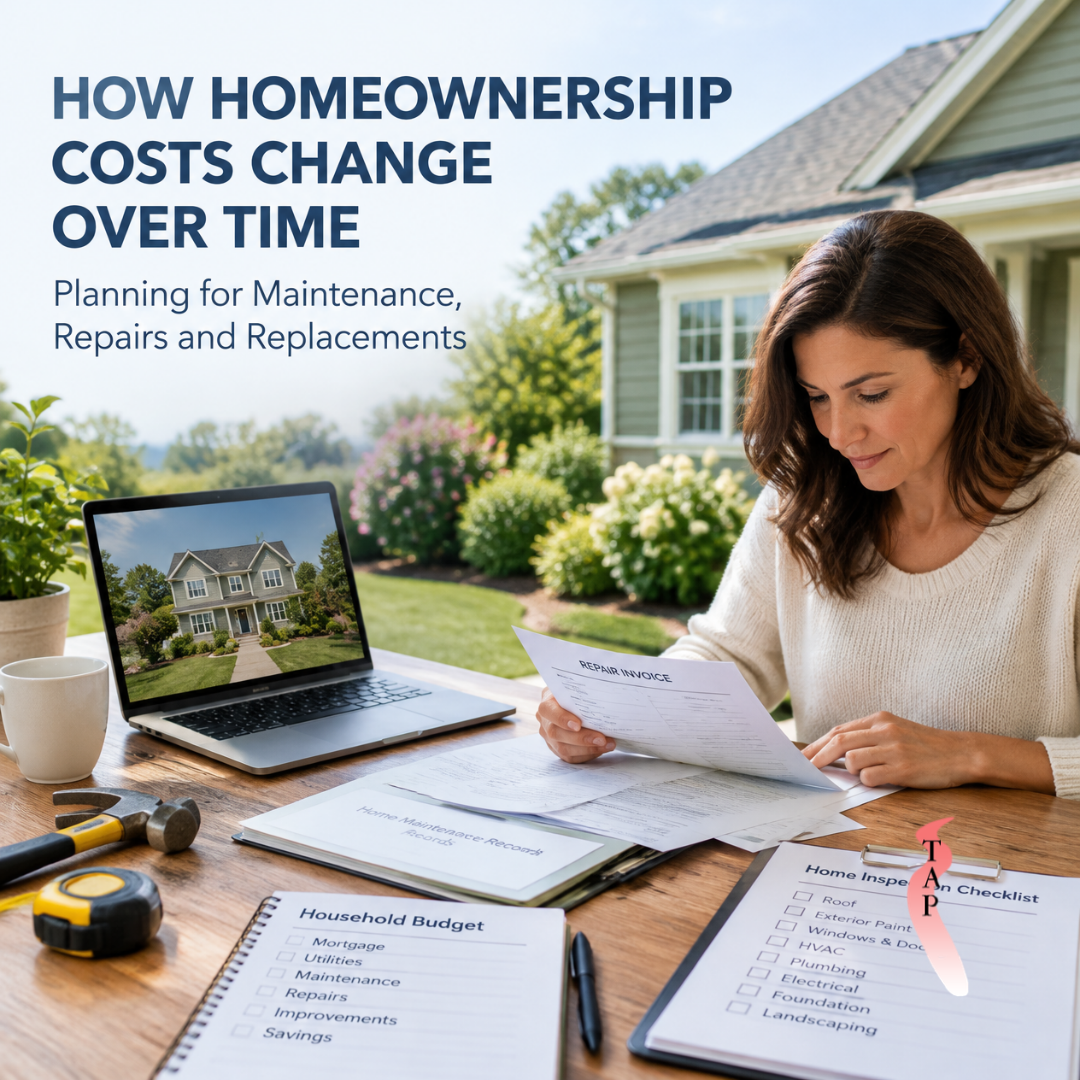
Buying a home involves more than the initial purchase price and regular household bills. As a property ages, different components may require routine servicing, repairs, or eventual replacement. Understanding how property ownership costs change over time can help prospective buyers assess a home's condition and prepare for the responsibilities that come with long-term ownership.
A newer property may have fewer immediate maintenance requirements, but it can still develop defects or need repairs. An older home may have well-maintained systems that continue to function effectively, or it may contain components approaching the end of their useful lives. The property's age is only one part of the picture. Maintenance history, construction quality, climate, materials, and frequency of use can all influence future costs.
1. Understand the Difference Between Maintenance, Repairs, and Replacement
Property ownership costs generally fall into several categories. Routine maintenance includes tasks such as cleaning gutters, servicing air-conditioning equipment, checking seals, and maintaining drainage. These activities help keep a home in working condition and may identify small issues before they become more extensive.
Repairs address problems that have already developed, such as a leaking pipe, a damaged window, or a malfunctioning appliance. Replacement involves removing and installing a component that is no longer suitable for continued use or would be impractical to repair.
These expenses do not occur on a predictable schedule for every home. A well-maintained roof may last longer than a poorly maintained one, while a relatively new appliance can fail unexpectedly.
When evaluating a property, consider all three categories rather than focusing only on visible defects. A home that appears move-in ready may still require planned maintenance or replacement work in the coming years.
2. Roofs and Exterior Materials Can Require Significant Investment
The roof and exterior protect a home from weather and moisture. Over time, roofing materials, gutters, downpipes, exterior paint, sealants, and timber components can deteriorate because of exposure to sunlight, rainfall, wind, and temperature changes.
Routine maintenance may involve clearing gutters, checking roof drainage, inspecting flashing, and repairing damaged materials. If deterioration progresses, more extensive work may become necessary.
Roof replacement can represent a substantial expense, depending on the roof's size, design, materials, and accessibility. Exterior cladding, balconies, fences, and drainage systems may also require repairs or renewal as a property ages.
For buyers, it is useful to establish the approximate age of the roof and identify any previous repairs. Ask whether there are records of leaks, storm damage, waterproofing work, or replacement. A professional inspection can help assess the roof's current condition and identify areas that may require attention.
3. Appliances and Heating or Cooling Systems Have Different Lifespans
Household appliances and mechanical systems experience wear through regular use. Refrigerators, ovens, dishwashers, washing machines, water heaters, and air-conditioning units may eventually require repairs or replacement.
The timing varies depending on the product, quality, maintenance, usage, and operating environment. Coastal conditions, high humidity, dust, and heavy use can affect some equipment more quickly.
Heating, ventilation, and air-conditioning systems deserve particular attention because repairs can involve several components. Regular servicing may help maintain performance, but it does not eliminate the possibility of major failures.
When viewing a property, ask about the installation dates, service history, warranty coverage, and known issues with major appliances and equipment. Test accessible appliances where appropriate, and consider whether replacement costs could affect your budget if a system is nearing the end of its useful life.
4. Plumbing and Electrical Systems Can Develop Hidden Issues
Plumbing and electrical systems may remain concealed behind walls, beneath floors, or within ceilings. As these systems age, pipes, fittings, wiring, switchboards, and connections can deteriorate or become less suitable for the property's current needs.
Plumbing repairs may involve leaking pipes, corroded fittings, drainage problems, or an ageing hot-water system. Persistent moisture can also damage surrounding materials, creating additional repair requirements.
Electrical work may become necessary when components deteriorate, safety concerns are identified, or the home's electrical capacity no longer suits its requirements. Older properties may also have undergone renovations that changed how systems were installed or used.
Buyers should ask about major system upgrades and review available documentation. If the age or condition of these components is uncertain, an appropriately qualified professional can assess them and identify potential concerns.
5. Windows, Doors, and Insulation Affect Ongoing Costs
Windows and doors can gradually develop worn seals, damaged frames, sticking mechanisms, and gaps that allow drafts or moisture to enter. These issues may affect comfort, noise levels, and energy use.
Insulation can also influence a home's ongoing costs. Its effectiveness may depend on the material, installation quality, coverage, and whether moisture or damage has affected it.
Maintenance may involve replacing seals, adjusting hardware, repairing frames, or improving insulation. In some cases, damaged windows or poorly performing building components may require more extensive upgrades.
When assessing an older property, check for condensation between glazed panes, water stains near window frames, drafts, and difficulty opening or closing doors. Consider how much work may be needed to maintain a comfortable indoor environment, particularly in areas with extreme temperatures or frequent rainfall.
6. Consider How Landscaping and Drainage Change Over Time
Outdoor areas also contribute to ownership costs. Trees grow, roots spread, fences deteriorate, paving shifts, and garden structures require maintenance. A landscaped yard that looks attractive during a viewing may involve ongoing watering, pruning, mowing, or specialist care.
Drainage is another important consideration. Changes in soil levels, blocked gutters, damaged pipes, or poorly maintained outdoor drains can contribute to water pooling around the property.
Large trees may require periodic professional assessment, especially when branches approach the roof or roots affect paved areas. Retaining walls and other structures may also need inspection and repairs as they age.
Consider the amount of outdoor maintenance you can manage and whether the existing landscaping is practical for your household. A low-maintenance garden may still require occasional upkeep, while extensive gardens and mature trees can involve higher ongoing costs.
7. Review Maintenance History and Plan for Future Expenses
A property's maintenance records can help you understand which components have already been repaired or replaced and which may need attention. Look for invoices, warranties, service reports, inspection documents, and records of major renovations.
It may help to create a simple list of significant components, including the roof, plumbing, electrical systems, windows, appliances, and heating or cooling equipment. Record their approximate ages, current condition, and any known maintenance recommendations.
For example, if a home has a recently replaced roof but an ageing air-conditioning system, its likely maintenance priorities may differ from those of a property with older roofing and newer mechanical equipment. These details can help you identify possible expenses without assuming that a replacement will be needed at a specific time.
Consider setting aside funds for routine maintenance and unexpected repairs as part of your broader household budget. The appropriate amount will depend on the property, your financial circumstances, and the costs of local services and materials.
Make Long-Term Ownership Costs Part of Your Buying Decision
Property ownership costs can change as a home ages because different components require maintenance, repair, or replacement at different times. Roofs, appliances, heating and cooling systems, plumbing, electrical components, windows, and outdoor structures all contribute to the property's ongoing responsibilities.
Before buying, look beyond the home's appearance and purchase price. Review its maintenance history, assess the condition of major systems, and identify work that may be needed in the foreseeable future. Where concerns arise, a professional inspection can provide a clearer understanding of the property's condition.
A realistic view of future maintenance requirements can help you compare properties more carefully and prepare for the practical costs of ownership. Rather than relying on age alone, focus on the home's actual condition, the quality of its upkeep, and the responsibilities you are prepared to manage over time.