Home Buying Inspection Tips
How to Create a Property Viewing Checklist That Actually Works
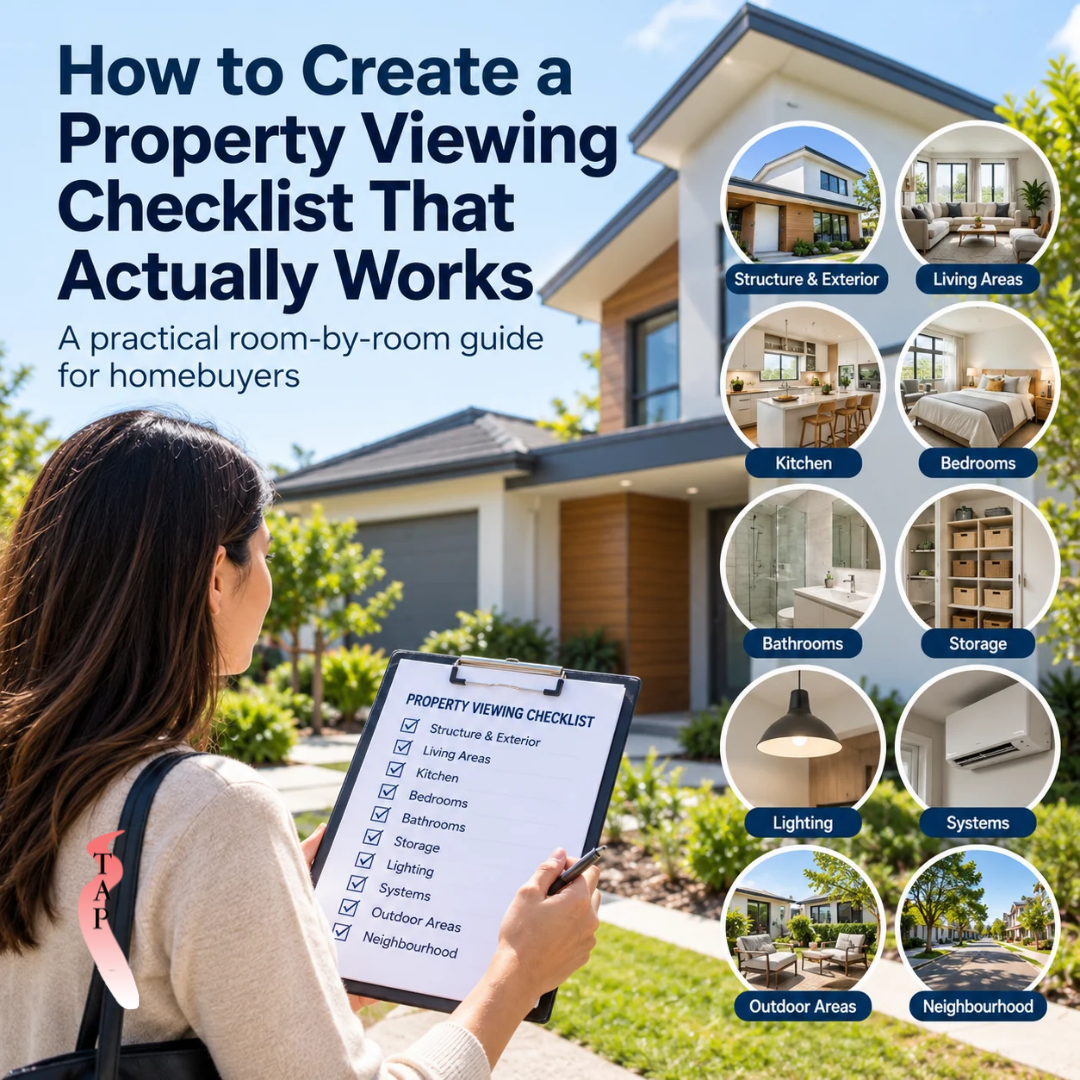
Viewing a property is an important step in the homebuying process. While photographs and online listings can provide an initial impression, visiting a home allows buyers to observe its condition, layout, surroundings, and everyday practicality. However, it can be easy to overlook important details when focusing on attractive interiors or imagining how furniture might fit.
A well-organised property viewing checklist helps buyers evaluate each home consistently. Rather than relying on memory, a checklist encourages closer attention to structural concerns, essential systems, storage, lighting, noise, connectivity, and the surrounding neighbourhood.
The goal is not to identify every possible defect during a viewing. Instead, it is to gather useful observations, recognise potential concerns, and determine which areas may require further investigation.
Start With the Property's General Condition
Before examining individual rooms, take a moment to assess the property's overall condition. Look at the exterior walls, roofline, windows, doors, and visible foundations.
Pay attention to cracks, uneven surfaces, water stains, peeling paint, or signs of previous repairs. Not every visible imperfection indicates a serious problem, but unusual or widespread damage may deserve professional assessment.
Use this general property checklist:
- Check exterior walls for visible cracks or deterioration.
- Look for missing, damaged, or uneven roofing materials.
- Observe whether doors and windows appear properly aligned.
- Check for signs of water intrusion or persistent dampness.
- Note areas where maintenance appears overdue.
These observations provide a starting point for understanding the property's condition before moving indoors.
Living Room and Common Areas
Living rooms and shared spaces should be assessed for comfort, functionality, and suitability for everyday activities.
Consider whether the room accommodates the household's furniture and whether its layout supports movement between different areas. Natural lighting and ventilation can also affect comfort throughout the day.
Living room checklist:
- Check walls and ceilings for cracks, stains, or uneven finishes.
- Observe the amount of natural light entering the room.
- Test accessible light switches and electrical outlets where permitted.
- Check whether windows open, close, and lock properly.
- Listen for traffic, neighbouring properties, or mechanical noise.
- Consider furniture placement and available storage.
A room may appear spacious when empty but feel less practical once furniture is added. Taking measurements can help buyers assess whether existing belongings will fit.
Kitchen and Dining Areas
The kitchen is one of the most frequently used areas of a home, making its condition and layout particularly important.
Beyond cabinet finishes and appliance appearance, consider plumbing, ventilation, storage, and the arrangement of preparation areas.
Kitchen checklist:
- Inspect cabinets and drawers for damage or difficulty opening.
- Check underneath sinks for moisture, stains, or visible leaks.
- Test taps and observe water pressure where permitted.
- Look for adequate ventilation and extractor fans.
- Check available electrical outlets and appliance spaces.
- Evaluate countertop space, pantry storage, and accessibility.
Buyers should also consider whether the kitchen layout suits their cooking habits. Limited storage or poorly positioned appliances may affect daily convenience even when the room appears visually appealing.
Bedrooms and Storage Spaces
Bedrooms should provide suitable space for sleeping, furniture, storage, and personal activities.
Consider the room's dimensions, window placement, privacy, and exposure to outside noise. A bedroom facing a busy road may feel different from one overlooking a quiet garden.
Bedroom checklist:
- Measure the space available for beds and essential furniture.
- Check wardrobes, cupboards, and built-in storage.
- Look for signs of moisture around windows and corners.
- Assess natural light and airflow.
- Listen for noise from roads, shared walls, or nearby facilities.
- Check the location and number of electrical outlets.
Storage deserves attention throughout the property. Linen cupboards, utility spaces, and additional shelving can influence how easily a household keeps everyday belongings organised.
Bathrooms and Laundry Areas
Bathrooms and laundry spaces involve regular water use, making moisture management and ventilation important considerations.
Visible defects may include deteriorated sealant, loose tiles, damaged fixtures, or signs of persistent dampness.
Bathroom and laundry checklist:
- Check taps, showers, and toilets for visible leaks.
- Observe drainage and water pressure where testing is permitted.
- Look for mould-like growth, peeling paint, or water stains.
- Check ventilation fans and operable windows.
- Inspect tiles, grout, and sealant for deterioration.
- Assess storage and space for laundry appliances.
A clean bathroom is not necessarily free from underlying moisture problems. Repeated stains, unusual odours, or damaged materials may warrant closer investigation.
Check Essential Systems and Connectivity
Some of the most important property features are not immediately visible during a tour. Electrical systems, plumbing, heating, cooling, and internet connectivity can affect daily living and ongoing expenses.
Buyers should ask about the age, condition, and maintenance history of major systems.
Consider checking the following:
- Heating and cooling equipment, including visible condition and servicing records.
- Electrical outlets, lighting, and accessible switches.
- Water pressure, drainage, and hot water availability.
- Internet service options and mobile phone reception.
- Locations of electrical panels, utility meters, and water shutoff points.
Internet connectivity is particularly important for households that work remotely, study online, or rely on connected devices. Available services and actual connection performance can vary between properties, even within the same neighbourhood.
Evaluate Outdoor Areas and Drainage
Outdoor spaces can affect maintenance responsibilities, privacy, and how the property functions during different weather conditions.
Gardens, driveways, fences, balconies, and patios should be evaluated for both usability and condition.
Outdoor checklist:
- Check whether the ground slopes toward or away from the house.
- Look for standing water, erosion, or poor drainage.
- Inspect fences, gates, paths, and driveways for visible damage.
- Observe the condition of trees and vegetation near structures.
- Consider privacy, outdoor lighting, and security.
- Assess the maintenance required for lawns and landscaping.
Buyers should also consider whether outdoor spaces suit their intended activities and whether their upkeep fits the household's available time and resources.
Observe the Surrounding Neighbourhood
A property viewing should extend beyond the building itself. The surrounding neighbourhood can influence convenience, comfort, and everyday routines.
Take time to observe traffic conditions, nearby land uses, pedestrian access, street lighting, and general noise levels.
Consider visiting the area at different times of day, where practical. A quiet street during a weekday morning may experience heavier traffic or activity during evenings and weekends.
Look into access to grocery stores, healthcare facilities, public transport, schools, parks, and other services relevant to the household.
It is also useful to research local environmental risks, planned developments, and community regulations that may affect the property.
Organise Your Findings After Each Viewing
A property viewing checklist is most useful when observations are recorded clearly and consistently.
After visiting each property, review your notes and separate findings into three categories: features that meet your needs, concerns requiring further investigation, and improvements that may be desirable but are not essential.
Photographs, measurements, and written observations can help when comparing multiple homes, provided photography is permitted.
Remember that a viewing checklist does not replace a professional property inspection. Hidden defects, structural concerns, and technical system problems may require qualified assessment.
Ultimately, an effective property viewing checklist helps buyers look beyond first impressions. By examining each room, reviewing essential systems, and considering the surrounding environment, buyers can develop a more complete understanding of a property's condition and suitability before making a major decision.
This article is for general educational purposes only and is not a substitute for professional property inspection, legal, or financial advice.