Energy Efficiency And Homeownership Costs
How to Evaluate a Home’s Energy Efficiency Before Buying
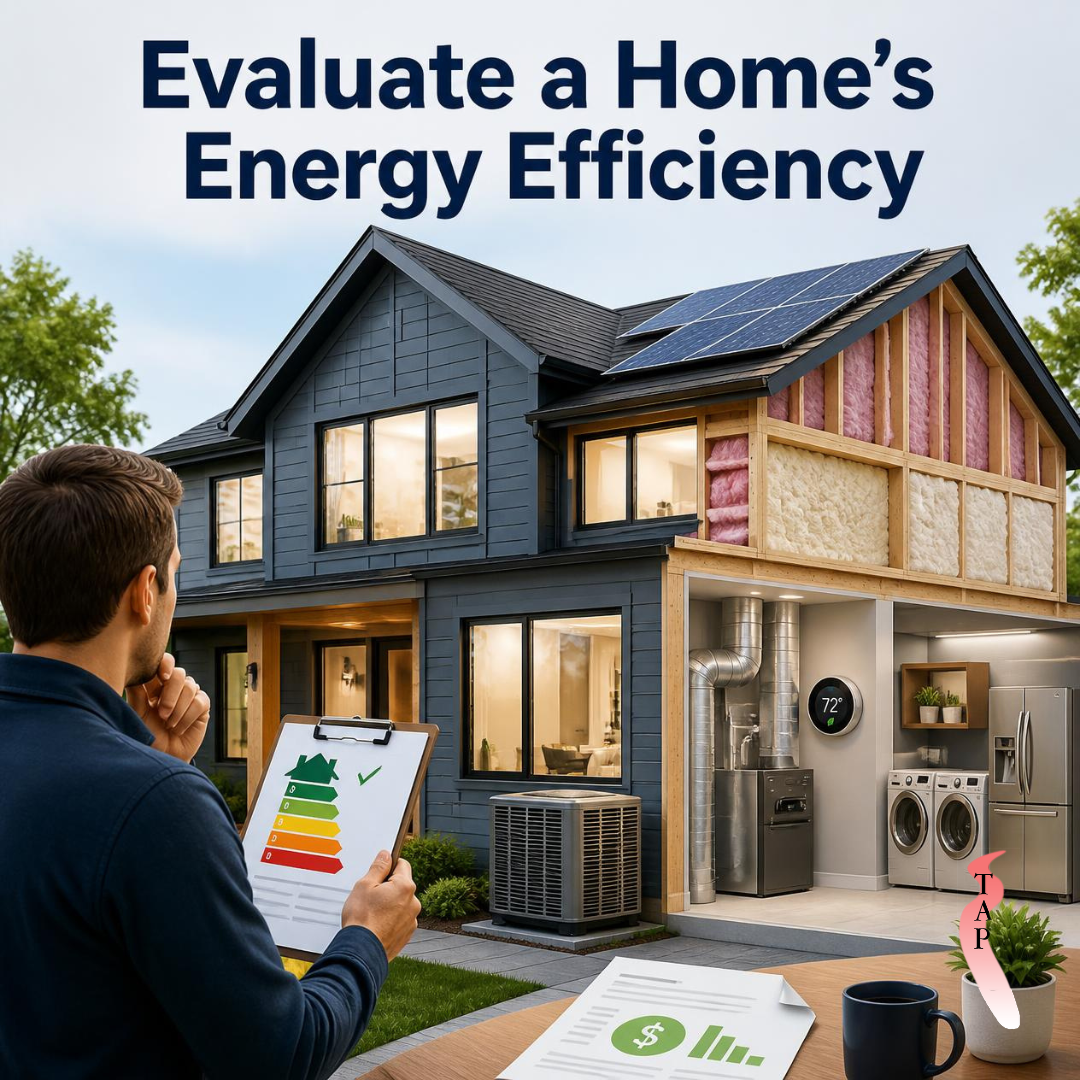
Energy efficiency can have an important influence on the ongoing cost and comfort of owning a home. Two properties of similar size can have very different energy requirements depending on their insulation, windows, heating and cooling systems, appliances, and overall design.
For buyers, looking at energy efficiency before purchasing can provide useful information about how a home may perform during everyday use. It can also help identify features that may reduce energy consumption or, alternatively, systems that could require upgrades over time.
Start With the Home's Overall Design
A home's design can influence how much energy it needs to remain comfortable.
Factors such as orientation, layout, ceiling height, natural ventilation, shading, and the amount of exposed glass can affect how much heating or cooling is required.
For example, a home with good natural airflow may require less mechanical cooling in suitable climates. Similarly, well-positioned windows and exterior shading can influence how much heat enters the home.
Energy efficiency is therefore not limited to individual appliances or equipment. It can be a characteristic of the property as a whole.
Check the Insulation
Insulation helps reduce the transfer of heat between the interior and exterior of a home. Its effectiveness depends on factors such as the type, amount, condition, and location of the insulation.
Buyers may want to find out whether the roof, walls, and floors are insulated and whether the insulation is appropriate for the local climate.
Insulation can be difficult to evaluate during a standard property viewing because much of it is hidden behind walls, ceilings, or other materials. Available building records, energy assessments, or qualified inspections may provide additional information.
Look at the Windows and Doors
Windows and doors can affect how much heat enters or leaves a home.
Older or poorly sealed windows may allow unwanted heat transfer or air leakage. Modern designs may incorporate features such as multiple glazing layers, improved seals, or coatings designed to improve thermal performance.
Buyers can look for visible gaps, damaged seals, condensation between panes, or signs of deterioration. However, visible condition alone may not provide a complete picture of a window's energy performance.
Window orientation and external shading can also matter, particularly in climates with significant heat or seasonal temperature changes.
Examine Heating and Cooling Systems
Heating and cooling can represent a significant portion of household energy use, particularly in climates with extreme temperatures.
Buyers can find out what type of systems the home uses, how old they are, and whether they have been regularly maintained.
Useful information may include:
- System type
- Age and condition
- Energy-efficiency rating
- Capacity relative to the home
- Maintenance history
- Replacement history
- Number of separate systems or zones
A newer system is not automatically more efficient in every situation. Proper sizing, installation, maintenance, insulation, and household use can all influence performance.
Consider the Water Heating System
Water heating is another household energy consideration.
Buyers can check whether the property uses an electric, gas, heat pump, solar, or other water-heating system. The system's age and condition can also provide useful information about potential future replacement needs.
Hot-water usage varies considerably between households, so the system should be considered alongside the property's occupancy and typical usage patterns.
Review the Appliances
The home's appliances can also contribute to ongoing energy consumption.
Buyers can check the age and efficiency information available for major appliances such as:
- Refrigerators
- Ovens and cooktops
- Dishwashers
- Washing machines
- Clothes dryers
- Pool equipment
- Other permanently installed appliances
Older appliances may have different efficiency characteristics from newer models. However, replacing functioning appliances also involves an upfront cost, so buyers should consider the condition and expected remaining useful life of existing equipment.
Investigate Solar Panels
A property with solar panels may have a different energy profile from a similar home without them.
If solar equipment is installed, buyers can find out whether the system is owned, leased, financed, or otherwise subject to an agreement. Information about the system's age, capacity, maintenance, warranties, and installation may also be relevant.
Solar production can vary depending on factors such as location, weather, panel orientation, shading, and system condition.
Buyers should also understand how the system interacts with the local electricity network and any applicable arrangements for exporting excess electricity.
Ask About Energy Bills
Past energy bills can provide practical information that individual property features may not reveal.
If historical bills are available, buyers can look at patterns across different seasons and consider how household occupancy and usage may have affected the figures.
A previous owner's energy consumption will not necessarily match a new household's consumption. The number of occupants, preferred indoor temperature, appliance usage, working arrangements, and other habits can all make a difference.
Bills should therefore be treated as useful context rather than a precise prediction of future costs.
Look for Signs of Energy Loss
During a viewing, buyers can look for potential signs that a property may have energy-efficiency issues.
These might include:
- Drafts around doors or windows
- Damaged window seals
- Excessive condensation
- Poorly sealed openings
- Gaps around fixtures
- Older heating or cooling equipment
- Areas that feel noticeably warmer or colder than others
These observations do not necessarily confirm an efficiency problem. They can simply identify areas that may deserve further investigation.
Consider Future Upgrades
A home does not have to be perfectly energy efficient to be suitable for a buyer. However, it is useful to understand which improvements may be needed or desirable over time.
Potential upgrades could include insulation improvements, window replacements, more efficient appliances, heating and cooling upgrades, improved sealing, or solar installation.
Each improvement has its own cost, expected lifespan, maintenance requirements, and potential impact on energy consumption.
Buyers can consider whether they are comfortable with the property's current performance and whether future improvements fit their plans.
Energy Efficiency and Long-Term Costs
Energy efficiency can influence ongoing household expenses, but the relationship is not always straightforward.
A home's size, climate, energy prices, equipment condition, household behavior, and maintenance can all affect actual energy costs. A highly efficient home can still have substantial energy use if it is large or occupied by many people, while a smaller home may use less energy because there is less space to heat or cool.
Looking at several factors together provides a more useful picture than focusing on one feature.
Final Thoughts
Evaluating energy efficiency before buying a home involves more than checking whether a property has solar panels or newer appliances. Insulation, windows, heating and cooling systems, water heating, appliances, building design, and energy usage can all contribute to the property's overall performance.
Buyers can review available energy information, examine the condition of major systems, ask about historical energy use, and identify potential improvements. The goal is not to find a single feature that determines efficiency, but to understand how the property is likely to perform as a complete home.
Considering energy efficiency alongside purchase price, maintenance needs, property condition, and everyday household requirements can give buyers a broader understanding of the ongoing costs of owning the property.