Federal Discrimination Law
Minden Seafood Sued for Failing to Address Sexual Harassment and Retaliation Claims
Background
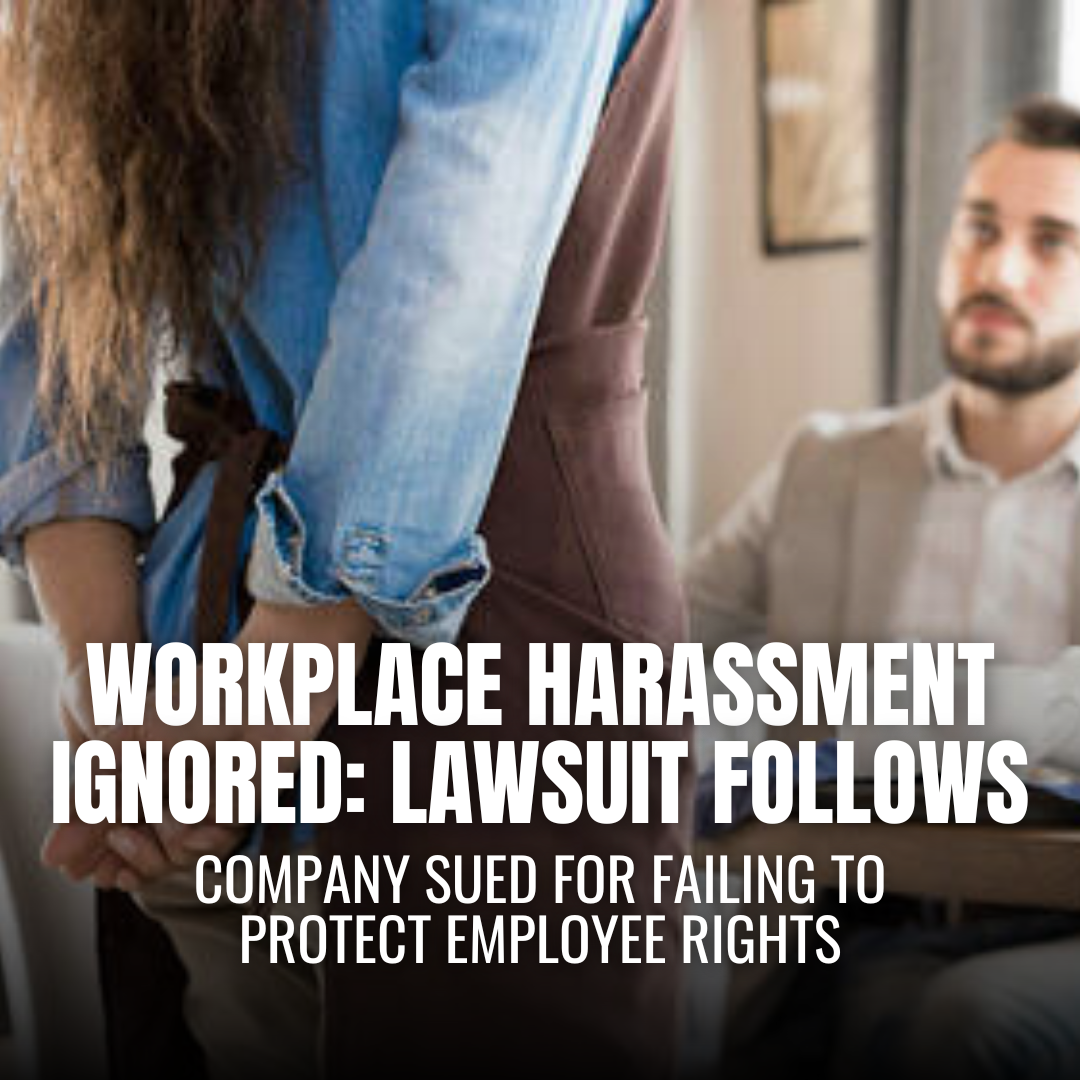
In Minden, Louisiana, Minden Seafood, LLC faces a federal lawsuit after allegations surfaced that the restaurant failed to address repeated sexual harassment against a female employee and retaliated against her when she attempted to return to work. The U.S. Equal Employment Opportunity Commission (EEOC) filed the lawsuit after unsuccessful efforts to reach a settlement.
Details of the Incident
According to the EEOC’s complaint, a female cashier at Minden Seafood endured ongoing sexual harassment from a male coworker. The coworker allegedly made inappropriate comments about her body, propositioned her for sex, and followed her into a restroom where he exposed himself. Despite the employee reporting these actions to the restaurant’s owner, no corrective action was taken, and the harasser remained employed. The hostile environment compelled the female employee to resign. When she later requested to return to her position, Minden Seafood refused to rehire her.
Legal Background
This conduct violates Title VII of the Civil Rights Act of 1964, which prohibits sex-based harassment, constructive discharge, and retaliation against employees who report discrimination. Under Title VII, employers have a legal obligation to prevent and correct harassment in the workplace and are prohibited from punishing employees who come forward with complaints.
Settlement and Relief
As of this filing, the case (EEOC v. Minden Seafood, LLC, Case No. 24-2360) remains pending in the U.S. District Court for the Eastern District of Louisiana. The EEOC seeks compensatory damages for the former employee, including back pay, reinstatement or front pay, punitive damages, and injunctive relief to prevent future occurrences of harassment and retaliation at Minden Seafood.
Key Takeaways
- Employer Accountability: Employers must take immediate and effective action upon receiving harassment complaints to protect their employees.
- Protection from Retaliation: It is unlawful to retaliate against an employee who reports harassment, including refusing reemployment opportunities.
- Hostile Work Environments: Failure to address severe misconduct, such as sexual exposure and harassment, can lead to legal action and significant financial penalties.
Conclusion
The lawsuit against Minden Seafood serves as a reminder that employers must uphold federal laws designed to protect employees from harassment and retaliation. Inaction not only harms the workplace environment but also exposes businesses to serious legal consequences.
Recommendation: Sexual Harassment Training with TAP Series
Workplace safety and respect are non-negotiable. Companies must take proactive steps to ensure employees feel secure and protected. One essential step is investing in comprehensive training. TAP Series is a leader in online compliance training, offering top-quality Sexual Harassment Prevention Training tailored for busy workplaces. With TAP Series, you can streamline your compliance efforts without sacrificing quality. Protect your employees and your business—partner with TAP Series to build a safer, more respectful workplace culture.