Employee Workplace Training
Preventing Sexual Harassment Through Employee Education
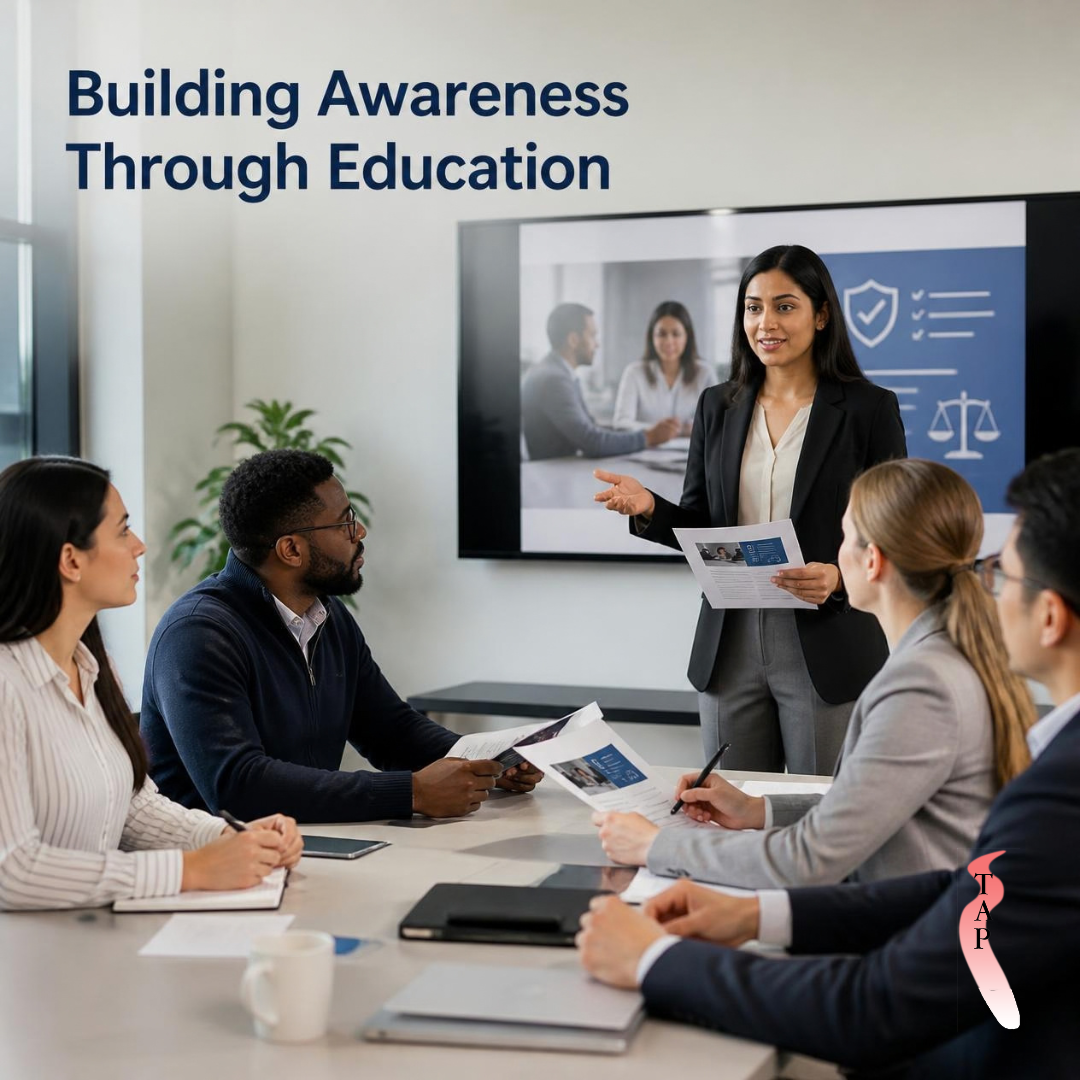
Preventing sexual harassment involves more than having a workplace policy in place. Employees also need to understand what the policy means, what conduct may be inappropriate, how concerns can be reported, and what responsibilities they have toward coworkers.
Employee education can help establish clear expectations and give employees practical information they can use when workplace concerns arise.
Understanding Workplace Policies
Employees should be familiar with their employer's policies regarding sexual harassment and workplace conduct.
Policies can explain:
- What types of conduct are prohibited
- Who the policy applies to
- How employees can report concerns
- Who employees can contact with questions
- How complaints are handled
- What protections or procedures may apply when concerns are reported
Simply providing a policy may not be enough. Employers should make reasonable efforts to ensure employees understand the expectations and know where to find the information when they need it.
Recognizing Inappropriate Conduct
Education can help employees recognize behavior that may violate workplace expectations.
Examples may include unwanted sexual comments, inappropriate conversations, unwelcome advances, sexually suggestive communications, or other conduct that makes an employee uncomfortable or conflicts with workplace policies.
Training should use practical examples that employees can relate to rather than relying only on legal terminology.
Employees Should Know Their Reporting Options
Employees should understand how to raise workplace concerns.
Depending on the employer's procedures, reporting options may include a supervisor, manager, human resources representative, designated reporting channel, or another person identified in the company's policy.
Employees should also understand that concerns may need to be reported through specific channels so the organization can respond appropriately.
Employees Have Responsibilities Too
Employee education should also address individual responsibilities.
Employees can contribute to a respectful workplace by:
- Following workplace conduct policies
- Respecting coworkers' boundaries
- Avoiding inappropriate comments or communications
- Speaking up when they have questions or concerns
- Using established reporting procedures when appropriate
- Cooperating with workplace investigations when asked
- Avoiding retaliation against individuals who raise concerns or participate in an investigation
Education should make clear that preventing inappropriate conduct is a shared workplace responsibility.
Supervisors Need Additional Guidance
Supervisors may receive concerns before anyone else in the organization. They should understand how to respond appropriately rather than attempting to independently investigate or dismiss an employee's concern.
Supervisor education can cover listening carefully, following company procedures, escalating concerns to the appropriate personnel, maintaining professionalism, and understanding anti-retaliation expectations.
The Importance of Sexual Harassment Training
Sexual Harassment Training | TAP Series® can provide employees with structured e ducation about workplace expectations and prevention responsibilities.
Training can reinforce:
- Employee awareness: Helping employees understand policies, professional boundaries, and examples of inappropriate conduct.
- Reporting procedures: Making employees more familiar with available reporting channels.
- Supervisor responsibilities: Explaining how managers should respond when concerns are raised.
- Workplace respect: Reinforcing expectations for professional and respectful interactions.
- Prevention strategies: Helping employees understand how awareness, communication, and consistent application of workplace policies contribute to prevention.
Training should be part of a broader workplace approach that includes clear policies, accessible reporting procedures, and appropriate responses to concerns.
Making Employee Education Practical
Effective education should be understandable and relevant to employees' actual work environment.
Employers can consider using realistic workplace scenarios, examples of appropriate and inappropriate conduct, explanations of reporting procedures, and opportunities for employees to ask questions.
Regular education can also help reinforce expectations as workplace policies, employees, and working environments change.
Key Takeaways for Employers
Employers can support employee education by:
- Providing clear workplace conduct policies.
- Explaining examples of inappropriate behavior.
- Making reporting procedures easy to understand.
- Training supervisors on how to respond to concerns.
- Reinforcing employee responsibilities.
- Including anti-retaliation awareness in training.
- Providing regular opportunities to review workplace expectations.
Broader Implications for Employers
Employee education can help turn workplace policies into practical knowledge. When employees understand expectations and reporting procedures, they have clearer information about how to respond when concerns arise.
Education should not be viewed as a one-time activity. Employers can reinforce workplace expectations through onboarding, recurring training, supervisor education, policy updates, and ongoing communication.
Conclusion
Employee education is an important part of a broader approach to sexual harassment prevention. Clear policies provide the foundation, while training and communication help employees understand how those policies apply in the workplace.
By educating employees about appropriate conduct, reporting options, supervisor responsibilities, and individual responsibilities, employers can provide clearer guidance and support a professional workplace environment.