HR Compliance Training
Security Firm Pays $35,000 to Settle Sex Discrimination Hiring Case
Background
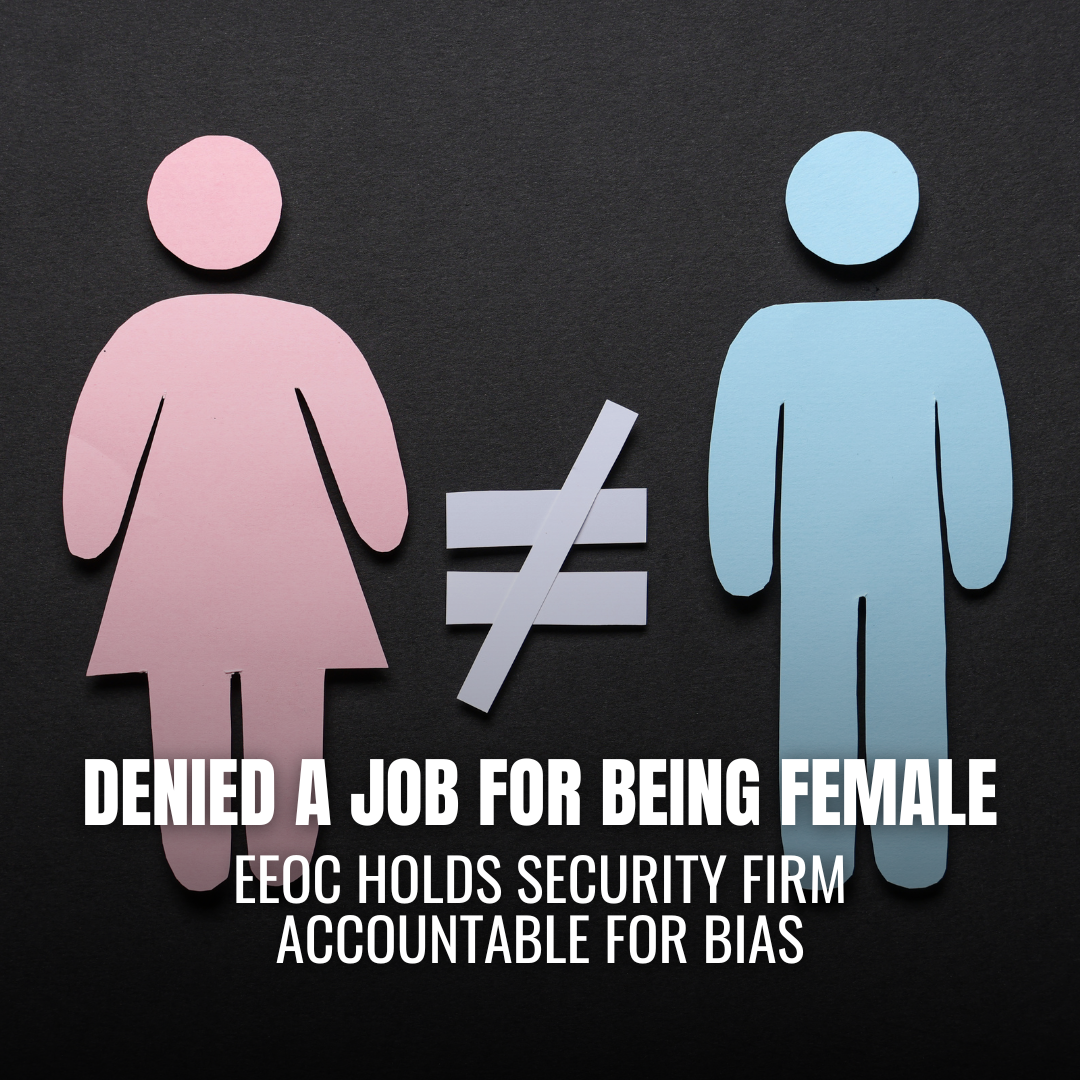
HSS Security, LLC, a company providing security services to hospitals in Texas, faced allegations of sex-based discrimination after rescinding a job offer made to a female applicant. The lawsuit was brought by the U.S. Equal Employment Opportunity Commission (EEOC) after failed attempts at early resolution.
Incident Details
A qualified female candidate was offered a position as a security supervisor at HSS Security. After accepting the offer, she met with two male managers who questioned her suitability for the role. Despite her assurances and relevant experience, the company revoked her job offer. The role was later filled by two male candidates who, according to the EEOC, were not more qualified than the original applicant.
Legal Background
Title VII of the Civil Rights Act of 1964 prohibits employers from discriminating against individuals on the basis of sex. This law applies to all aspects of employment, including recruitment, hiring, and job assignments. When an employer treats an applicant unfavorably due to gender-based assumptions or stereotypes, it constitutes unlawful discrimination under this statute.
Settlement and Relief
On July 7, the U.S. District Court for the Southern District of Texas approved a consent decree requiring HSS Security to pay $35,000 to resolve the matter. The three-year agreement includes the following terms:
- Annual training for hiring managers, recruiters, and HR staff on sex discrimination laws
- Revision of equal employment opportunity policies and hiring procedures
- Posting notices to inform employees of their anti-discrimination rights
- Ongoing reporting to the EEOC of any hiring-related discrimination complaints during the decree period
Key Takeaways
- Employers must not base hiring decisions on gender-based stereotypes or assumptions.
- Qualified candidates must be evaluated based on skills and experience, not sex.
- Legal remedies can include monetary relief and structural reforms to company policies and training.
Conclusion
The HSS Security case underscores the legal and reputational risks companies face when hiring decisions are influenced by gender bias. The consent decree not only provides financial relief to the affected individual but also sets accountability measures for the company to prevent future violations. Employers are reminded that adherence to federal equal employment laws is critical in maintaining a fair and inclusive hiring process.