Foodservice Allergen Training
Allergen Lawsuits in Restaurants: How One Mistake Can Lead to Serious Legal Consequences
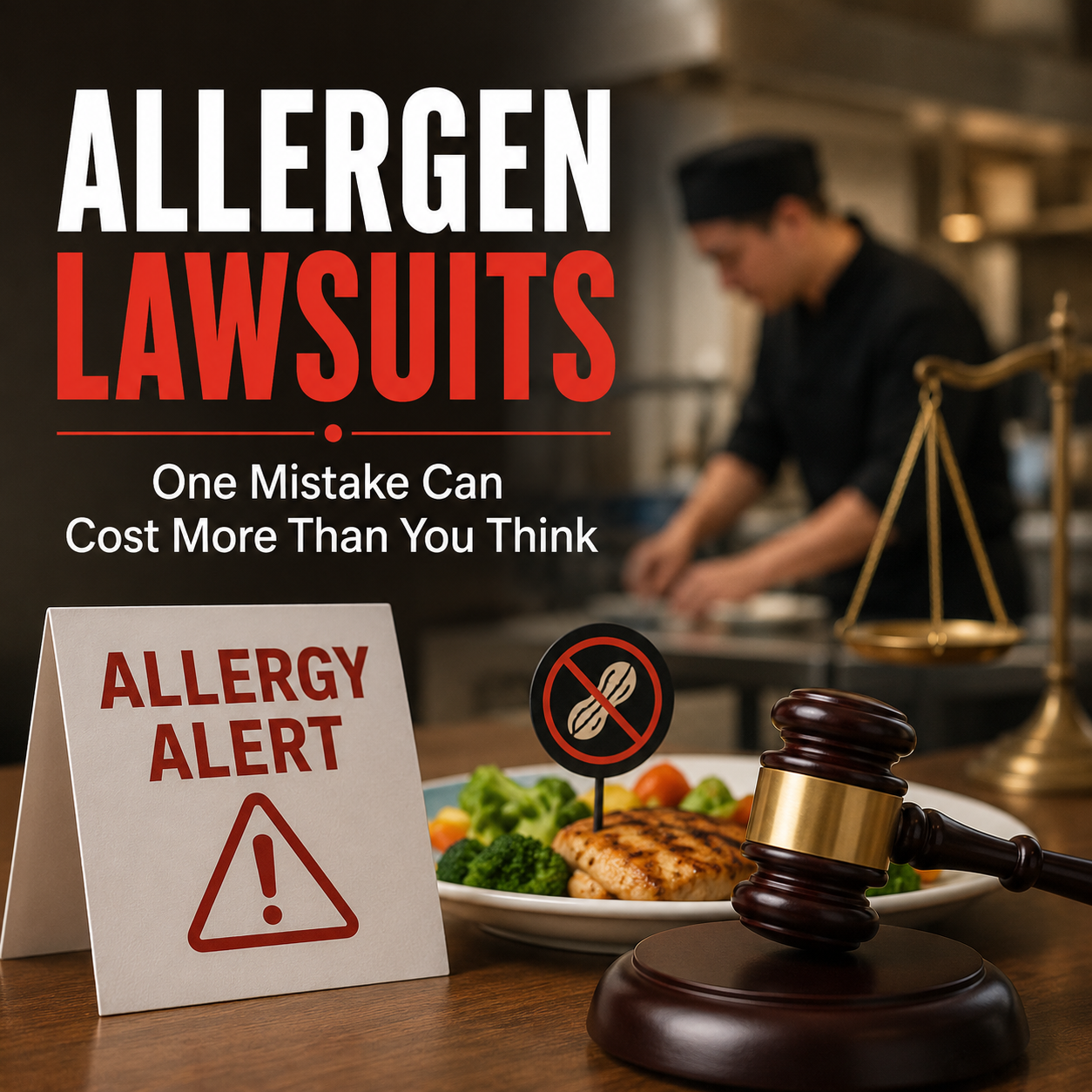
Food allergies are no longer viewed as a minor customer concern in the restaurant industry. Across the United States, restaurants are facing growing legal pressure when allergen mistakes lead to severe allergic reactions, emergency hospitalizations, or even fatalities. For restaurant operators, a single breakdown in communication or food handling can quickly become a lawsuit, damage brand reputation, and result in financial loss.
As customer awareness around food allergies continues to rise, restaurants are expected to take allergen safety seriously. Proper staff training and clear allergen procedures are now essential parts of restaurant operations. TAP Series’ Allergen Awareness Training helps foodservice teams understand how to reduce allergen risks, improve communication, and support safer dining experiences.
Why Allergen Lawsuits Are Increasing in the Restaurant Industry
More Americans are living with food allergies than ever before. Customers increasingly rely on restaurants to provide accurate allergen information and safe meal preparation practices. When restaurants fail to meet those expectations, the legal consequences can be severe.
Common causes of allergen-related lawsuits include:
- Incorrect allergen information provided by staff
- Cross-contact during food preparation
- Undisclosed ingredients in menu items
- Poor communication between front-of-house and kitchen staff
- Failure to follow allergen procedures consistently
- Lack of employee training on food allergies
Even small mistakes can trigger life-threatening allergic reactions. In many legal cases, the issue is not intentional negligence but preventable operational failures.
How Allergen Mistakes Turn Into Lawsuits
A typical allergen lawsuit often begins with a breakdown somewhere in the service process. The customer may notify the server about an allergy, but the information is misunderstood, forgotten, or improperly communicated to the kitchen.
Here are several scenarios that frequently lead to legal action:
1. Incorrect Meal Preparation
A customer requests a peanut-free meal, but the dish is prepared using shared utensils or contaminated surfaces. The customer experiences a severe allergic reaction shortly after eating
2. Misleading Menu Information
Menu descriptions or allergen labels fail to mention allergens hidden in sauces, dressings, marinades, or garnishes.
3. Cross-Contact in the Kitchen
Shared fryers, cutting boards, grills, or preparation stations allow allergens to transfer between foods.
4. Poor Staff Communication
The kitchen receives incomplete or unclear allergy instructions, resulting in unsafe food preparation.
5. Failure to Respond Properly During Emergencies
Staff members do not recognize allergic reaction symptoms or fail to follow emergency procedures quickly.
These situations often lead to medical expenses, legal claims, insurance complications, negative media coverage, and loss of customer trust.
The Financial and Operational Impact of Allergen Lawsuits
An allergen-related lawsuit affects more than legal costs. Restaurants may experience long-term operational damage that impacts profitability and business growth.
Potential consequences include:
- Expensive settlements or court judgments
- Increased insurance premiums
- Health department investigations
- Negative online reviews and media exposure
- Loss of customer confidence
- Employee stress and operational disruption
For multi-location restaurant groups and franchise operations, one incident can also affect the broader brand reputation nationwide.
Why Allergen Awareness Training Matters
Many allergen incidents occur because employees are unaware of the risks involved in food handling and communication. Training helps create consistency across restaurant operations and gives staff the confidence to manage allergy-related requests properly.
The TAP Series Allergen Awareness course helps restaurant employees build practical allergen safety knowledge that supports safer service and risk reduction.
https://tapseries.io/Shop/product?id=aa
Key learning areas include:
- Identifying the Nine Major Food Allergens
Employees learn to recognize common allergens frequently associated with severe reactions.
- Understanding Cross-Contact Risks
Staff gain awareness of how allergens spread during food preparation, storage, cooking, and service.
- Preventing Allergen Cross-Contact
Teams learn practical methods for safer food handling, cleaning procedures, and equipment management.
- Improving Allergen Communication
Employees understand how to communicate allergen information clearly with customers, coworkers, and management.
- Recognizing Allergic Reactions
Staff learn common symptoms and the importance of following emergency response procedures quickly.
Creating a Stronger Allergen Safety Culture
Restaurants that prioritize allergen safety often build stronger customer trust and improve operational consistency. Effective allergen management requires more than policies written in a handbook. It requires continuous staff awareness, communication, and accountability.
Restaurant operators can strengthen allergen safety by:
- Providing ongoing allergen awareness training
- Standardizing allergy communication procedures
- Labeling ingredients clearly
- Establishing dedicated preparation areas when possible
- Reinforcing proper cleaning and sanitation practices
- Encouraging staff to take allergy requests seriously every time
Customers with food allergies often become loyal guests when they feel safe dining at a restaurant. Proper allergen handling is both a safety responsibility and a business advantage.
Protect Your Restaurant Through Better Allergen Awareness
Allergen lawsuits are often preventable when restaurants invest in proper staff education and operational consistency. As customer expectations and legal scrutiny continue to grow across the U.S. restaurant industry, allergen awareness training has become an essential part of responsible foodservice operations.
The Allergen Awareness course from TAP Series helps restaurants strengthen food safety practices, reduce allergen-related risks, and support safer customer experiences through practical employee training.