Workplace Discrimination Prevention
Tripp Enterprises $250,602 EEOC Agreement Highlights Leadership Accountability
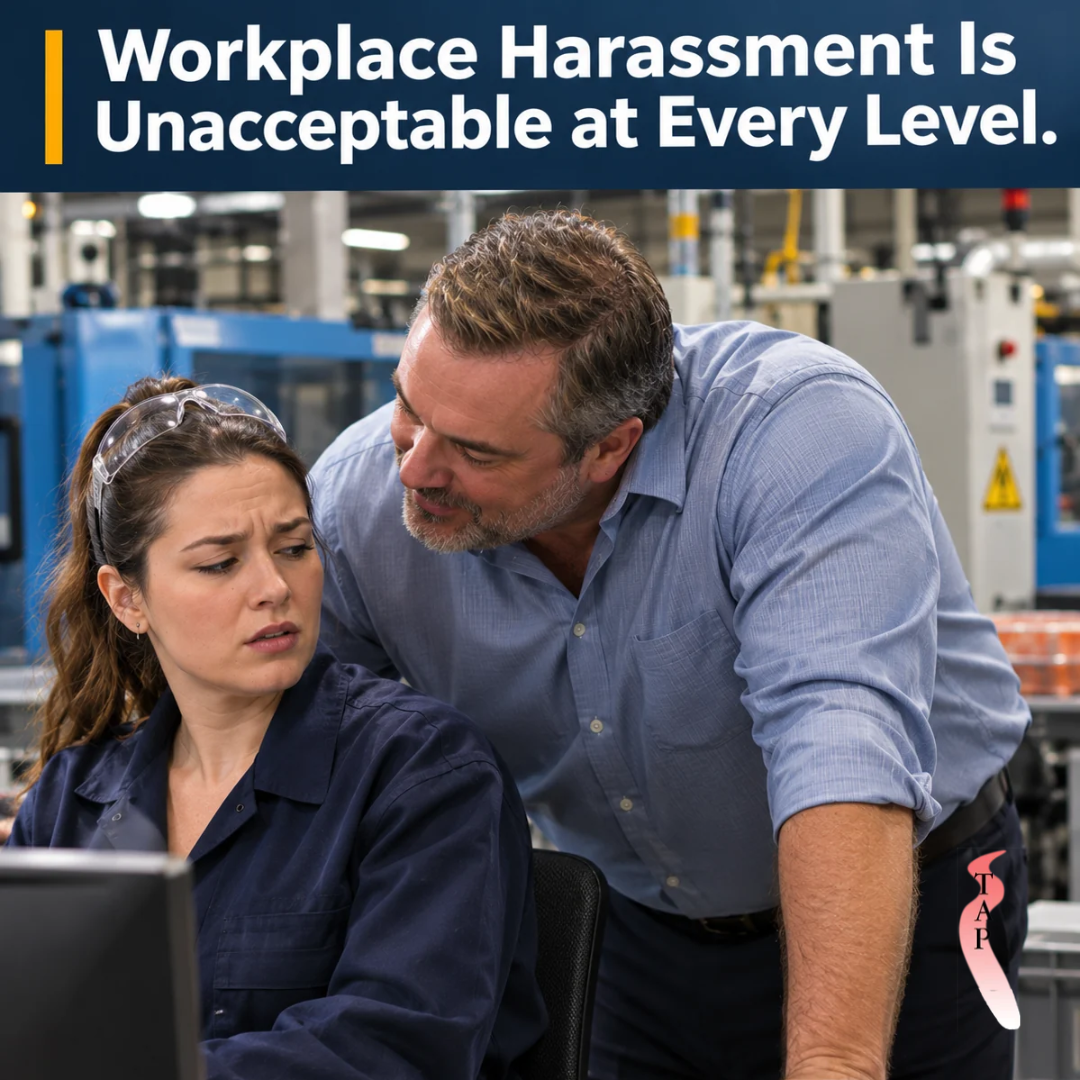
Sexual harassment prevention requires employers to establish clear workplace standards, respond promptly to complaints, and protect employees from retaliation. These responsibilities are particularly important when allegations involve company owners or senior leaders who have authority over employment decisions.
The $250,602 conciliation agreement involving Tripp Enterprises, a Nevada plastics manufacturer, highlights the importance of leadership accountability and effective complaint handling. An investigation by the U.S. Equal Employment Opportunity Commission (EEOC) found reasonable cause to support allegations of sexual harassment involving company leadership and retaliation against employees who reported misconduct.
Background of the Case
Tripp Enterprises is a plastics manufacturing company based in Sparks, Nevada. The EEOC investigated sexual harassment claims involving a group of female employees who worked at the company's manufacturing facility between 2022 and 2025.
According to the EEOC's investigation, company leaders subjected female employees to repeated unwelcome sexual conduct. The agency also determined that employees experienced adverse employment consequences after reporting harassment.
The company agreed to resolve the charges through a conciliation agreement, which includes monetary compensation, policy revisions, leadership training, and ongoing compliance reporting.
Unlike cases resolved through federal lawsuits and consent decrees, this matter was resolved through the EEOC's administrative conciliation process.
Details of the Incident
According to the EEOC's investigation, female employees experienced several forms of alleged sexual harassment involving company leadership, including:
- Unwelcome sexual propositions.
- Exposure to pornographic images.
- Explicit and inappropriate sexual comments.
- Retaliation following harassment complaints.
- Inadequate responses to reported misconduct.
The EEOC determined that one employee was terminated after making several sexual harassment complaints to human resources. Another employee reportedly felt compelled to resign after the company failed to take prompt and effective action in response to her complaint.
The allegations illustrate how power imbalances can create additional barriers for employees who experience harassment. Workers may be concerned about their job security, compensation, or professional opportunities when the alleged harasser holds a position of authority.
The EEOC's investigative findings and subsequent conciliation agreement should be distinguished from findings made by a court following a trial.
Legal Background
Title VII of the Civil Rights Act of 1964 prohibits employment discrimination based on sex, including unlawful sexual harassment. It also prohibits retaliation against employees who engage in protected activities, such as reporting suspected discrimination or participating in covered investigations.
Sexual harassment may violate Title VII when unwelcome sexual conduct becomes a condition of employment or is sufficiently severe or pervasive to create a hostile work environment.
Employers may face liability for misconduct involving supervisors, executives, or company owners, depending on the circumstances and applicable legal standards.
Retaliation may also constitute a separate violation of federal employment discrimination law. Terminating an employee because they reported sexual harassment is an example of conduct that may violate Title VII.
Employers should establish reporting procedures that allow employees to raise concerns independently of the individuals accused of misconduct.
Settlement Status and Relief Sought
Tripp Enterprises agreed to pay $250,602 in monetary relief to resolve the sexual harassment charges investigated by the EEOC.
The financial compensation includes $50,602 in back pay and $200,000 in compensatory damages, with four female employees receiving $50,000 each in compensatory damages.
Under the conciliation agreement, Tripp Enterprises also agreed to:
- Review and revise its anti-discrimination and anti-harassment policies and procedures.
- Establish a recordkeeping mechanism to track workplace complaints.
- Provide training to the company's senior leadership.
- Submit regular compliance reports to the EEOC for one year.
These requirements address both compensation for affected employees and improvements to the company's workplace practices.
The agreement also establishes ongoing responsibilities intended to strengthen complaint handling, leadership awareness, and organizational accountability.
Key Takeaways from the Case
The Tripp Enterprises agreement provides several important lessons for employers across industries.
- Hold senior leadership accountable. Company owners and executives must follow the same workplace conduct standards as other employees.
- Respond promptly to harassment complaints. Employers should assess reports, conduct appropriate investigations, and implement corrective action when warranted.
- Protect employees from retaliation. Employees must not face unlawful termination or other adverse treatment for reporting harassment.
- Maintain accurate complaint records. A centralized recordkeeping process can help employers identify recurring concerns and monitor corrective measures.
- Provide alternative reporting channels. Employees should have accessible options for reporting misconduct involving senior leaders.
- Prioritize leadership training. Executives should understand their responsibilities under federal anti-discrimination laws and how their conduct influences workplace culture.
Broader Implications for Employers
The Tripp Enterprises case highlights the importance of effective harassment prevention in manufacturing environments, where employees may work across production floors, warehouses, administrative offices, and different shifts.
Employees working in these environments may have limited access to human resources personnel or senior management. When allegations involve company leadership, traditional reporting structures may also present conflicts of interest.
Employers should establish alternative reporting channels, provide impartial complaint handling, and ensure workplace policies apply consistently across all departments.
Maintaining accurate records of harassment complaints, investigations, and corrective actions can also help organizations identify patterns of inappropriate conduct and assess whether previous interventions have been effective.
Manufacturing employers should regularly review their workplace practices to ensure that employees understand how to report concerns and that supervisors know how to respond appropriately.
Employment decisions involving workers who have reported harassment should receive careful review to identify potential retaliation concerns and ensure decisions are supported by legitimate, consistently applied reasons.
The Importance of Sexual Harassment Training
Sexual harassment training can help employees recognize inappropriate conduct, understand their workplace rights, and learn how to report concerns. It also provides supervisors and senior leaders with guidance on their responsibilities for preventing and addressing harassment.
Sexual Harassment Training | TAP Series®
Workplace training should address five important areas:
- Employee awareness: Recognizing unwelcome sexual propositions, inappropriate images, explicit comments, and other potentially unlawful conduct.
- Reporting procedures: Understanding how to report harassment, including complaints involving company owners or executives.
- Supervisor responsibilities: Responding appropriately to complaints, documenting concerns, and following established escalation procedures.
- Workplace respect: Maintaining professional boundaries and appropriate communication across all levels of the organization.
- Prevention strategies: Reinforcing anti-harassment policies, addressing retaliation concerns, and implementing appropriate corrective measures.
Leadership training is particularly important because executives influence workplace expectations, employment decisions, and organizational culture.
Training should be supported by accessible reporting channels, impartial investigations, accurate documentation, and consistent policy enforcement. It cannot replace appropriate corrective action or guarantee legal compliance.
Conclusion
The Tripp Enterprises conciliation agreement highlights the importance of addressing sexual harassment involving senior leadership and protecting employees who report inappropriate conduct. The $250,602 agreement combines monetary relief with policy improvements, leadership training, complaint recordkeeping, and compliance monitoring.
For employers, the central lesson is that workplace discrimination prevention requires accountability at every level of the organization. Clear policies, accessible reporting procedures, practical training, and consistent follow-through can help reinforce professional workplace standards and support employees who raise concerns.