TAP Series Allergen Awareness Course
Allergen Lawsuits in Restaurants: How Small Kitchen Mistakes Lead to Major Legal Consequences
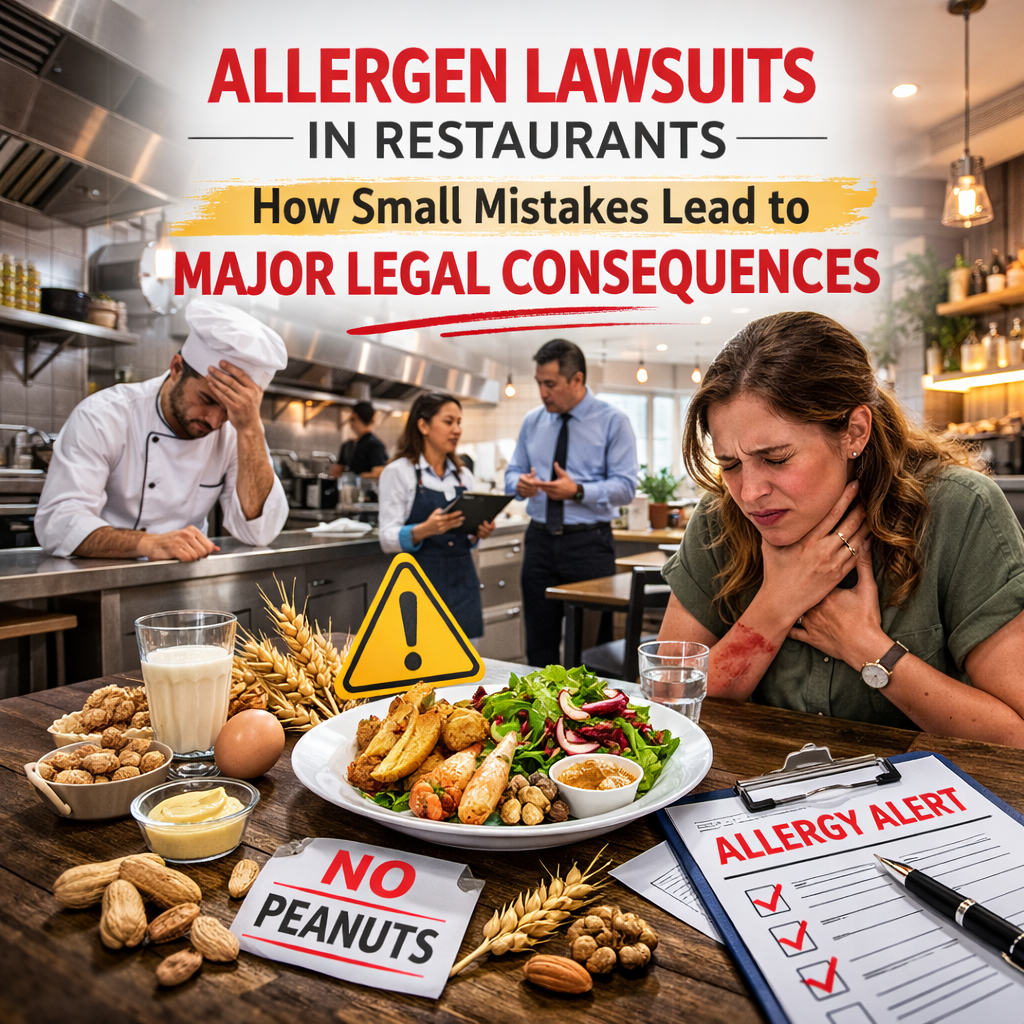
Allergen lawsuits in the restaurant industry are increasing across the United States as food allergy awareness grows and legal accountability strengthens. What often begins as a simple order modification can escalate into a medical emergency and, ultimately, a costly lawsuit.
For restaurant operators, allergen errors are not minor oversights. They represent significant legal, financial, and reputational risk.
Understanding how allergen mistakes turn into lawsuits is the first step toward preventing them.
How Allergen Mistakes Happen in Restaurants
Most allergen related lawsuits do not result from intentional negligence. They occur because of breakdowns in communication and process.
Common causes include:
1. Miscommunication Between Staff
- Server fails to clearly note the allergen restriction
- Kitchen misreads or overlooks modifications
- Incomplete order tickets
2. Cross-Contact in the Kitchen
- Shared prep surfaces without proper sanitation
- Fryers used for multiple products
- Utensils switched between dishes
3. Inaccurate Ingredient Knowledge
- Staff unaware of hidden allergens in sauces or dressings
- Menu updates not communicated to team members
- Failure to verify manufacturer ingredient changes
4. Poor Documentation and Protocols
- No standardized allergen handling procedures
- Inconsistent labeling
- Lack of verification steps before serving
Even a single breakdown can result in serious health consequences.
From Kitchen Error to Courtroom
An allergen incident can escalate quickly.
- A guest informs staff of a food allergy.
- The order is incorrectly prepared or cross-contact occurs.
- The guest experiences an allergic reaction.
- Emergency medical treatment is required.
- Legal action is filed for negligence.
Restaurants may face:
- Medical expense claims
- Pain and suffering damages
- Lost wages claims
- Regulatory fines
- Insurance premium increases
- Public reputational damage
Courts often evaluate whether the restaurant had adequate training and procedures in place. Lack of documented allergen training significantly weakens a defense.
Why Allergen Lawsuits Are Legally Serious
Food allergies can cause life threatening reactions, including anaphylaxis. When restaurants advertise allergen accommodations, they assume a duty of care.
Legal exposure increases when:
- Staff provide incorrect allergen information
- Restaurants claim allergen safe options without proper safeguards
- Training records are incomplete or outdated
Failure to train employees properly can be viewed as negligence.
The Role of Allergen Awareness Training
Preventing allergen lawsuits starts with structured education and consistent execution.
TAP Series offers Allergen Awareness Training designed to help U.S. restaurants reduce allergen risks and strengthen compliance.
This course equips teams to:
- Identify key food allergens
- Assess cross-contact risks in kitchen environments
- Implement practical mitigation strategies
- Communicate allergen information clearly to guests and colleagues
- Recognize early signs of allergic reactions and respond appropriately
When employees understand both the medical seriousness and the operational steps required, errors decrease significantly.
Key Prevention Strategies for Restaurant Operators
To reduce legal risk, restaurants should implement:
1. Standardized Allergen Protocols
Clear written procedures for receiving, preparing, and serving allergen sensitive orders.
2. Dedicated Equipment and Prep Areas
Separate tools and sanitized surfaces for allergen free meals.
3. Clear Ticket Communication Systems
Visible alerts and verification steps before food leaves the kitchen.
4. Regular Training and Refreshers
Ongoing education to reinforce knowledge and accountability.
5. Incident Response Planning
Defined steps for handling allergic reactions quickly and professionally.
Training combined with operational controls creates defensible safety systems.
Protecting Guests and Protecting the Business
Allergen related incidents can permanently damage a restaurant’s brand. News spreads rapidly, especially when medical emergencies are involved.
Proactive allergen management protects:
- Guest health
- Staff confidence
- Operational stability
- Brand reputation
- Financial security
For U.S. restaurant companies, investing in structured allergen education is both a moral responsibility and a legal safeguard.
Allergen awareness compliance reduces the likelihood of costly litigation while reinforcing trust with every guest served.