Arkansas Part-time Jobs For Teens
Arkansas’ Child Labor Law Update: What Parents and Employers Need to Know
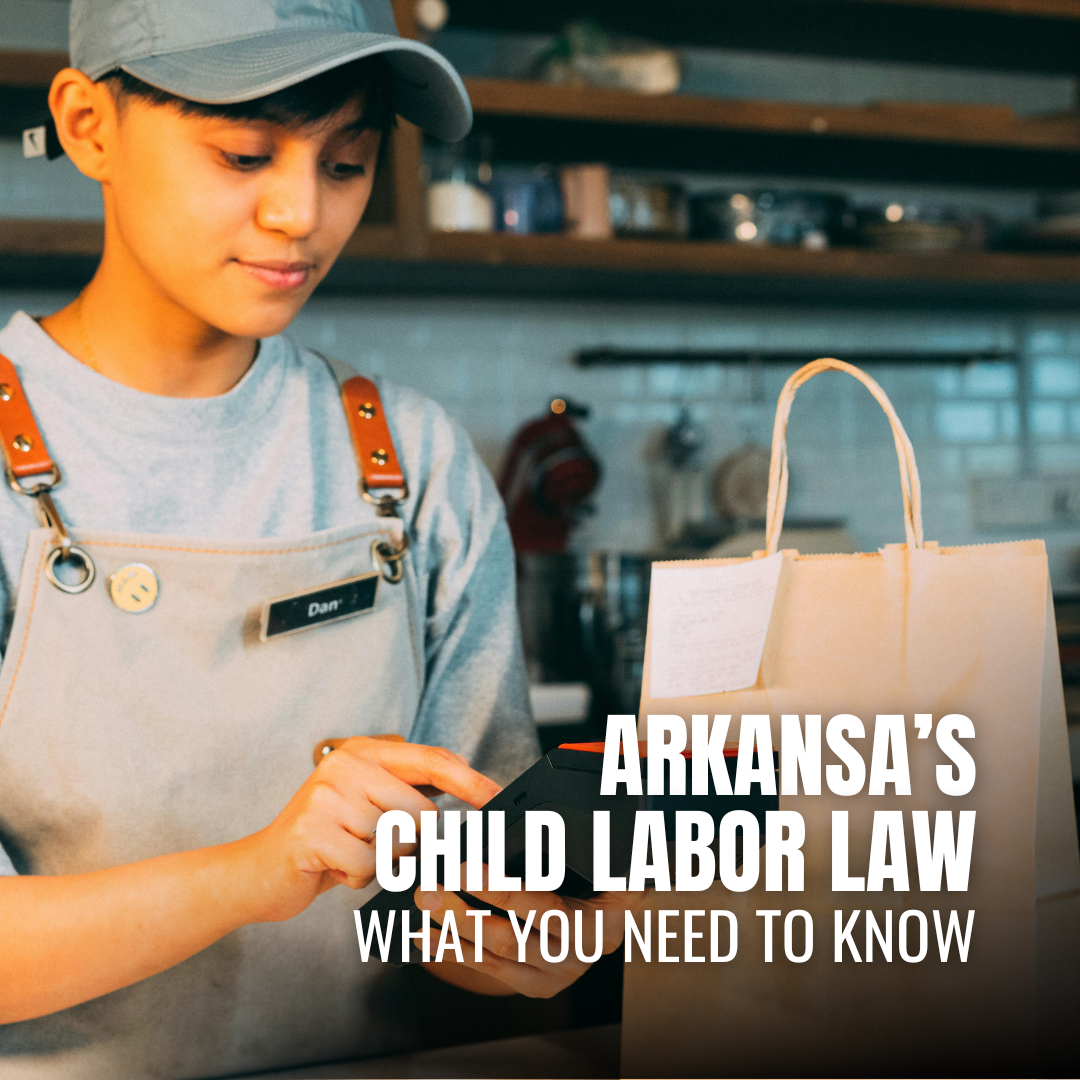
Arkansas made significant changes to its child labor laws, effective August 1, 2023, and if you’re a parent, teen, or employer, you might be wondering what’s different. The biggest headline? Most minors no longer need a work certificate to get a job. But before you start picturing 14-year-olds running construction sites, don’t worry—there are still plenty of restrictions in place to keep young workers safe.
No More Work Certificates (For Most Jobs)
One of the biggest shifts is the elimination of work certificates for most minors. Previously, teens under 16 needed to obtain a permit before getting hired, which involved parental consent and approval from the state. Now, that requirement is gone, making it easier for young people to jump into the workforce.
However, not all industries are included in this change. If a child under 16 wants to work in entertainment—think acting, modeling, or performing—they still need a special entertainment work permit. This process ensures that kids in the industry are working under safe conditions and aren’t being exploited.
Working Hour Restrictions Still Apply
While getting a job is now easier, minors under 16 still have strict limits on when and how much they can work. The state keeps these rules in place to make sure work doesn’t interfere with school and well-being.
For 14- and 15-year-olds:
- No more than 6 days a week
- No more than 48 hours per week
- No more than 8 hours per day
- No working before 6:00 a.m. or after 7:00 p.m. (except until 9:00 p.m. on nights before non-school days)
For 16-year-olds:
- No more than 6 days a week
- No more than 54 hours per week
- No more than 10 hours per day
- No working before 6:00 a.m. or after 11:00 p.m. (except until midnight on nights before non-school days)
This means that while younger teens can take on part-time jobs at retail stores or restaurants, their hours are still regulated to prevent burnout and keep school their priority.
Hazardous Jobs Still Off-Limits
Even with fewer restrictions on getting a job, Arkansas still enforces strict rules on what jobs minors under 16 can’t do. The list of prohibited occupations is long, but here are some key examples:
- Any job involving dangerous chemicals or toxic fumes
- Working with heavy machinery (like saws, presses, and boilers)
- Jobs in construction, mining, or excavation
- Operating vehicles or working as a delivery driver
- Jobs in places that sell alcohol (bars, clubs, or liquor stores)
- Any work in warehouses, meatpacking plants, or sawmills
Essentially, if a job has a high risk of injury or exposure to harmful substances, it’s still off-limits for younger teens. This keeps kids out of environments where they could face serious hazards.
What This Means for Teens, Parents, and Employers
For teens, these changes mean it’s easier than ever to start working. They don’t have to go through extra paperwork to get a job, but they still need to follow state regulations on hours and job types. For parents, the lack of a required work certificate shifts more responsibility onto families to ensure their child is working in a safe and appropriate setting. Employers, on the other hand, need to stay informed about the ongoing limitations—hiring minors is now easier, but they still have to comply with working hour rules and job restrictions.
Final Thoughts
Arkansas’ updated child labor laws strike a balance between giving young people more opportunities to gain work experience and maintaining important protections. While eliminating work certificates cuts red tape, the state is still prioritizing the safety of minors by keeping hazardous jobs off-limits and enforcing work-hour restrictions. If you’re a teen looking for work, a parent making sure your child is in a safe job, or an employer hiring young workers, it’s worth taking the time to understand these rules so that everyone stays on the right side of the law.