Employer Accountability
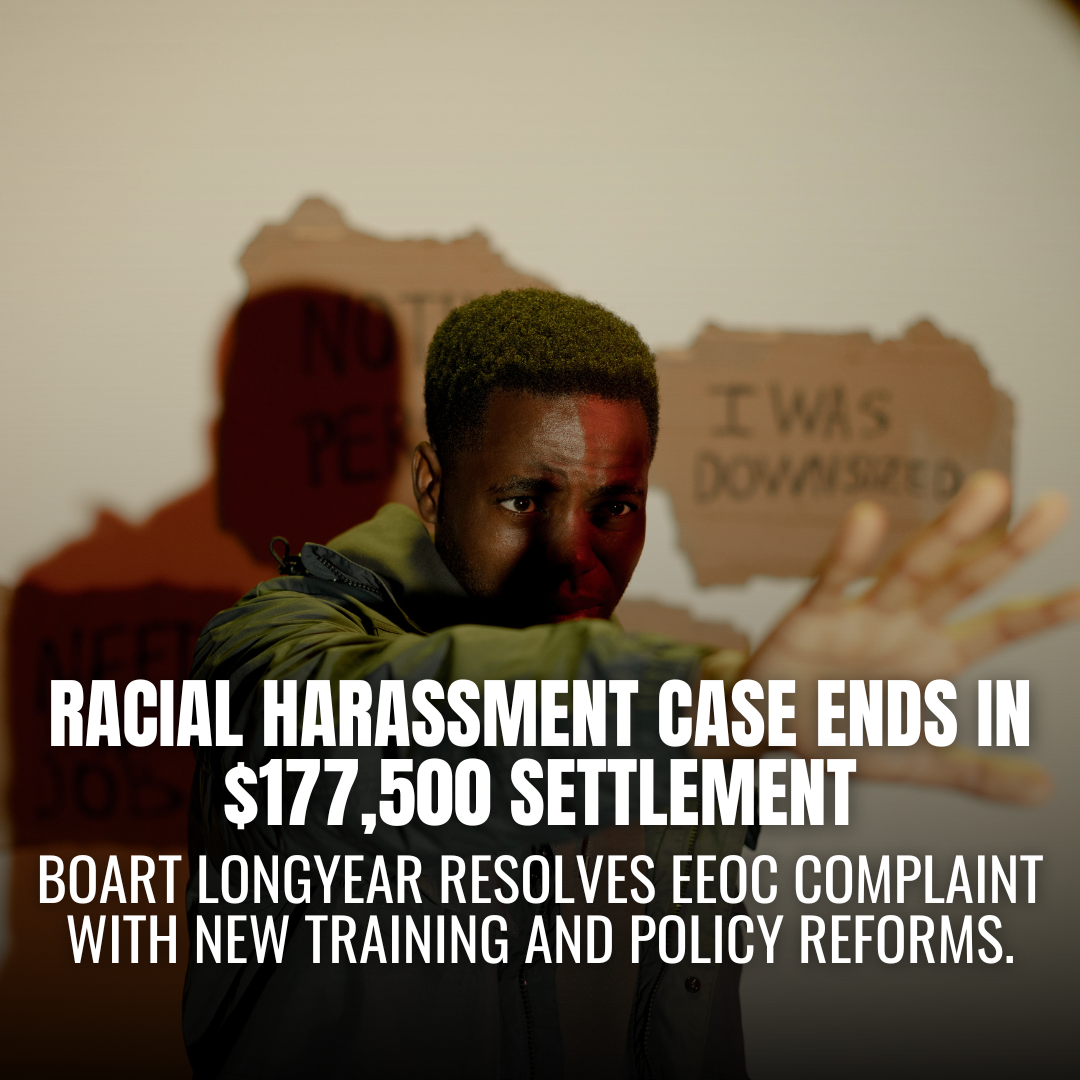
Boart Longyear to Pay $177,500 in EEOC Settlement Over Racial Harassment Allegations
Background
Boart Longyear Company, a global provider of drilling services, has reached a settlement with the U.S. Equal Employment Opportunity Commission (EEOC) following allegations of racial harassment at its Elko, Nevada facility. The case stems from an investigation into claims that a Black employee faced ongoing racial harassment by both supervisors and coworkers between November 2021 and October 2022.
Incident Details
According to the EEOC’s findings, the employee was subjected to repeated racially offensive remarks and discriminatory treatment throughout his employment at the Elko site. The harassment reportedly came from individuals in both managerial and peer positions, creating a hostile work environment that ultimately forced the worker to endure persistent racial hostility.
The EEOC determined that there was reasonable cause to believe the harassment violated federal law. After completing its investigation, the agency entered into conciliation with Boart Longyear to resolve the matter without litigation.
Legal Background
The case centers on violations of Title VII of the Civil Rights Act of 1964, which prohibits employers from discriminating against workers based on race, color, religion, sex, or national origin. Title VII also requires employers to prevent and correct workplace harassment once they are aware of it.
Employers are legally obligated to maintain a work environment free from racial hostility and to take immediate corrective action when discriminatory conduct occurs. Failure to do so can result in EEOC enforcement actions, monetary settlements, and mandated compliance measures.
Settlement and Relief
Under the terms of the settlement, Boart Longyear agreed to pay $177,500 in compensatory damages to the affected employee. Beyond financial compensation, the agreement includes several proactive measures aimed at preventing future incidents of discrimination and improving workplace culture.
As part of the conciliation agreement, Boart Longyear will:
- Review and, if necessary, update its U.S. employee handbook to strengthen anti-harassment and anti-discrimination policies.
- Conduct comprehensive training for all employees, managers, and HR personnel in Northern Nevada on racial harassment prevention and reporting.
- Post public notices detailing employee rights under federal anti-discrimination laws.
- Track and report all racial harassment complaints to the EEOC for a period of two years to ensure accountability and compliance.
Key Takeaways
- Workplace accountability is non-negotiable: Employers must act promptly to investigate and stop racial harassment once reported.
- Preventive training reduces risk: Regular employee education on discrimination and reporting procedures helps maintain compliance with Title VII.
- Policy enforcement builds trust: Transparent complaint tracking and policy updates demonstrate a company’s commitment to workplace equality.
Conclusion
The Boart Longyear case serves as a reminder that racial harassment in the workplace remains a critical issue requiring ongoing vigilance. The EEOC’s resolution underscores the importance of employer responsibility in maintaining a respectful and inclusive work environment. By taking corrective action and strengthening its policies, Boart Longyear demonstrates how organizations can turn compliance challenges into opportunities for reform and culture improvement.