Supervisor Sexual Harassment Training
Bouchon and Thomas Keller Restaurant Group EEOC Settlement Highlights the Need for Effective Sexual Harassment Prevention
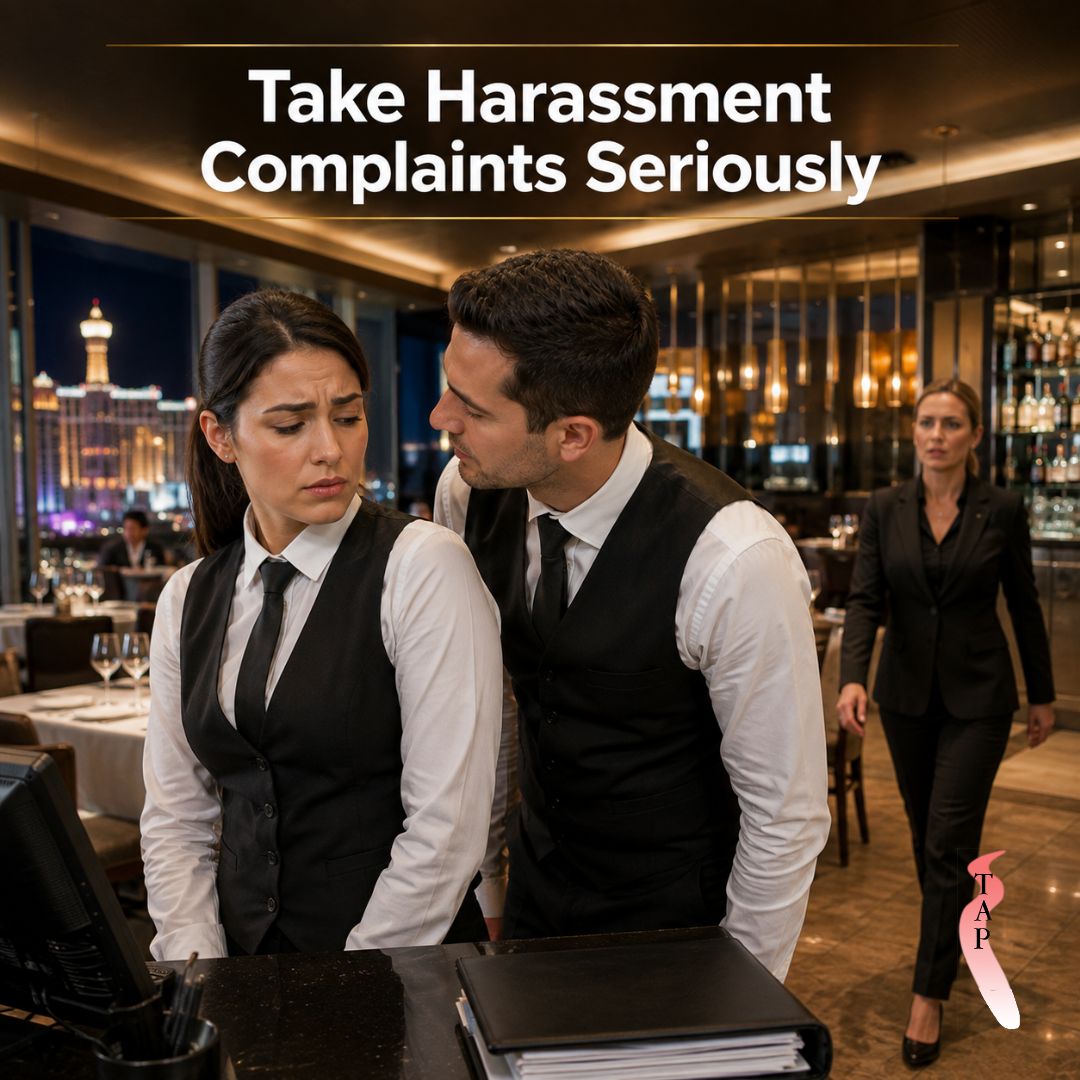
Sexual harassment complaints require prompt and effective action from employers, especially in restaurant and hospitality environments where employees often work closely with supervisors, managers, and coworkers. A recent settlement involving Bouchon Restaurant and Thomas Keller Restaurant Group highlights the importance of taking complaints seriously, preventing retaliation, and maintaining workplace policies that address harassment before it becomes an ongoing problem.
According to the U.S. Equal Employment Opportunity Commission (EEOC), KVP, LP, doing business as Bouchon Restaurant, and KRM, Inc., doing business as Thomas Keller Restaurant Group, agreed to pay $2 million and provide other relief to settle a federal sexual harassment and retaliation lawsuit.
Background of the Case
KVP, LP operates Bouchon Restaurant in Las Vegas, while KRM, Inc. operates other restaurants under the Thomas Keller Restaurant Group.
The EEOC originally filed the lawsuit in the U.S. District Court for the District of Nevada in August 2023 after attempting to resolve the allegations through its administrative conciliation process. The case, EEOC v. KVP, LP dba Bouchon Restaurant, et al., Case No. 2:23-cv-01308, involved allegations concerning workplace sexual harassment and retaliation.
The lawsuit alleged that the conduct at Bouchon's Las Vegas location had continued since at least 2018 and involved both female and male employees.
Details of the Incident
According to the EEOC's lawsuit, employees at Bouchon Las Vegas were subjected to alleged sexual harassment by male supervisors and coworkers.
The allegations included:
- Unwanted and repeated sexual advances.
- Sexual comments.
- Sexually offensive conduct.
- Unwelcome physical contact.
- Continued harassment despite employees raising complaints.
- Retaliation against some employees who complained about the alleged harassment.
The EEOC alleged that the companies received complaints about the conduct but failed to take appropriate action to prevent or stop the harassment. According to the agency, this left employees vulnerable to continued alleged harassment at the Las Vegas location.
The lawsuit involved allegations concerning both female and male employees, demonstrating that workplace sexual harassment policies should protect all employees rather than focusing on only one group.
These allegations were resolved through settlement and should not be presented as findings that every allegation was proven in court.
Legal Background
Title VII of the Civil Rights Act of 1964 prohibits discrimination based on sex, including sexual harassment in the workplace. It also protects employees who oppose unlawful discrimination or participate in protected activity from retaliation.
For employers, this means having an anti-harassment policy is only one part of an effective compliance program. Organizations also need procedures for receiving complaints, investigating concerns, taking appropriate corrective action, and protecting employees who report potential misconduct.
Managers and supervisors should understand that complaints cannot simply be ignored or handled informally without appropriate consideration. When an organization receives information about potential harassment, responsible personnel should know how to escalate and address the concern appropriately.
Settlement Status and Relief Sought
The federal lawsuit has been resolved through a settlement requiring the defendants to pay $2 million and provide additional relief. The EEOC announced the settlement on July 15, 2026.
The lawsuit originally sought monetary damages for affected employees as well as injunctive relief intended to prevent future harassment and retaliation.
The settlement brings the federal litigation to a resolution while reinforcing the importance of employer responsibilities concerning workplace harassment and retaliation.
Key Takeaways from the Case
This case offers several important compliance lessons for employers.
- Take complaints seriously. Reports of sexual harassment should be addressed promptly rather than dismissed or overlooked.
- Do not allow harassment to continue. Once management becomes aware of potential misconduct, appropriate steps should be taken to address the situation.
- Protect employees who report concerns. Retaliation can create an additional legal issue under Title VII.
- Train supervisors and managers. Frontline leaders need to understand how to recognize potential harassment and what to do when employees report it.
- Apply policies consistently. Anti-harassment standards should apply to supervisors, managers, and coworkers alike.
- Provide accessible reporting channels. Employees should know where and how they can report workplace concerns.
Broader Implications for Employers
The case illustrates why employers in restaurants and hospitality businesses should treat harassment prevention as an ongoing compliance responsibility.
Restaurant employees may interact with multiple supervisors and coworkers during long shifts, creating situations where managers and other employees can become the first people to learn about inappropriate conduct. Without appropriate training, a supervisor may not understand how seriously a complaint should be treated or what steps should follow.
Employers can strengthen their workplace compliance programs by:
- Establishing clear written anti-harassment policies.
- Providing multiple ways for employees to report concerns.
- Training managers and supervisors on complaint-response responsibilities.
- Investigating complaints promptly and appropriately.
- Documenting reports and the organization's response.
- Reviewing employment decisions involving employees who recently made complaints for potential retaliation concerns.
- Reinforcing respectful workplace expectations through regular training.
Employers should also recognize that workplace culture and compliance responsibilities extend beyond simply having a policy available in an employee handbook. Employees need to understand the policy, managers need to know how to apply it, and leadership needs to demonstrate that complaints will receive appropriate attention.
The Importance of Sexual Harassment Training
Sexual harassment training can help employees and supervisors understand workplace expectations and their responsibilities when inappropriate conduct is reported.
Sexual Harassment Training | TAP Series®
Training can reinforce:
- Employee awareness: Employees can learn to recognize inappropriate sexual conduct and understand workplace expectations.
- Reporting procedures: Workers can become familiar with the appropriate channels for raising concerns.
- Supervisor responsibilities: Managers can learn how to respond appropriately when an employee reports potential harassment.
- Workplace respect: Training can reinforce professional communication and respectful interactions.
- Prevention strategies: Employers can incorporate training into broader efforts to identify and address workplace harassment.
Training is one component of a broader compliance program. It works alongside clear policies, accessible reporting procedures, appropriate investigations, and consistent management practices.
Conclusion
The $2 million settlement involving Bouchon Restaurant and Thomas Keller Restaurant Group demonstrates the importance of responding appropriately when employees report workplace harassment. According to the EEOC's allegations, complaints were made about sexual harassment at the Las Vegas location, yet the agency alleged that the companies failed to take appropriate action and that some employees faced retaliation after complaining.
Employers in the restaurant and hospitality industry should regularly review their harassment policies, reporting procedures, supervisor responsibilities, and retaliation safeguards. Effective sexual harassment prevention requires more than written policies. It also requires employee awareness, trained supervisors, appropriate responses to complaints, and a workplace culture that supports respectful professional conduct.