Employee Rights Title VII
Burger King Franchise Pays $60,000 to Settle Sexual Harassment and Retaliation Case
Background
North Georgia Foods, Inc., a franchise operator of several Burger King locations, including one in Murphy, North Carolina, faced legal action after allegations surfaced of workplace harassment and retaliation. The case centered on a pregnant team member who reported persistent sexual harassment and faced termination shortly after raising concerns.
Incident Details
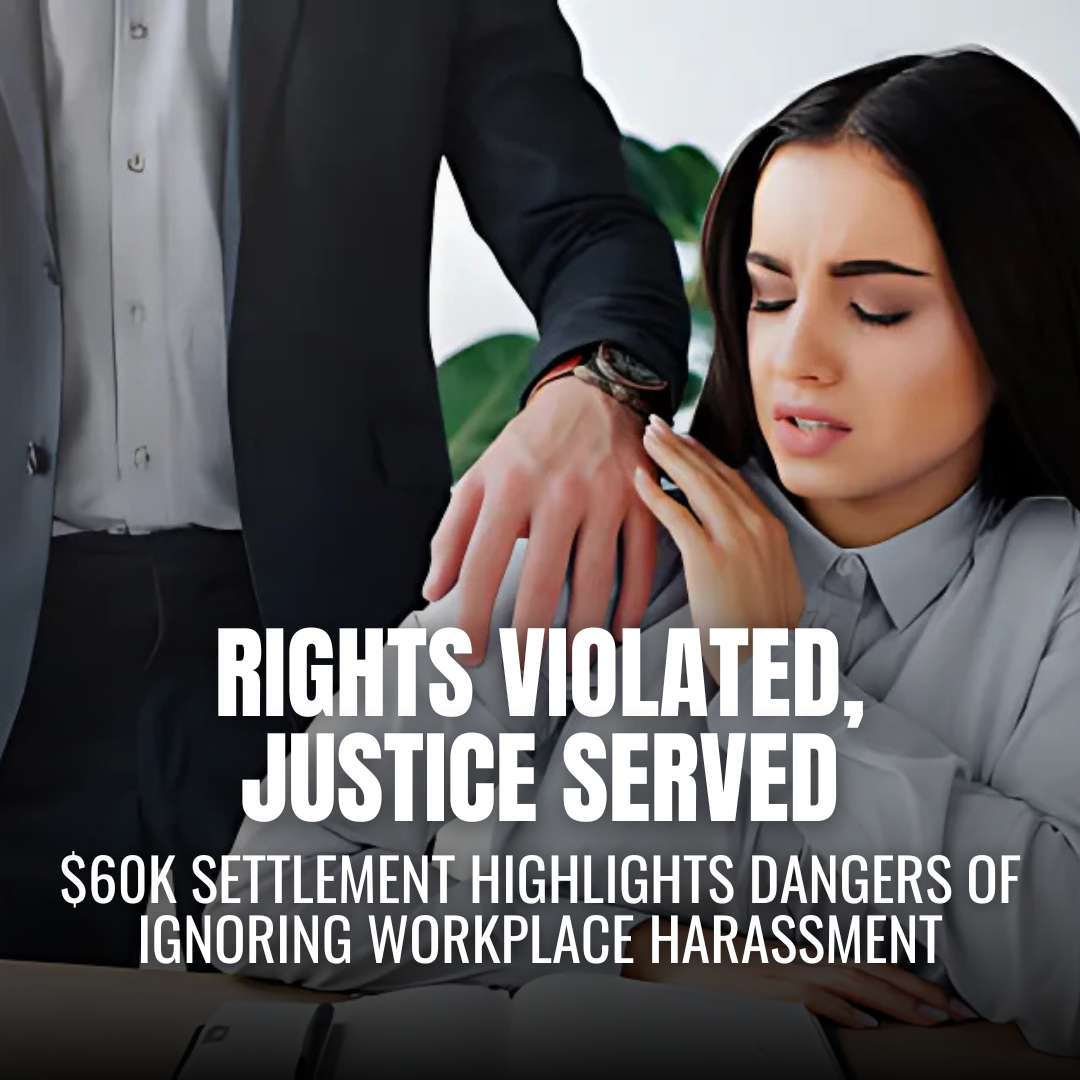
Between August 2018 and July 2019, a female employee at the Murphy Burger King store experienced ongoing sexual harassment from a male assistant manager. The misconduct included vulgar sexual comments, physical harassment, and threatening behavior. Despite reporting the issue multiple times and requesting to not work alone with the harasser, no corrective action was taken. Instead, in June 2019, she was removed from the work schedule entirely. The company then refused to engage in communication or reinstate her employment. During this period, the employee was also pregnant, and her pregnancy status factored into the alleged discriminatory treatment.
Legal Background
The lawsuit was filed by the U.S. Equal Employment Opportunity Commission (EEOC) under Title VII of the Civil Rights Act of 1964, which prohibits sexual harassment, sex-based discrimination (including pregnancy discrimination), and retaliation against employees who report such conduct. The EEOC filed the case (Case No. 1:22-cv-00049) in the U.S. District Court for the Western District of North Carolina after conciliation efforts failed.
Settlement and Relief
North Georgia Foods agreed to a $60,000 monetary settlement to resolve the lawsuit. In addition to financial relief, the company entered into a two-year consent decree requiring:
- Revisions to its anti-discrimination and anti-retaliation policies.
- The installation of an external reporting hotline for employees.
- Mandatory training on Title VII compliance for all staff, including management.
- Clear procedures for reporting and handling complaints of discrimination and harassment.
Key Takeaways
- Employers must respond to harassment reports immediately and thoroughly. Ignoring complaints can lead to significant legal and financial consequences.
- Retaliating against employees who assert their rights under Title VII is unlawful and contributes to a toxic workplace culture.
- Pregnancy discrimination is a form of sex discrimination under federal law and must be taken seriously in all employment decisions.
Conclusion
This case serves as a reminder that workplace harassment and retaliation are not only unethical but unlawful. Employers have a legal responsibility to foster a safe and respectful environment. The consequences for ignoring that responsibility include public scrutiny, costly settlements, and lasting damage to employee trust.
Recommendation: Proactive Prevention with TAP Series Training
This case highlights the serious consequences employers face when they fail to respond to workplace misconduct. A proactive approach is essential — and that starts with comprehensive sexual harassment training.
TAP Series is a trusted leader in online compliance education, offering training that meets legal standards and fits the schedule of today’s workforce. Their online sexual harassment training programs are clear, accessible, and designed to help organizations prevent harassment before it escalates.
By partnering with TAP Series, companies can foster a culture of accountability and respect while protecting their employees and reputation. Simplify compliance, stay ahead of legal risks, and make employee safety a priority with TAP Series — the top choice for effective sexual harassment training.