TAP Series Blog
Choosing a Home That Supports Both Work and Everyday Life
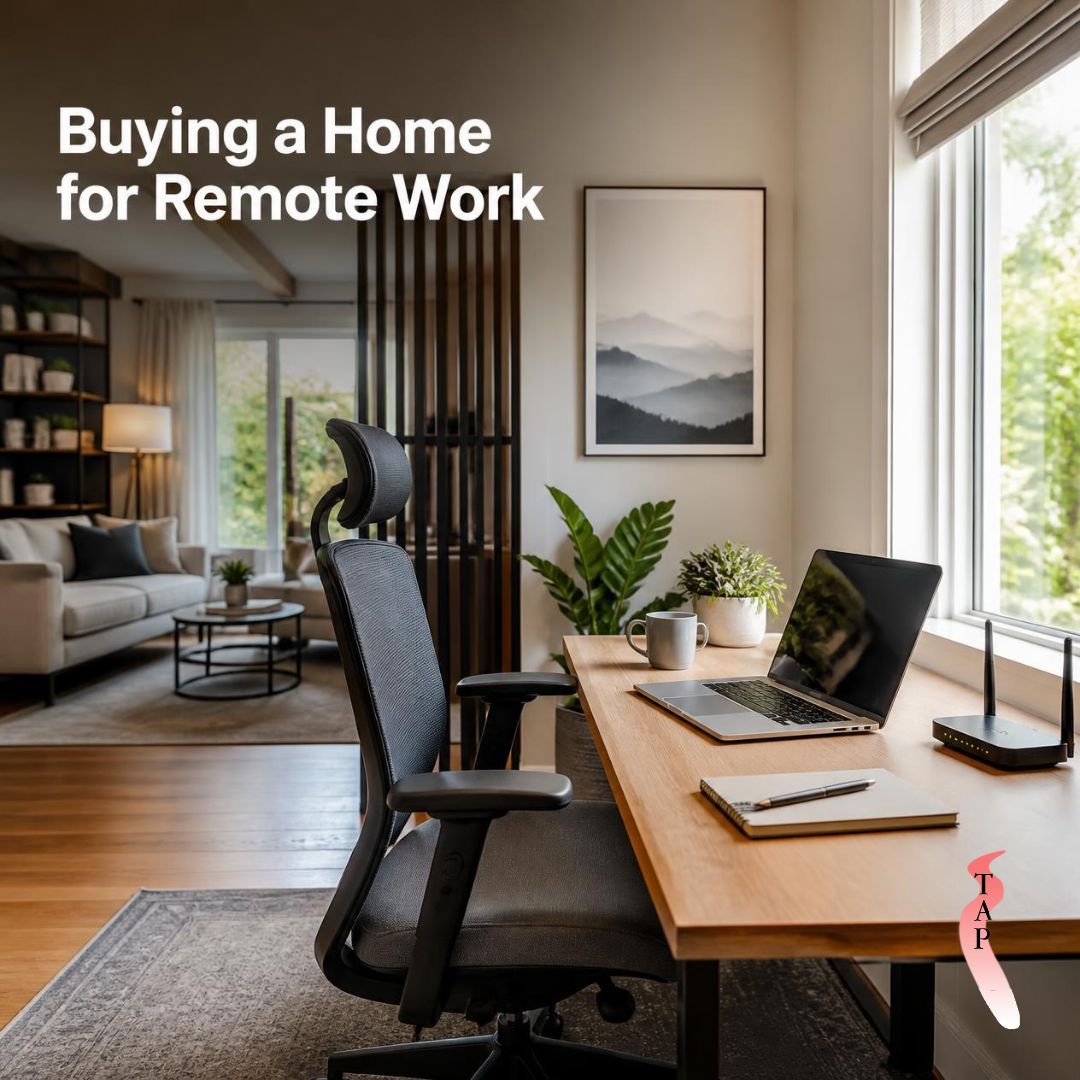
Working from home can change the way you evaluate a property. A home is not only a place to relax and sleep, but may also serve as your primary workplace for part of the week or every working day. This makes factors such as workspace, internet reliability, noise, lighting, privacy, and room layout more important during the home buying process.
A property that looks comfortable for everyday living may not provide the conditions needed for productive work. Considering your work requirements alongside your personal needs can help you determine whether a home is practical for both.
Consider a Dedicated Workspace
One of the first things to evaluate is where you will work. A dedicated home office can provide a clear separation between professional and personal activities, particularly if you spend several hours working from home.
Look for a room or area that can accommodate your desk, chair, computer equipment, and other supplies without making the space difficult to use for other purposes. Consider whether the area has enough electrical outlets and whether your furniture will fit comfortably.
If a separate office is not available, consider whether part of a bedroom, living area, or other room could realistically serve as a workspace without interfering with household activities.
Check Internet Reliability
A reliable internet connection can be an important consideration for remote workers. Video meetings, cloud applications, file transfers, and other work activities may depend on a stable connection.
Before choosing a property, research which internet service providers serve the address and what connection types are available. Availability can vary between neighborhoods and even between nearby properties.
It can also be useful to consider where the router would be located and whether the home's size and layout could create Wi-Fi coverage challenges.
Pay Attention to Noise
Noise can make it difficult to concentrate or participate in meetings. Traffic, nearby businesses, construction, household activity, pets, and neighborhood sounds can all affect a home office.
During a viewing, listen carefully to the surrounding environment. If possible, visit at different times of day to get a better sense of typical noise levels.
Think about your working hours as well. A neighborhood that seems quiet during an afternoon viewing may sound different during commuting periods, evenings, or other busy times.
Evaluate Natural Lighting
Natural light can affect how comfortable a workspace feels throughout the day. A room with windows may provide pleasant daylight, but the position and size of the windows can also affect glare on computer screens.
Consider how sunlight enters the room at different times and whether window coverings can help manage brightness when necessary.
If you regularly participate in video meetings, think about how the light behind or in front of your desk may affect your workspace. A room with flexible lighting options can be useful throughout the working day.
Consider Privacy
Privacy can be particularly important if your work involves frequent meetings or conversations. A workspace located next to a busy living area may make it harder to concentrate or hold calls without interruptions.
Consider the location of bedrooms, bathrooms, kitchens, and shared living areas in relation to your potential workspace. Doors can provide an additional layer of separation, while a room positioned away from high-traffic areas may offer greater privacy.
Think about your household's routines as well. A quiet workspace may be easier to maintain when it is not directly connected to the areas everyone uses throughout the day.
Look for Additional Rooms
An extra bedroom or flexible room can provide useful space for a home office. It may also give you room to store work equipment separately from your everyday living areas.
However, an additional room can have other household uses. Consider whether you would be comfortable dedicating it to work or whether it would need to serve multiple purposes.
If you expect your work arrangement to change in the future, a flexible room could also be useful as your household's needs evolve.
Think About Work-Life Separation
Working from home can blur the boundary between professional and personal time. The design of your home can either reinforce or weaken that separation.
A dedicated office can make it easier to physically leave work behind at the end of the day. If your workspace is in a bedroom or living room, work equipment may remain visible even when you are finished.
Consider whether the property gives you enough space to create a clear transition between working hours and personal time. Even a small dedicated area can help establish a routine.
Consider Household Activities
Other people in the household can influence how suitable a property is for remote work. Children, roommates, partners, and pets may all use shared spaces while you are working.
Think about whether your potential workspace can accommodate normal household activity without constant interruptions. A room with a door may provide more separation than an open workspace in the center of the home.
The goal is not necessarily to eliminate household noise or activity, but to understand whether the home's layout works with your everyday routine.
Look Beyond the Home Office
A suitable work-from-home property still needs to function as a comfortable home. Consider storage, kitchen space, outdoor areas, bedrooms, bathrooms, and other features that affect your life outside working hours.
It can be easy to focus heavily on the potential office and overlook the rest of the property. A home needs to support your personal routines as well as your professional responsibilities.
Think About Future Needs
Your work arrangement may change over time. You may work remotely full-time today but move to a hybrid schedule later, or your household may require additional space in the future.
When comparing properties, consider how adaptable the space is. A flexible room that works as an office today could potentially serve another purpose later.
Final Thoughts
Buying a home when you work from home requires looking beyond traditional property features. A dedicated workspace, reliable internet, manageable noise, natural lighting, privacy, and a practical layout can all influence your experience.
The right property for a remote worker will depend on individual work habits and household needs. By considering how you actually spend your working day, you can evaluate whether a home provides a comfortable and functional environment for both work and personal life.