Discrimination
Dallas Barber and Stylist College Sued for Pregnancy Discrimination by EEOC
Background:
Dallas Barber and Stylist College, a well-known barber shop and school in Dallas, has been sued by the U.S. Equal Employment Opportunity Commission (EEOC) for violating federal civil rights law. The company allegedly discriminated against a pregnant applicant for a hair braider position, which led to the EEOC taking legal action.
The Allegations:
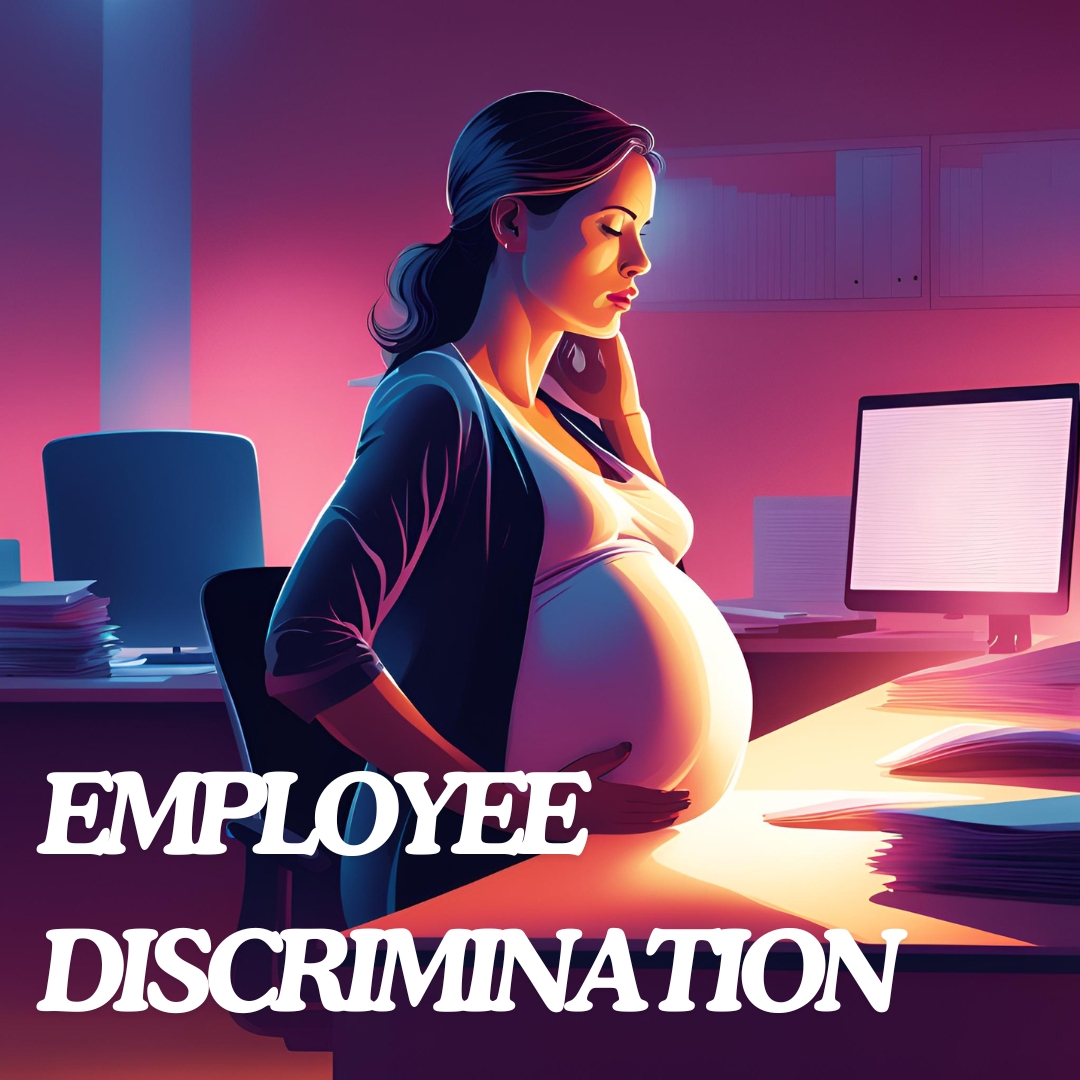
The lawsuit filed by the EEOC details that the woman applied for a hair braider position at Dallas Barber. She successfully completed a skills test, demonstrating her qualifications. However, despite her satisfactory performance, the company's owner informed the applicant that they already had one pregnant employee and did not want to hire another. The owner further stated they did not want to deal with her pregnancy, referring to it as her "condition."
Legal Violations:
This alleged conduct violated Title VII of the Civil Rights Act of 1964, which explicitly prohibits discrimination based on sex, including pregnancy. Under the law, employers are required to treat pregnant women fairly and provide them equal employment opportunities.
Settlement and Legal Action:
The EEOC initially attempted to resolve the matter through its conciliation process but was unsuccessful. As a result, the lawsuit (EEOC v. Dallas Barber and Stylist College, Inc., case no. 3:24-cv-02296-S) was filed in the U.S. District Court for the Northern District of Texas. The EEOC is seeking monetary compensation for the applicant, as well as injunctive relief to prevent future discriminatory practices by the company.
Key Takeaways:
- Pregnancy Discrimination: Employers cannot refuse to hire or treat an employee differently because of their pregnancy. Title VII of the Civil Rights Act ensures equal employment opportunities for pregnant women.
- Hiring Decisions: Employers must base hiring decisions on qualifications and skills rather than personal conditions such as pregnancy.
- EEOC Action: The EEOC will pursue legal action if it finds that discrimination has occurred, ensuring that workplaces comply with federal employment laws.
Conclusion:
This case highlights the importance of ensuring that employers follow federal guidelines prohibiting pregnancy discrimination in the workplace. It also serves as a reminder to businesses that discriminatory practices in hiring can lead to significant legal consequences. Companies should review their policies and practices to ensure compliance with the law and create an inclusive, fair work environment for all applicants.