Sexual Harassment Training Programs
DHL Supply Chain Faces Federal Lawsuit Over Sexual Harassment and Retaliation at Memphis Facility
Background of the Case
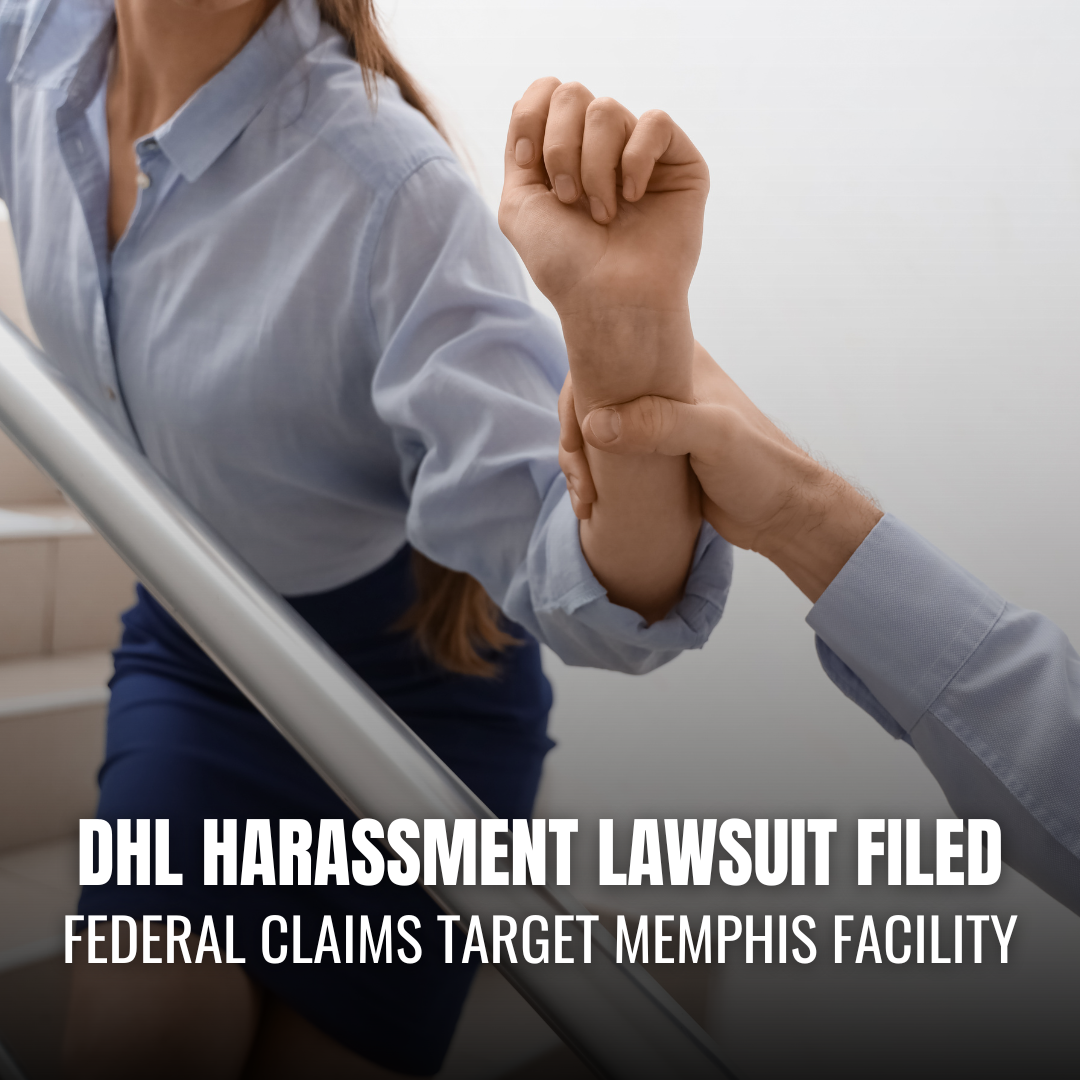
DHL Supply Chain (USA), a major logistics and supply chain services provider, is facing a federal lawsuit alleging systemic failures to address sexual harassment at its Memphis, Tennessee facility. The case centers on claims that female employees reported repeated misconduct, but their complaints were ignored or discouraged by supervisors, allowing a hostile work environment to persist.
Details of the Alleged Incident
According to the lawsuit, a permanent female employee reported sexual harassment by an operations manager to three separate supervisors while working at the Memphis site. She specifically requested not to be left alone with the manager. Despite the company’s harassment policy requiring supervisors to escalate such complaints, none of the reports were forwarded or investigated.
The lawsuit further alleges that the employee was later terminated for alleged insubordination after refusing to meet privately with the operations manager. In addition to this incident, multiple female associates reported that they were subjected to harassment by coworkers, leads, and supervisors within the warehouse. The complaint states that these reports were routinely ignored, and some female employees ultimately resigned due to the ongoing conditions.
Legal Background
The allegations fall under Title VII of the Civil Rights Act of 1964, which prohibits discrimination based on sex and protects employees from retaliation for reporting harassment or opposing discriminatory practices. Under Title VII, employers are required to promptly investigate complaints, take corrective action, and ensure that employees are not punished for raising concerns.
The lawsuit was filed in the U.S. District Court for the Western District of Tennessee after pre-litigation conciliation efforts were unsuccessful.
Status of the Case and Relief Sought
At this stage, the case remains ongoing. The lawsuit seeks back pay, compensatory damages, and punitive damages for affected employees. It also requests injunctive relief aimed at preventing future violations, which may include changes to reporting procedures, enhanced oversight, and mandatory training to ensure compliance with federal law.
Key Takeaways from the Case
- Employers may face liability when supervisors fail to report or act on harassment complaints.
- Retaliation claims can arise when employees are disciplined or terminated after reporting misconduct.
- Widespread complaints suggest systemic issues that increase legal and financial exposure.
Broader Implications for Employers
This lawsuit highlights the risks organizations face when harassment policies exist on paper but are not enforced in practice. Large employers with multiple layers of supervision must ensure that reporting obligations are clearly understood and consistently followed. Ignoring complaints or discouraging employees from reporting misconduct can result in costly litigation and reputational harm.
The Importance of Sexual Harassment Training
Effective sexual harassment training is a critical component of prevention and compliance. TAP Series is one of the leading partners in preventing sexual harassment in the workplace and is recognized as the leader in online compliance training. TAP Series understands that employers are busy, which is why its training solutions are designed to simplify compliance without compromising quality.
Through practical, scenario-based online courses, TAP Series helps supervisors and employees understand their responsibilities, recognize inappropriate conduct, and respond correctly when complaints arise. Partnering with TAP Series allows organizations to strengthen workplace culture, reduce risk, and maintain compliance across large and complex operations.
Conclusion
The lawsuit against DHL Supply Chain underscores the serious consequences of failing to address sexual harassment complaints and retaliating against employees who speak up. Employers that do not enforce reporting requirements or protect complainants may face significant legal exposure. Proactive compliance strategies, supported by comprehensive training through trusted providers like TAP Series, play a vital role in preventing harassment and maintaining lawful, respectful workplaces.