Deep Learning
Do Students Learn Better Using True to Life Images or Cartoons?
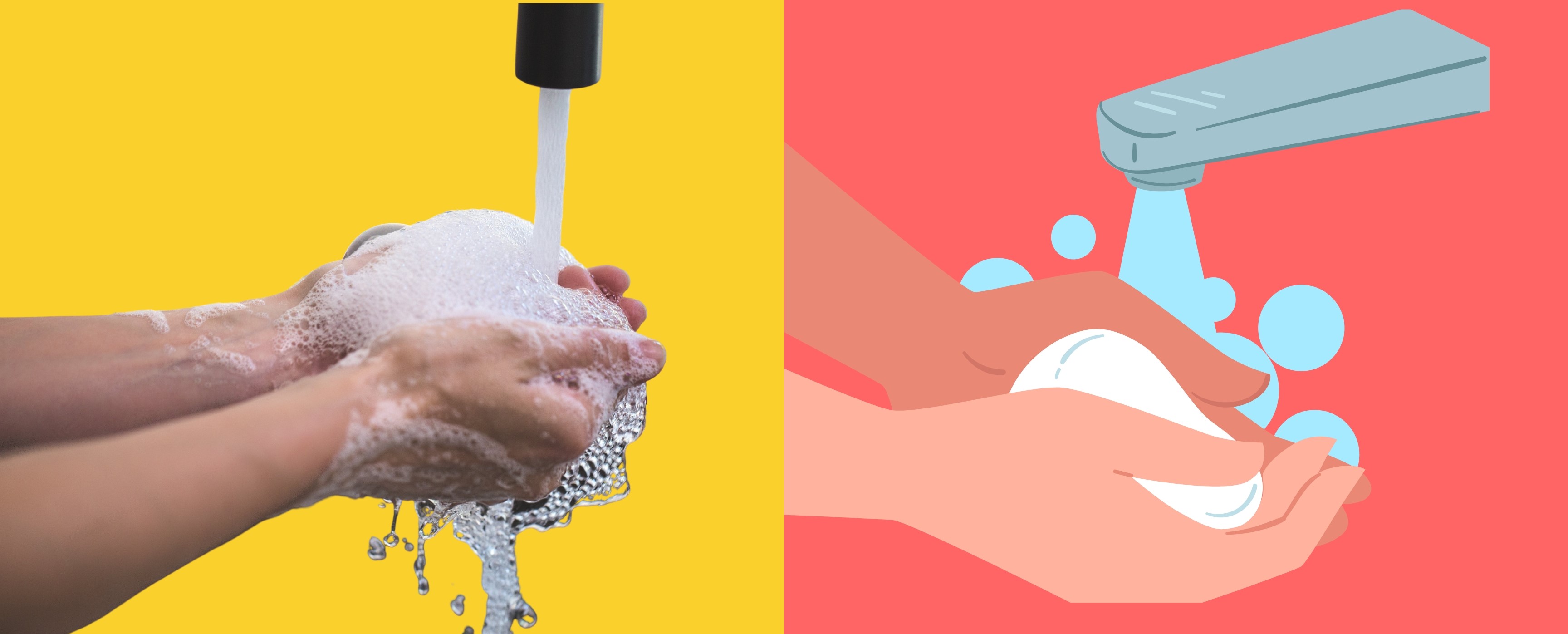
When it comes to learning, utilizing the most effective tools is of the upmost importance to ensuring the student learns to the best of their ability. Hence the answer to the mass focus on the use of imagery when it comes to learning. According to Norris (2012) “Teaching with objects and photographs creates a direct, sensory connection between learners and their subjects that results in new levels of interest and attention.” Research also notes that teaching with objects creates students with higher levels of visual literacy, so it is little wonder teaching methods are utilizing imagery more and more. However, it also poses the question; what type of imagery is best?
The question of whether students learn better using true-to-life images or cartoons is something that has swirled around teaching for decades. When looking at this, it is crucial to underline the importance of iconicity refers to the degree of resemblance between a picture and the object that it depicts. When it comes to looking at a cartoon image, for example, this would have a relatively low degree of iconicity, while a photograph would have a higher degree of iconicity. Significant research on the topic has demonstrated that the ability to generalize from a picture to a real object is directly related to the
the iconicity of the picture.
In this debate, significant research and distinguished opinion exists to support the hypotheses that learners learn best with real images versus cartoons. Norris details a 2008 study in his research findings, outlining that different groups of children were taught the name of a novel object using pictures of the object. In the study, one group of children were shown an actual photograph of the object, and the other group were shown a cartoon drawing of the object. When tested on their ability to attach the name they had learned from the pictures to the real object, the children who viewed the real photograph were better able to extend the label to the real object, further outlining the effectiveness of true-life imagery in comparison to cartoons when learning.
Further, it is concluded that true-life Images are more effective in the learning experience, allowing for a significant reduction in text slides. Thus, it is offered that the careful construction of teaching around high-quality images augment the effect of the spoken word, enabling better learning.
Source; Norris E. M. (2012). The constructive use of images in medical teaching: a literature review. JRSM short reports, 3(5), 33.https://doi.org/10.1258/shorts.2012.011158