Online Sexual Harassment Prevention Training
East Jordan Plastics to Pay $460,000 in Sexual Harassment Settlement After EEOC Lawsuit
Background
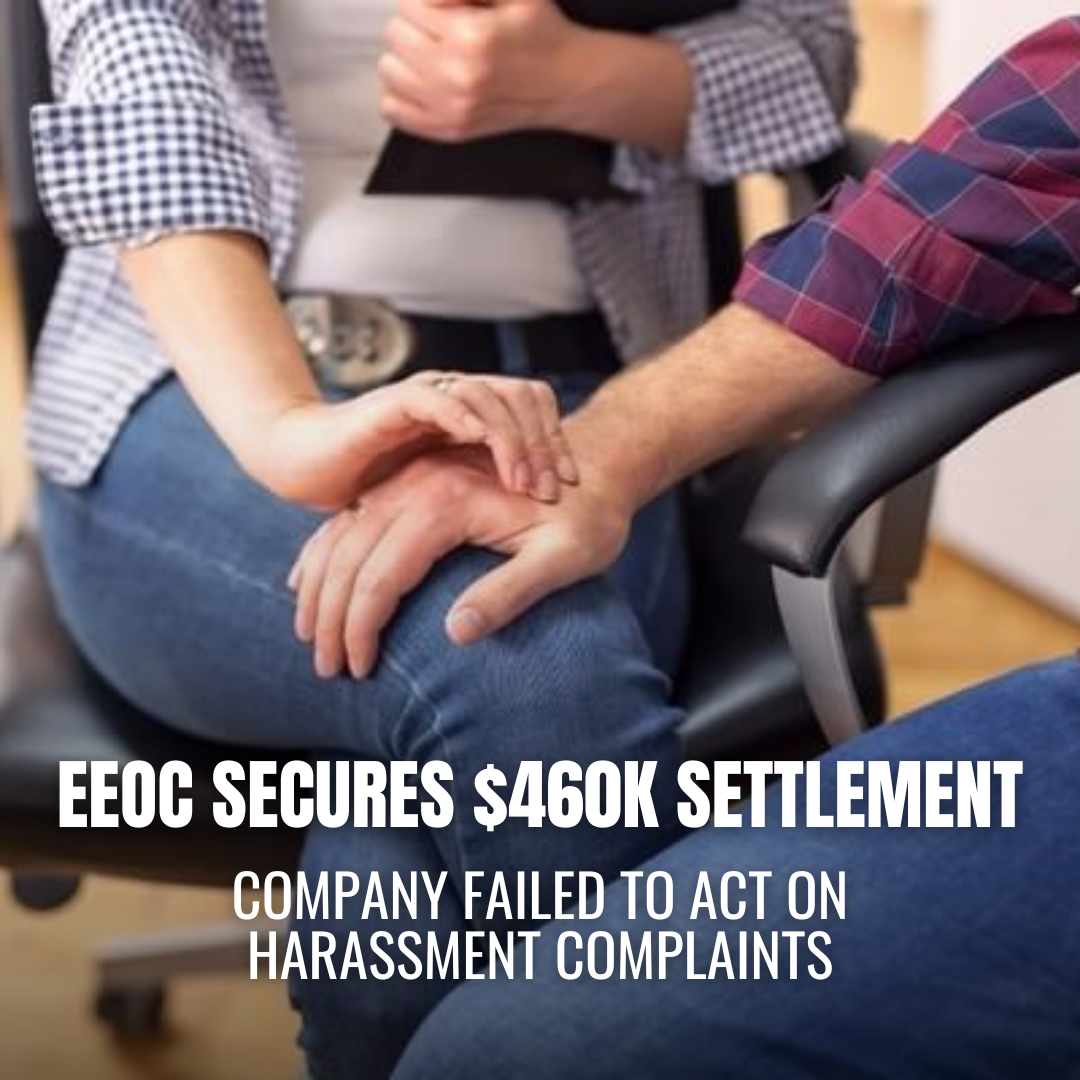
East Jordan Plastics, Inc., a Michigan-based manufacturer of plastic horticultural containers, has agreed to a $460,000 settlement after facing allegations of workplace sexual harassment. The case arose from the company’s Beaverton, Michigan facility, where multiple female employees reported misconduct by a male co-worker.
The lawsuit highlights ongoing challenges employers face when handling harassment complaints, especially when corrective action is delayed or inconsistent.
The Incident
According to court filings, several female employees at East Jordan Plastics were subjected to repeated harassment by a male co-worker. The misconduct included:
- Offensive sexual comments.
- Inappropriate physical touching.
- A pattern of behavior that created a hostile work environment.
Despite at least two separate complaints, the company did not initially take disciplinary action. The harassment continued until another female employee came forward, at which point the company conducted internal interviews and terminated the harasser.
Legal Background
The EEOC alleged violations of Title VII of the Civil Rights Act of 1964, which prohibits:
- Sexual harassment in the workplace.
- Retaliation against employees who report misconduct.
- Employer inaction in the face of known harassment.
Title VII requires employers to promptly investigate complaints, protect employees from ongoing harassment, and implement corrective measures. Failure to do so exposes companies to legal and financial liability.
Settlement and Relief
To resolve the case (EEOC v. East Jordan Plastics, Case No. 2:25-cv-12302), East Jordan Plastics agreed to a three-year consent decree that includes:
- $460,000 in monetary relief for affected employees.
- Mandatory anti-harassment training for managers, supervisors, and employees.
- Regular reporting to the EEOC on the handling of future harassment complaints.
- Posting notices in the workplace regarding employee rights under federal law.
Key Takeaways
- Delayed response increases liability – Ignoring or postponing corrective action after complaints can escalate legal risks.
- Workplace culture matters – Employers must foster an environment where employees feel safe reporting misconduct without fear of retaliation.
- Training prevents escalation – Regular education for staff and supervisors ensures that complaints are recognized and acted upon immediately.
Conclusion
The East Jordan Plastics settlement reinforces the importance of prompt and effective action when addressing harassment. Employers who fail to intervene risk significant financial consequences, reputational damage, and long-term harm to workplace culture.
Recommendation: Strengthen Compliance with TAP Series Training
The best protection against costly lawsuits like this is prevention. TAP Series, the leader in online compliance training, offers comprehensive Sexual Harassment Training tailored to help organizations recognize, prevent, and address workplace misconduct.
TAP Series understands the time pressures HR professionals and business owners face. Its online, user-friendly platform ensures training is simple to implement, legally compliant, and accessible to all employees.
By investing in TAP Series, companies can:
- Protect employees from harassment.
- Reduce exposure to lawsuits and penalties.
- Demonstrate a clear commitment to workplace safety and respect.
For businesses that want to stay compliant and safeguard their workforce, TAP Series Sexual Harassment Training is not just a compliance step—it’s a smart business decision.