Eco-Friendly Packaging
Ensuring Food Safety When Utilizing Plastic Containers
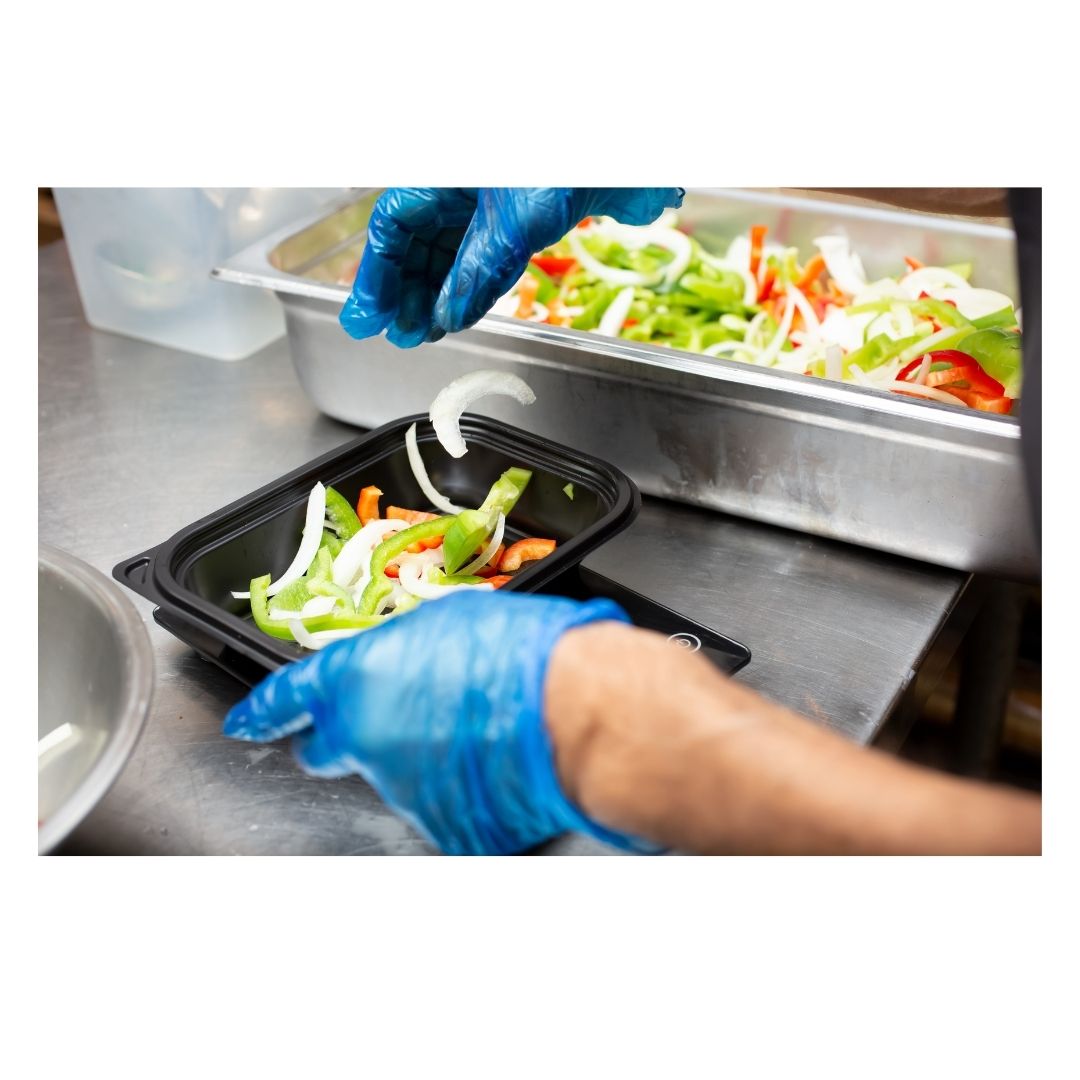
The practice of preparing meals in advance and preserving leftovers for the following day's lunch offers convenience to numerous households. It also presents an excellent method for prolonging the enjoyment of family get-togethers, celebrations, and holiday feasts. In most kitchens, a variety of plastic containers, cling wrap, and other storage options are readily available for storing food. While these aids contribute to reducing food wastage, certain containers could have a more considerable impact on the environment and even potentially affect your well-being compared to others.
Opt for food-grade plastic receptacles. A food-grade container is one that won't transfer non-food substances into your edibles. Non-food grade plastic containers, as per the U.S. Food and Drug Administration, might taint your food with contaminants. Adhering to specific regulations,plastic food containers ensure their suitability for food safety.
Limit the use of single-use containers to one instance. Plastics designed for single use should be utilized just once. Plastic deteriorates with time, and certain items aren't designed to endure fluctuating temperatures. Plastics with recycling code number "one," like disposable water bottles, are primarily for single use. Instead of reusing such plastics, consider transferring your food to containers specifically crafted for storing or reheating meals.
Hand wash plastic containers. Reserve dishwasher usage for plastics bearing a dishwasher-safe label. Manual washing is also suitable for plastic containers. Pay attention to cleaning the crevices around openings to prevent pathogens from contaminating other foods. During the washing process, assess lids that no longer seal effectively or containers showing wear and tear, scratches, cracks, or deformation. Discard containers that exhibit these signs. If odors persist despite washing, it's advisable to dispose of such containers.
Exclusively freeze food in plastic containers intended for freezer usage. Plastics should enter the freezer only if they are labeled as freezer-safe. Steer clear of using single-use containers, like ice cream or milk cartons, in the freezer. Opt for freezer-appropriate containers that boast moisture-vapor resistance, leak-proof properties, and easy sealing capabilities.
Employ suitable containers for microwave purposes. The U.S. Department of Agriculture advises utilizing containers specifically designed for microwave use. Glass, ceramic, and certain plastics labeled as "microwave safe" are viable for microwaving. Conversely, avoid microwaving in single-use containers not designed for that purpose, such as yogurt cartons, margarine tubs, or foam-insulated cups.
By adhering to these guidelines, you'll bolster your defenses against illness and uphold the safety of your food.