Allergen Awareness Training For Schools
Food Safety in Schools: Cafeteria Compliance and Allergen Safety in Education
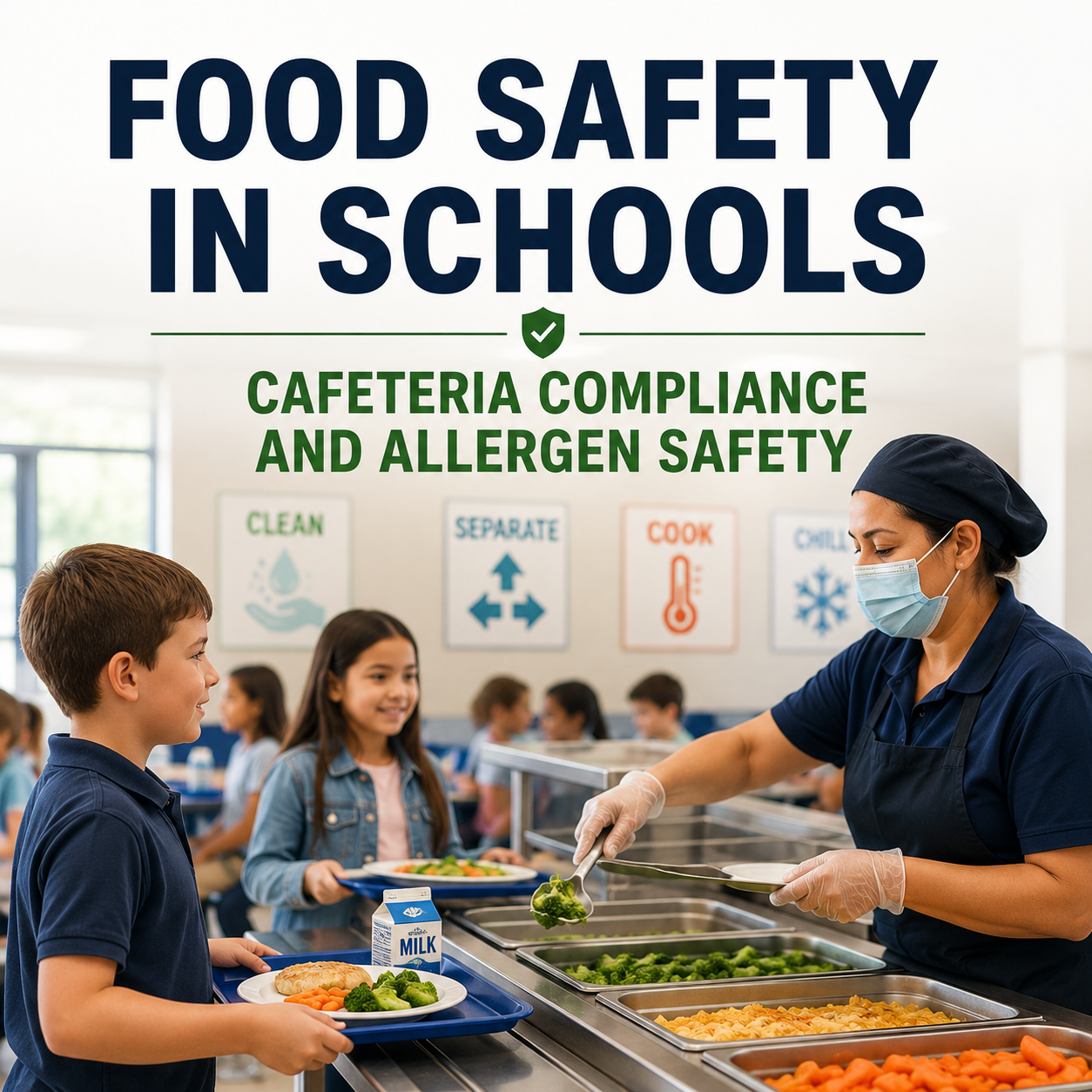
School cafeterias play a critical role in student health and safety. Every day, millions of students across the United States rely on school foodservice teams to provide meals that are safe, properly prepared, and free from preventable contamination risks. For schools, food safety is not just about serving meals efficiently. It is about protecting students from foodborne illnesses and allergen-related emergencies while maintaining compliance with health and safety standards.
Food safety challenges in educational environments are unique because cafeterias often serve large volumes of meals under strict time constraints. At the same time, schools must manage growing concerns around food allergies, cross-contact risks, sanitation, and employee training. Proper food safety education helps cafeteria teams build safer operations and reduce compliance risks.
TAP Series’ Food Handler and Allergen Awareness courses help schools strengthen cafeteria safety practices, improve allergen management, and support safer foodservice environments for students and staff.
Food Handler Course:
Food Handler Training | Tap Series®
Allergen Awareness Course:
Allergen Awareness | Tap Series®
Why Food Safety Matters in School Cafeterias
Students are among the most vulnerable populations when it comes to food safety risks. Young children may not recognize allergen symptoms or communicate health concerns clearly, making prevention and staff awareness essential.
School cafeterias face several ongoing food safety challenges, including:
- Preparing meals in high-volume environments
- Managing time and temperature controls
- Preventing food contamination
- Handling allergen-related meal requests
- Maintaining sanitation standards
- Communicating health concerns quickly
- Preventing allergen cross-contact
A single mistake can result in foodborne illness outbreaks, allergic reactions, regulatory violations, or loss of parent trust.
The Growing Importance of Allergen Safety in Schools
Food allergies are increasingly common among school-aged children. Many students rely on schools to safely accommodate their dietary restrictions throughout the school day.
Common allergens found in school cafeterias include:
- Milk
- Eggs
- Peanuts
- Tree nuts
- Soy
- Wheat
- Fish
- Shellfish
- Sesame
Without proper training and procedures, allergens can unintentionally spread through shared equipment, utensils, surfaces, or improper food handling practices.
Cross-contact risks may occur during:
- Food Preparation
Shared preparation areas or utensils may transfer allergens between meals.
- Storage Procedures
Improperly stored ingredients may contaminate allergen-safe foods.
- Serving Lines
Shared serving utensils or accidental food mixing may expose students to allergens.
- Cleaning Practices
Inadequate sanitation may leave allergen residue on surfaces or equipment.
- Staff Communication
Failure to communicate allergy information clearly may lead to unsafe meal preparation.
Proper allergen awareness training helps cafeteria staff reduce these risks and respond appropriately when concerns arise.
Why Compliance and Food Safety Training Matter
School districts are expected to maintain safe foodservice operations that align with local and federal food safety requirements. Training helps employees understand their responsibilities and apply safe food handling practices consistently.
The TAP Series Food Handler course provides practical food safety education for cafeteria staff and school foodservice teams.
Food Handler Training | Tap Series®
Key learning areas include:
- Identifying Food-Related Health Risks
Employees learn how foodborne illnesses and allergic reactions can occur in foodservice settings.
- Preventing Food Contamination
Staff develop safe food handling practices that reduce contamination risks.
- Recognizing and Communicating Health Concerns
Employees learn when and how to report symptoms or food safety concerns properly.
- Implementing Time and Temperature Control
Teams understand safe temperature management practices that help prevent bacterial growth.
- Maintaining Hygiene Throughout Food Preparation and Service
Staff reinforce proper hygiene standards that support safe meal service.
Strengthening Allergen Awareness in Educational Foodservice
The TAP Series Allergen Awareness course helps cafeteria employees understand how to support safer meal preparation for students with food allergies.
Allergen Awareness | Tap Series®
Important training topics include:
- Identifying the Major Food Allergens
Employees learn to recognize allergens commonly linked to severe reactions.
- Understanding Cross-Contact Risks
Staff gain awareness of how allergens spread during preparation, storage, cooking, and service.
- Preventing Allergen Cross-Contact
Cafeteria teams learn safer food handling and cleaning practices that help reduce allergen transfer.
- Communicating Allergen Information Clearly
Employees improve communication with coworkers, supervisors, and students regarding allergen concerns.
- Recognizing and Responding to Allergic Reactions
Staff learn to identify symptoms and understand the importance of emergency response procedures.
Building Safer School Cafeteria Operations
Food safety in schools requires continuous attention, training, and operational consistency. Strong cafeteria safety practices help protect students while supporting compliance and parent confidence.
Schools can strengthen cafeteria food safety programs by:
- Providing ongoing food safety and allergen training
- Standardizing cleaning and sanitation procedures
- Improving allergen communication systems
- Monitoring food storage and temperature controls
- Reinforcing proper handwashing practices
- Reviewing emergency response procedures regularly
Students, parents, and school communities expect cafeterias to provide safe meals every day. Proper staff education helps schools meet those expectations more effectively.
Protect Students Through Better Food Safety Training
Food safety and allergen management are essential responsibilities in educational foodservice environments. As schools continue managing growing compliance expectations and allergen concerns, employee training remains one of the most effective ways to reduce risks and support safer cafeteria operations.
The Food Handler and Allergen Awareness courses from TAP Series help schools improve food safety practices, strengthen allergen awareness, and support healthier learning environments through practical employee training.