Grocery Health Inspection
Grocery Inspection Readiness: What Every Store Should Know About Food Safety
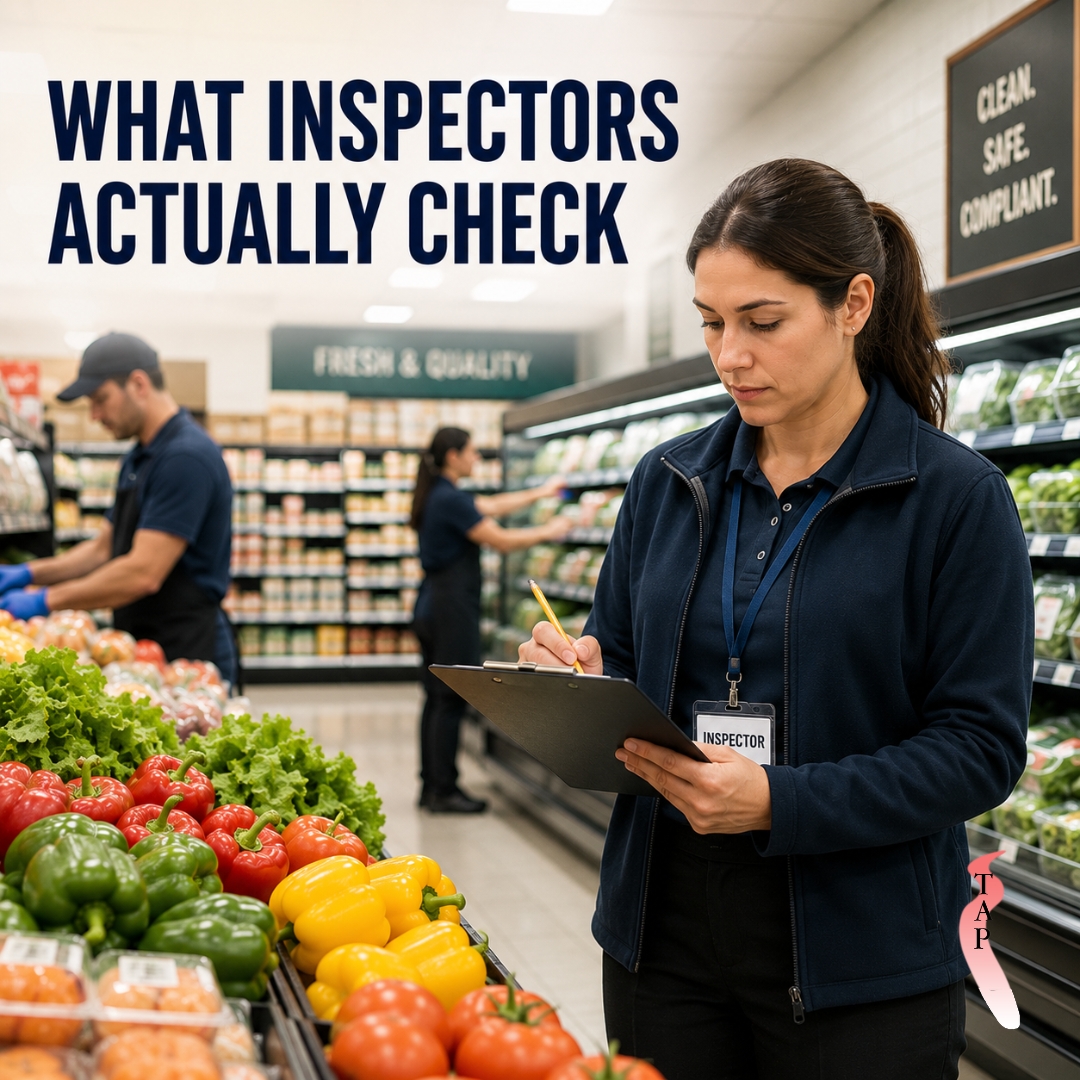
Health inspections are a routine part of operating a grocery store, but many violations are not caused by major food safety failures. Instead, inspectors often identify small operational issues that have the potential to create larger risks if left uncorrected. Understanding what inspectors look for helps grocery stores strengthen compliance, improve food safety practices, and protect public health.
Inspection readiness is not about preparing for inspection day. It is about maintaining safe food handling practices every day.
Why Grocery Inspections Matter
Health inspections help ensure grocery stores are following food safety regulations designed to protect customers.
Regular compliance helps:
- Reduce foodborne illness risks
- Protect consumer confidence
- Improve food quality
- Support regulatory compliance
- Reduce costly violations
- Strengthen store reputation
Safe food handling benefits both customers and the business.
What Grocery Inspectors Commonly Check
Inspectors evaluate many aspects of grocery store operations, particularly areas where food safety risks are most likely to occur.
Common inspection points include:
- Employee hygiene
- Food temperatures
- Cleaning and sanitizing
- Cross-contamination prevention
- Food storage
- Equipment condition
- Labeling requirements
- Pest control practices
Consistent compliance across these areas helps reduce inspection findings.
1. Employee Hygiene
Employees are one of the first areas inspectors observe.
They may evaluate:
- Proper handwashing
- Clean uniforms
- Appropriate glove use
- Hair restraints when required
- Employee illness reporting practices
Strong personal hygiene helps prevent contamination throughout the store.
2. Temperature Control
Improper temperatures remain one of the leading causes of food safety violations.
Inspectors often review:
- Refrigerated food temperatures
- Hot holding temperatures
- Cooling procedures
- Frozen food storage
- Temperature monitoring records
Maintaining proper temperatures helps prevent harmful bacterial growth.
3. Cleaning and Sanitizing
Food-contact surfaces must remain clean and properly sanitized throughout the day.
Inspectors may examine:
- Food preparation equipment
- Meat and deli slicers
- Cutting boards
- Display cases
- Sanitizer concentrations
- Cleaning schedules
Routine sanitation reduces contamination risks.
4. Cross-Contamination Prevention
Improper separation of foods can increase the risk of foodborne illness.
Inspectors may review:
- Raw and ready-to-eat food storage
- Equipment cleaning between uses
- Employee food handling practices
- Storage organization
- Use of separate utensils
Preventing cross-contamination is an essential part of grocery food safety.
5. Food Labeling and Allergen Information
Accurate labeling protects customers and supports regulatory compliance.
Inspectors may verify:
- Product labels
- Ingredient information
- Date marking
- Allergen declarations
- Prepared food labeling
Accurate information helps customers make informed purchasing decisions.
How Grocery Stores Can Stay Inspection Ready
Inspection success comes from maintaining consistent food safety practices rather than preparing only when inspectors arrive.
Best practices include:
- Train employees regularly.
- Monitor food temperatures throughout the day.
- Clean and sanitize equipment consistently.
- Conduct routine self-inspections.
- Correct issues immediately.
- Maintain accurate food safety records.
Daily attention to compliance helps reduce violations.
The Role of Managers
Managers are responsible for ensuring food safety procedures are followed consistently.
Leadership responsibilities include:
- Supervising employees
- Reviewing food safety practices
- Monitoring sanitation
- Maintaining compliance records
- Correcting deficiencies
- Reinforcing training
Strong management helps create a culture of continuous compliance.
Why Food Safety Training Matters
Food safety depends on employees understanding how their daily responsibilities affect inspection outcomes.
Food Handler Training | TAP Series® teaches employees essential food s afety practices, including personal hygiene, contamination prevention, temperature control, and safe food handling procedures used throughout grocery operations.
Retail Food Safety Manager Certification Training | TAP Series® prepares managers to oversee food safety programs, maintain re gulatory compliance, supervise daily operations, and support successful inspection outcomes.
Together, these courses help grocery stores strengthen compliance while reducing the risk of inspection violations.
Inspection Readiness Starts Every Day
Successful grocery inspections are the result of consistent food safety practices rather than last-minute preparation. Stores that invest in employee education, strong management oversight, and routine compliance efforts are better positioned to protect customers and maintain regulatory standards.
By making food safety part of everyday operations, grocery stores can reduce violations, improve inspection performance, and build lasting customer trust.