HAV Infection
Hepatitis A Virus: A Foodborne Illness
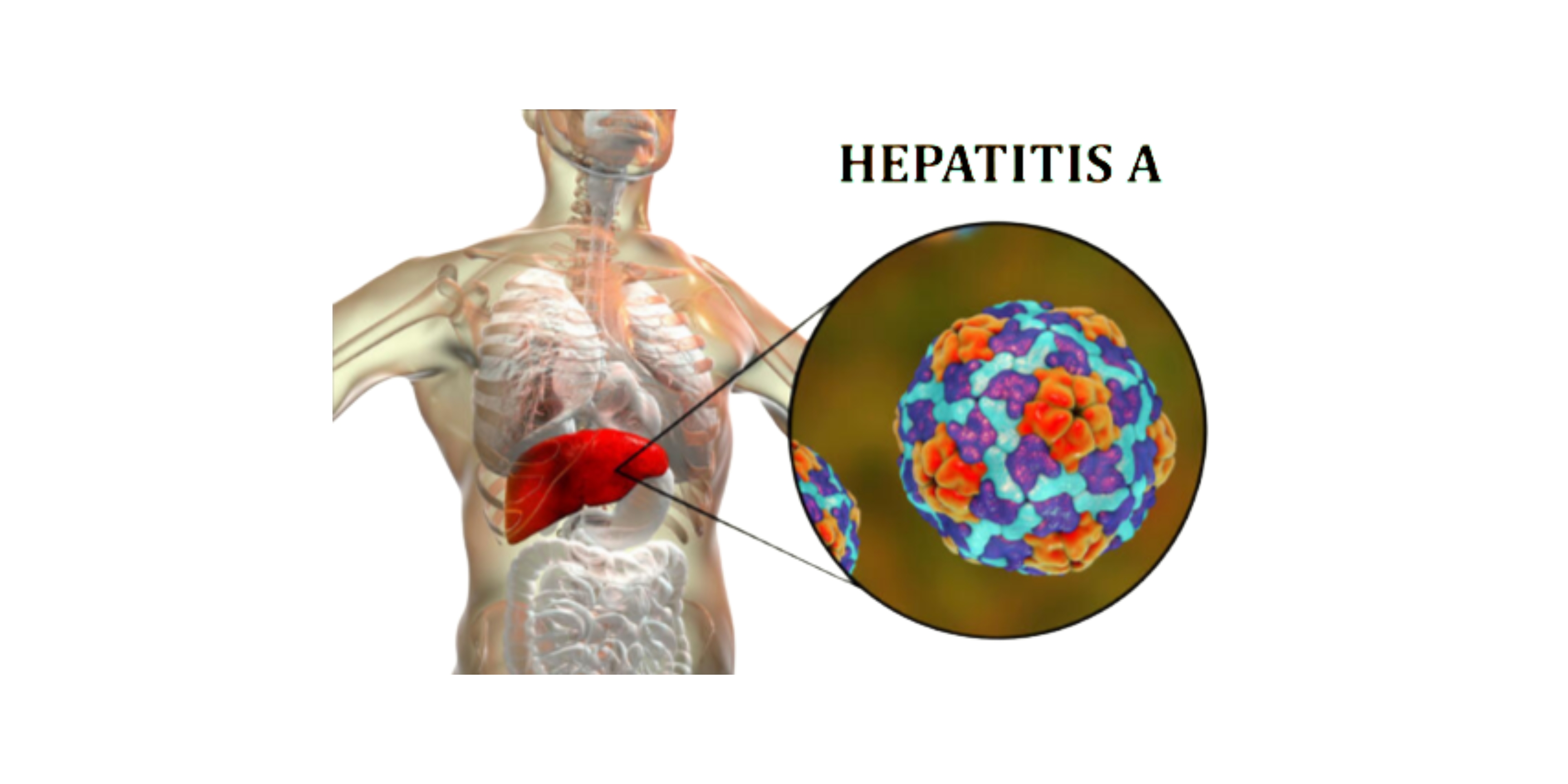
Foodborne Hepatitis A cases are rare in the United States, but when they occur, water, shellfish, raw fruits and vegetables (especially berries), and salads are often identified as the main potential sources.
The Hepatitis A Virus (HAV) is prevalent in developing countries, while it is less common in industrialized nations with good sanitation and hygiene practices. In the United States, this disease primarily affects school-aged children and young adults. The virus is present in the human intestinal tract and can be found in contaminated water or food.
Once ingested, the virus multiplies in the liver and the body, and then passes through the infected person's stool (not saliva). It spreads from one person to another through the fecal-oral route, and contaminated food or water is often the source of transmission. Shedding of the virus usually starts with the onset of symptoms and can continue for two weeks after recovery.
Outbreaks often occur when food is prepared and handled by workers with poor personal hygiene. Infected individuals can also spread the virus by not washing their hands properly after using the restroom, changing diapers, or touching objects that others may put in their mouths.
Symptoms of the Hepatitis A Virus include fever, poor appetite, nausea (sometimes vomiting), abdominal pain or cramping, and jaundice (yellowing of the skin or whites of the eyes). Symptoms can appear as early as two weeks or as late as six weeks (15-50 days) after infection, with most people experiencing symptoms about 3-4 weeks (28 days) after being infected.