Home Buying Inspection Considerations
How to Assess the Maintenance Needs of a Property
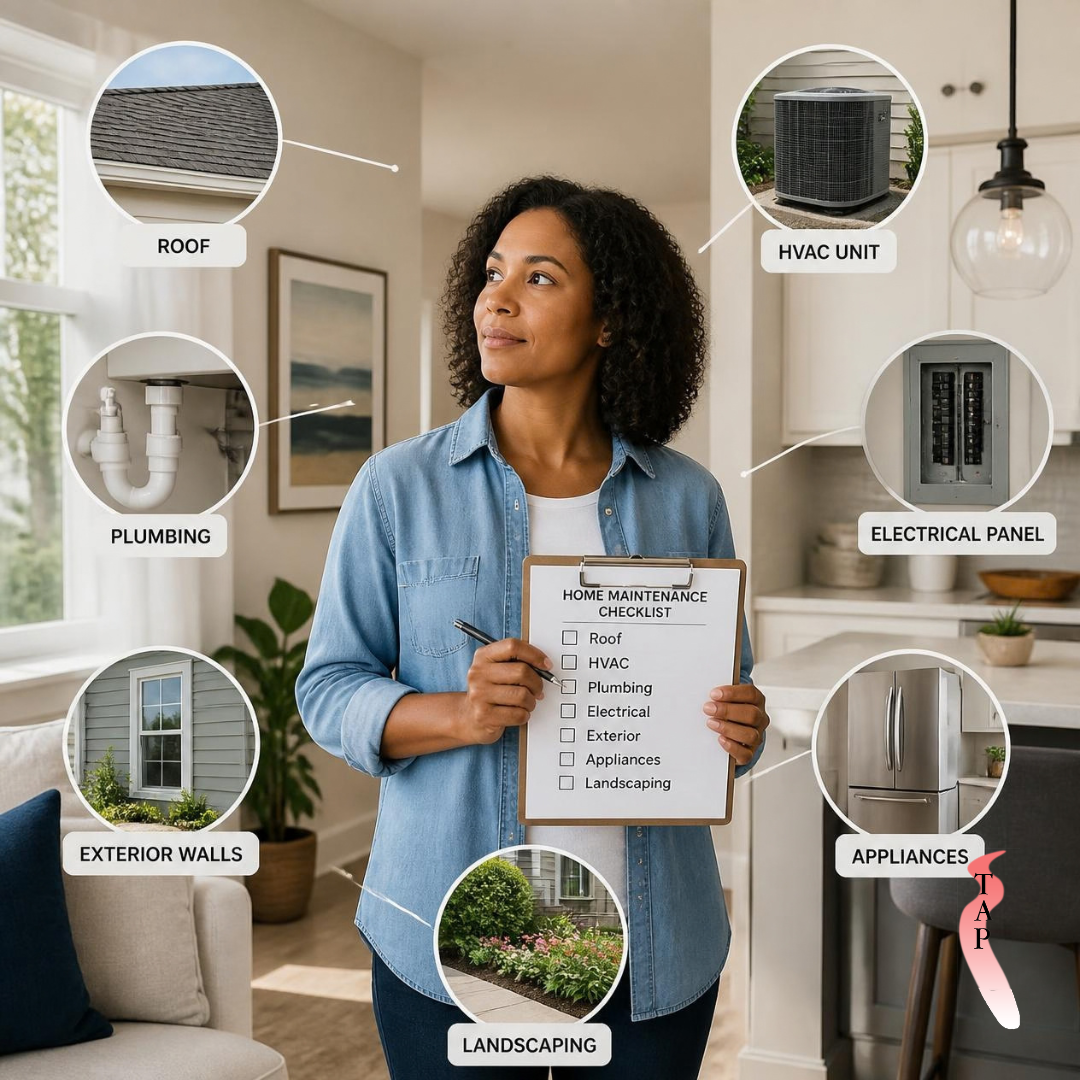
A home can look well maintained during a viewing while still having systems or components that may need attention. Understanding the maintenance needs of a property can help buyers look beyond appearance and consider the age, condition, and upkeep requirements of important parts of the home.
A practical assessment should cover both the house and outdoor areas.
Start With the Roof and Exterior
The roof protects the property from weather, so its condition deserves close attention. Look for damaged or missing roofing materials, stains, sagging areas, or signs of previous repairs.
Also examine exterior walls, windows, doors, gutters, and drainage. Cracks, peeling paint, damaged seals, or water stains may indicate areas that need further inspection.
Consider the age and material of these components, as maintenance requirements can vary.
Check the HVAC System
Heating, ventilation, and air conditioning systems can be significant parts of a home's ongoing maintenance.
Consider the system's age, general condition, maintenance history, and whether it operates properly. Ask whether filters have been replaced and whether the system has been regularly serviced.
Older equipment may still work well, but its age can be relevant when considering future maintenance or replacement.
Examine Plumbing
Look for visible leaks around sinks, toilets, pipes, water heaters, and other fixtures. Water stains, damp areas, mould, or unusual smells may require closer attention.
It can also be useful to check water pressure and whether sinks, showers, and other drains empty normally.
Because some plumbing problems are difficult to identify during a short viewing, a professional inspection may be appropriate when concerns are present.
Review the Electrical System
Electrical systems are another important area, particularly in older properties.
Look for damaged outlets, loose switches, exposed wiring, or other visible concerns. Buyers may also want to understand the age and capacity of the electrical system and whether upgrades have been completed.
Any suspected electrical problems should be assessed by a qualified professional.
Assess Appliances
Included appliances can also have their own maintenance needs. Check the condition and age of appliances such as ovens, cooktops, dishwashers, refrigerators, washing machines, dryers, and water heaters.
Where possible, confirm that they operate correctly and review available service records, manuals, or warranties.
Look at Landscaping and Drainage
Maintenance extends beyond the house. Lawns, gardens, trees, fences, driveways, retaining walls, and drainage systems can all require ongoing attention.
Consider how much regular upkeep the landscaping may require. Large trees, for example, may require periodic maintenance.
Also observe how rainwater moves around the property. Areas where water collects or drains poorly may deserve further investigation.
Consider Age and Maintenance History
A property's current appearance does not tell the entire story. The age of major systems, previous repairs, renovations, and maintenance records can provide useful context.
A recently renovated kitchen, for example, does not necessarily mean the roof, plumbing, electrical system, or HVAC equipment has also been updated.
Review available documentation and identify which major components have been repaired, replaced, or serviced.
Think About Future Maintenance
When assessing a property, consider not only what needs attention today but also what may require maintenance in the coming years.
A home with several older systems may have different maintenance considerations from one with recently updated components. However, age alone does not determine condition, so inspection findings and maintenance records are important.
Understanding the maintenance needs of a home can give buyers a more complete picture of the property. Looking beyond cosmetic features and considering the condition of essential systems can help buyers better understand the responsibilities that may come with ownership.