What To Look For When Viewing A House
How to Identify Potential Red Flags During a Property Tour
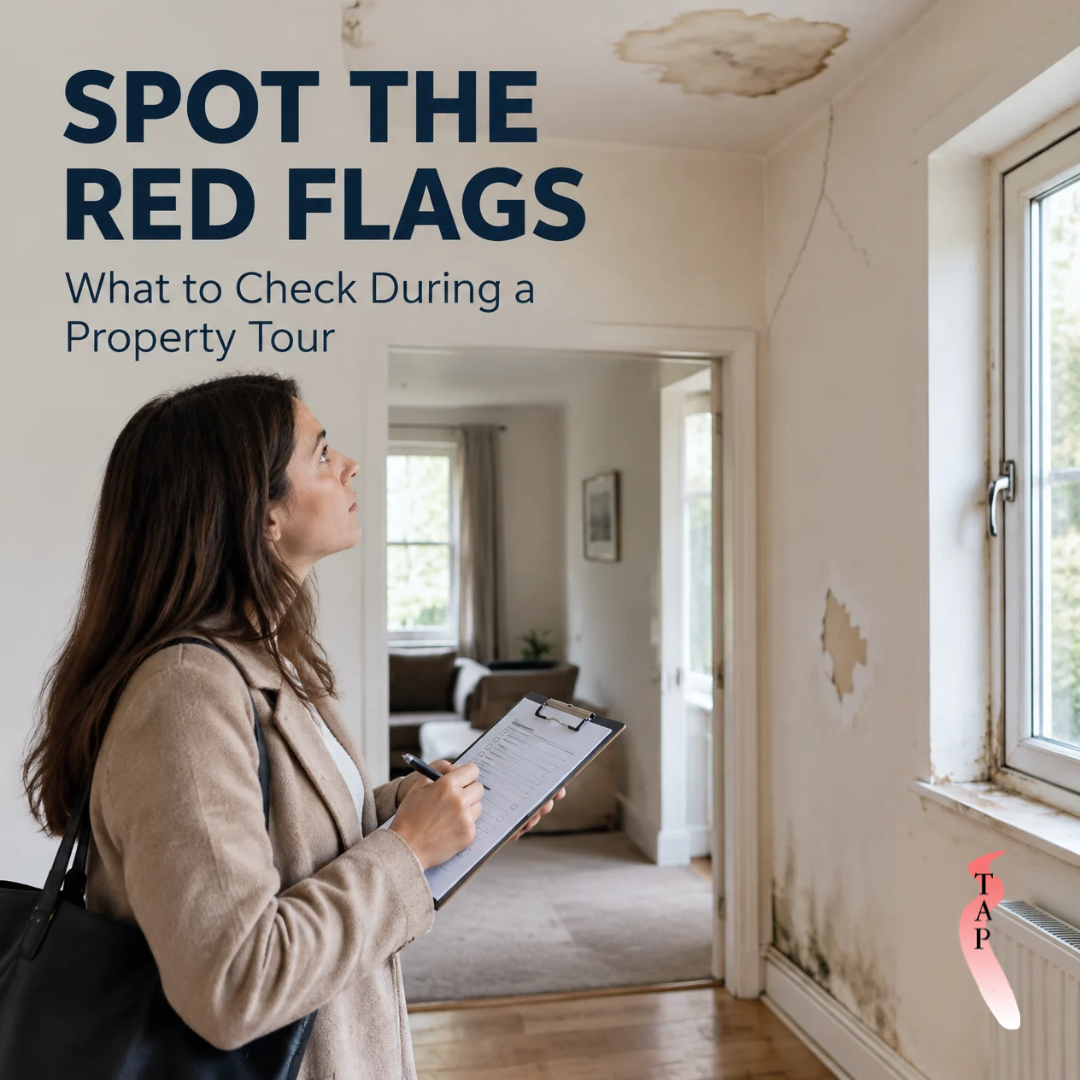
Viewing a property is an important opportunity to look beyond its appearance and assess how well it has been maintained. Fresh paint, attractive finishes, and neatly arranged rooms can make a home feel inviting, but they do not always reveal underlying maintenance issues.
Knowing how to identify potential red flags during a property tour can help prospective buyers recognise areas that deserve closer attention. Visible cracks, water stains, unusual odours, poor drainage, damaged windows, and ageing systems may indicate maintenance needs or more significant concerns.
Not every defect means a property is unsuitable. However, noticing these signs early can help you ask informed questions, arrange further inspections, and better understand the potential costs and responsibilities of ownership.
1. Look for Cracks in Walls, Ceilings, and Floors
Cracks are among the most noticeable signs buyers may encounter during a property tour. They can appear in interior walls, ceilings, exterior brickwork, concrete surfaces, and floor tiles.
Some fine cracks may result from ordinary material movement or changes in temperature. Others may be associated with moisture, building movement, or structural concerns.
Pay attention to cracks that appear unusually wide, run diagonally, extend across several surfaces, or seem to have changed over time. Also look for cracks accompanied by sticking doors, uneven floors, or gaps around window and door frames.
A visual inspection alone cannot determine the cause or seriousness of a crack. If you notice concerning patterns, ask about previous repairs and consider obtaining an assessment from a qualified building or structural professional.
2. Check for Water Stains and Signs of Moisture
Water stains can appear as yellow or brown patches on ceilings, discoloured walls, bubbling paint, peeling wallpaper, or swollen skirting boards. These signs may indicate a previous leak, ongoing moisture intrusion, or inadequate waterproofing.
Inspect areas beneath bathrooms, around kitchen sinks, near windows, and below ceilings where plumbing or roof components may be located. Pay particular attention to corners, cupboards, and areas with limited ventilation.
Do not assume that a stain is harmless simply because the surface appears dry. The source of moisture may have been repaired, but it could also remain unresolved.
Ask whether the property has experienced roof leaks, plumbing failures, flooding, or water damage. If the cause and repair history are unclear, further investigation may be necessary before you can confidently assess the property's condition.
3. Notice Unusual or Persistent Odours
Smells can provide useful clues about a property's condition. Persistent musty odours may be associated with damp materials or mould growth, while sewage-like smells could indicate drainage or plumbing problems.
Strong air fresheners or recently opened windows do not necessarily indicate an issue, but they may make it more difficult to assess the property's normal indoor environment.
Pay attention to odours in bathrooms, laundry areas, basements, storage spaces, and rooms that receive limited natural ventilation. If a smell is concentrated in one location, consider what could be causing it.
Odours alone cannot confirm a defect. However, persistent smells combined with water stains, condensation, or visible mould may justify a closer inspection by an appropriate professional.
4. Examine Drainage Around the Property
Poor drainage can allow water to collect near a home's foundations, enter garages or lower-level rooms, and damage landscaping or exterior surfaces.
During the tour, look for standing water, muddy patches, eroded soil, overflowing gutters, blocked downpipes, and ground surfaces that slope towards the building. Check whether paving or garden beds appear to direct water away from the structure.
Where accessible, inspect outdoor drains and areas beneath downpipes. Also consider whether the property is located on sloping land or in an area where heavy rainfall may create drainage challenges.
A property tour may not reveal how the site behaves during severe weather. Ask about previous flooding, water pooling, drainage repairs, and any recurring problems during rainy periods. Additional inspection may be appropriate if visible conditions raise concerns.
5. Inspect Windows and Doors
Windows and doors affect security, ventilation, weather protection, and everyday comfort. Damaged seals, cracked glass, rotting frames, corrosion, and difficulty opening or closing windows may indicate maintenance needs.
Check whether doors close properly and whether windows operate smoothly. Look for condensation between double-glazed panes, gaps around frames, damaged flyscreens, and signs of water intrusion near window sills.
Doors that stick may have several causes, including humidity, worn hardware, or building movement. The issue should be considered alongside other visible signs rather than treated as proof of a structural problem.
Also examine external doors for damaged weather seals and gaps that could allow drafts or moisture to enter. Depending on the extent of the damage, repairs may range from straightforward hardware replacement to more substantial work.
6. Assess Ageing Heating, Cooling, Plumbing, and Electrical Systems
Major home systems can be expensive to repair or replace, so their condition deserves attention during a property tour.
Look for visible rust, leaks, damaged pipes, unusual noises from heating or cooling equipment, and signs of deterioration around water heaters or air-conditioning units. Ask about installation dates, servicing history, recent repairs, and any known performance issues.
Electrical warning signs may include damaged outlets, exposed wiring, scorched marks, or loose fittings. Do not touch exposed wires or attempt to test potentially unsafe equipment during the viewing.
The age of a system does not automatically mean it needs replacement. Its condition, maintenance history, performance, and availability of replacement parts all matter. Where concerns arise, arrange an assessment by a suitably qualified professional.
7. Check Ventilation and Signs of Poor Airflow
Good ventilation helps manage indoor moisture and supports comfortable living conditions. Poor airflow may contribute to condensation, persistent odours, and dampness, particularly in bathrooms, kitchens, and enclosed storage areas.
Look for condensation on windows, mould around bathroom ceilings, damp corners, and extractor fans that appear damaged or poorly maintained. Notice whether rooms feel unusually stuffy or have limited opportunities for fresh air.
Ask whether bathroom and kitchen exhaust fans operate and whether they vent appropriately. A professional may need to investigate if ventilation problems appear connected to recurring moisture or mould.
Remember that a single viewing cannot establish indoor air quality or confirm whether mould is present behind walls or other concealed surfaces.
8. Identify Signs of Deferred Maintenance
Deferred maintenance refers to repairs or routine upkeep that have been postponed. Individual issues may appear minor, but several neglected areas can suggest that the property requires a more thorough assessment.
During the tour, look for:
- Peeling exterior paint or deteriorating timber.
- Loose roof materials or visibly damaged gutters.
- Broken tiles, damaged flooring, or worn fixtures.
- Overgrown vegetation touching walls or blocking drainage.
- Rusted outdoor fittings and deteriorating fences.
- Damaged sealant around showers, sinks, and windows.
- Missing smoke alarms or other visible safety equipment where required.
Consider the overall pattern rather than focusing on cosmetic imperfections alone. A worn paint finish may be a relatively simple maintenance task, while widespread water damage or neglected building components may require more extensive investigation.
A Practical Property Tour Checklist
Use this checklist to record observations during a viewing. It can help you organise follow-up questions and identify areas that may need professional attention.
- Visible cracks in walls, ceilings, floors, or exterior surfaces.
- Water stains, peeling paint, bubbling surfaces, or damp patches.
- Persistent musty, sewage-like, or otherwise unusual odours.
- Standing water, blocked drains, damaged gutters, or poor ground drainage.
- Cracked glass, damaged window seals, or doors that do not close properly.
- Ageing or visibly damaged heating, cooling, plumbing, or electrical systems.
- Condensation, poor airflow, or signs of mould.
- Deteriorating exterior materials and neglected maintenance.
- Evidence of previous repairs without clear information about the cause.
- Questions about maintenance history, previous water damage, and outstanding repairs.
Take notes and photographs where permitted. Record the location of each concern and ask for clarification when information is incomplete.
Make an Informed Decision After the Tour
Identifying potential red flags during a property tour is about recognising signs that deserve attention, not diagnosing defects on the spot. Some issues may be minor and relatively straightforward to address, while others may require specialist assessment or significant repairs.
Before making a decision, consider the number and severity of the concerns, the available maintenance records, and the potential costs of further investigation or repairs. A professional property inspection can help identify issues that are difficult to assess during a brief viewing.
A careful tour can help you ask better questions and understand the property's condition more clearly. By looking beyond cosmetic features and documenting what you observe, you can make a more informed assessment of whether the home suits your needs and ownership plans.