Home Improvement Projects
How to Increase Property Value Before Selling: Renovations, Curb Appeal, and Smart Upgrades That Matter
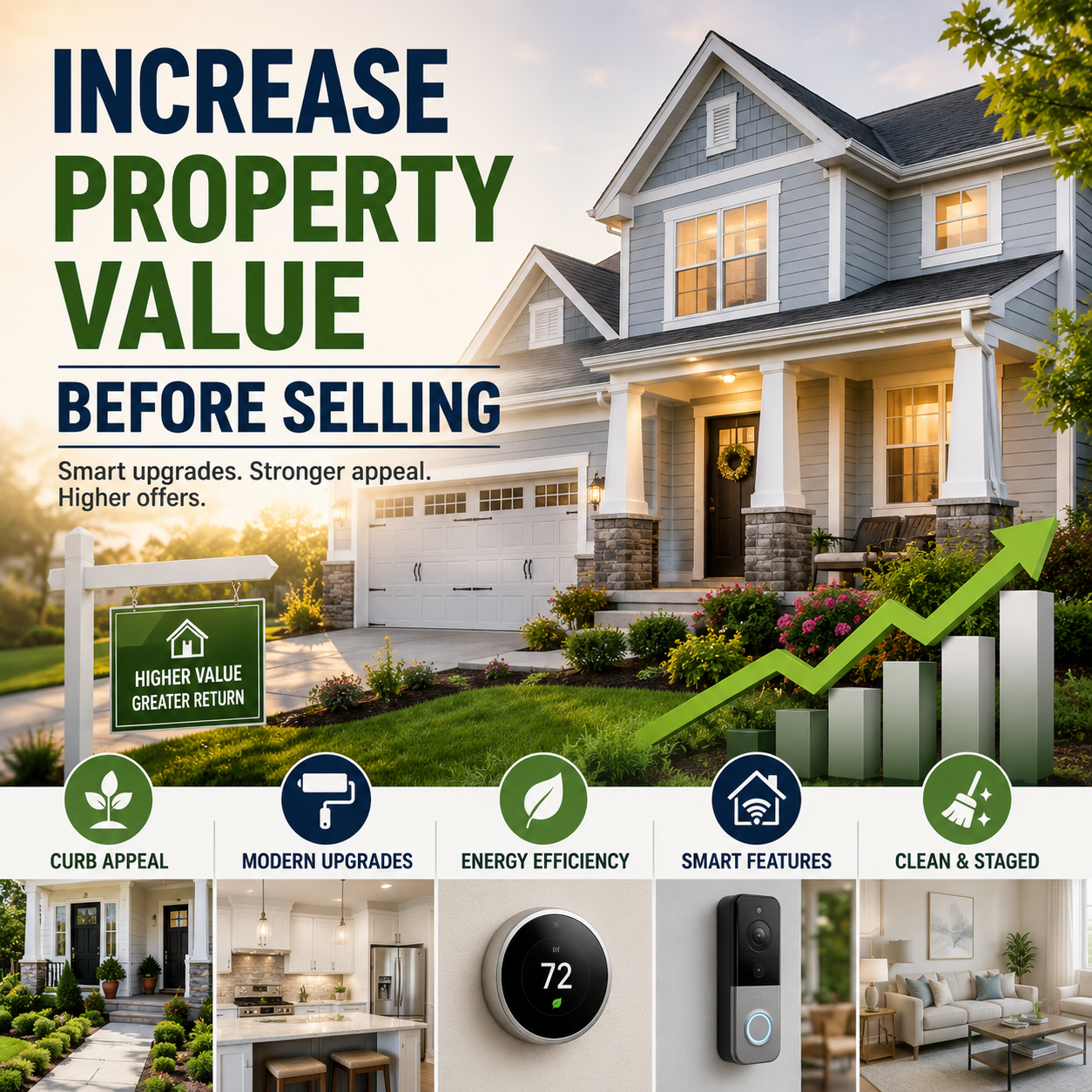
Selling a home is often one of the largest financial transactions a person will make. Naturally, many homeowners want to maximize their property's value before listing it on the market. While not every improvement guarantees a higher selling price, strategic upgrades can help make a property more attractive to potential buyers and potentially improve its marketability.
Understanding which improvements provide the greatest impact can help homeowners prioritize their budget and focus on changes that buyers are most likely to notice and appreciate.
Why Increasing Property Value Matters
A well-maintained and updated property can create a stronger first impression and may attract more buyer interest. Properties that appear move-in ready often appeal to a wider range of buyers because they reduce the need for immediate repairs or renovations after purchase.
Before investing in upgrades, homeowners should consider local market conditions, neighborhood expectations, and the property's current condition.
Start With Essential Repairs
Before focusing on cosmetic improvements, address any issues that could raise concerns during a buyer's inspection.
Common repairs include:
- Fixing leaking faucets and pipes
- Repairing damaged roofing materials
- Replacing broken tiles or flooring
- Addressing electrical or plumbing issues
- Repairing cracked walls or ceilings
Buyers often view unresolved maintenance problems as signs of larger underlying issues. Completing necessary repairs can help improve buyer confidence.
Improve Curb Appeal
First impressions begin before buyers step inside the home.
Curb appeal refers to how attractive a property looks from the street and can significantly influence a buyer's perception.
Simple ways to improve curb appeal include:
- Mowing and maintaining the lawn
- Trimming shrubs and trees
- Adding fresh mulch to garden beds
- Cleaning walkways and driveways
- Repainting the front door
- Updating outdoor lighting fixtures
These improvements are often relatively affordable compared to major renovations while still enhancing the property's overall appearance.
Refresh Interior Paint
One of the most cost-effective improvements before selling is repainting interior walls.
Neutral colors can help create a clean and inviting atmosphere while allowing potential buyers to envision their own furniture and decor in the space.
Popular choices often include:
- Soft white
- Light gray
- Warm beige
- Neutral earth tones
Fresh paint can also help conceal minor wear and tear accumulated over time.
Upgrade the Kitchen Strategically
Kitchens often play a major role in buyer decision-making.
However, a complete kitchen remodel may not always provide the best return relative to its cost.
Instead, consider targeted upgrades such as:
- Replacing cabinet hardware
- Installing modern light fixtures
- Updating faucets
- Repainting cabinets
- Replacing worn countertops if necessary
- Upgrading older appliances
These improvements can modernize the space without requiring a full renovation.
Modernize Bathrooms
Bathrooms are another area buyers frequently evaluate closely.
Practical bathroom updates may include:
- Replacing outdated fixtures
- Installing new mirrors
- Re-grouting tile surfaces
- Updating vanity hardware
- Improving lighting
- Replacing worn caulking
Even small improvements can help make bathrooms feel cleaner and more contemporary.
Focus on Energy Efficiency
Energy-efficient homes may appeal to buyers who want to reduce long-term utility costs.
Potential upgrades include:
- Installing LED lighting
- Adding attic insulation
- Upgrading windows
- Replacing older HVAC systems
- Installing programmable thermostats
- Sealing air leaks around doors and windows
While some energy-efficient improvements require larger investments, they can become attractive selling points in many markets.
Consider Smart Home Features
Technology has become increasingly important to many homebuyers.
Affordable smart home upgrades may include:
- Smart thermostats
- Smart doorbells
- Smart security cameras
- Smart locks
- Smart lighting systems
These features can add convenience and create a modern impression without requiring major renovations.
Enhance Flooring
Flooring can significantly affect a property's overall appearance.
Options to consider include:
- Professional carpet cleaning
- Refinishing hardwood floors
- Replacing damaged flooring sections
- Installing updated flooring in high-traffic areas
Clean and well-maintained floors often contribute to a more polished presentation.
Declutter and Stage the Home
While staging does not physically increase a property's value, it can improve how buyers perceive the space.
Helpful staging practices include:
- Removing excess furniture
- Organizing storage areas
- Depersonalizing rooms
- Improving natural light
- Creating functional living spaces
A clean and organized home can appear larger and more inviting during showings.
Avoid Over-Improving the Property
Not every renovation results in a proportional increase in value.
Before undertaking expensive projects, homeowners should evaluate:
- Neighborhood property values
- Local buyer expectations
- Estimated renovation costs
- Potential return on investment
Luxury upgrades may not be fully reflected in the final selling price if they exceed the standards of comparable homes in the area.
Create a Budget Before Renovating
A clear budget can help homeowners prioritize improvements that offer the greatest impact.
Consider categorizing projects into:
- Essential repairs
- Cosmetic improvements
- Energy-efficient upgrades
- Smart home enhancements
- Major renovations
This approach can help prevent overspending while focusing on areas most likely to influence buyer interest.
Conclusion
Increasing a property's value before selling often involves a combination of maintenance, presentation, and strategic upgrades. Improvements such as enhancing curb appeal, refreshing paint, modernizing kitchens and bathrooms, improving energy efficiency, and adding smart home features can help create a more attractive property for potential buyers. By focusing on practical improvements and understanding local market expectations, homeowners can make informed decisions when preparing their home for sale and maximize the appeal of their real estate asset.