Sexual Harassment Prevention Training
Il Fornaio Settlement Highlights Employer Responsibilities for Sexual Harassment Prevention and Retaliation
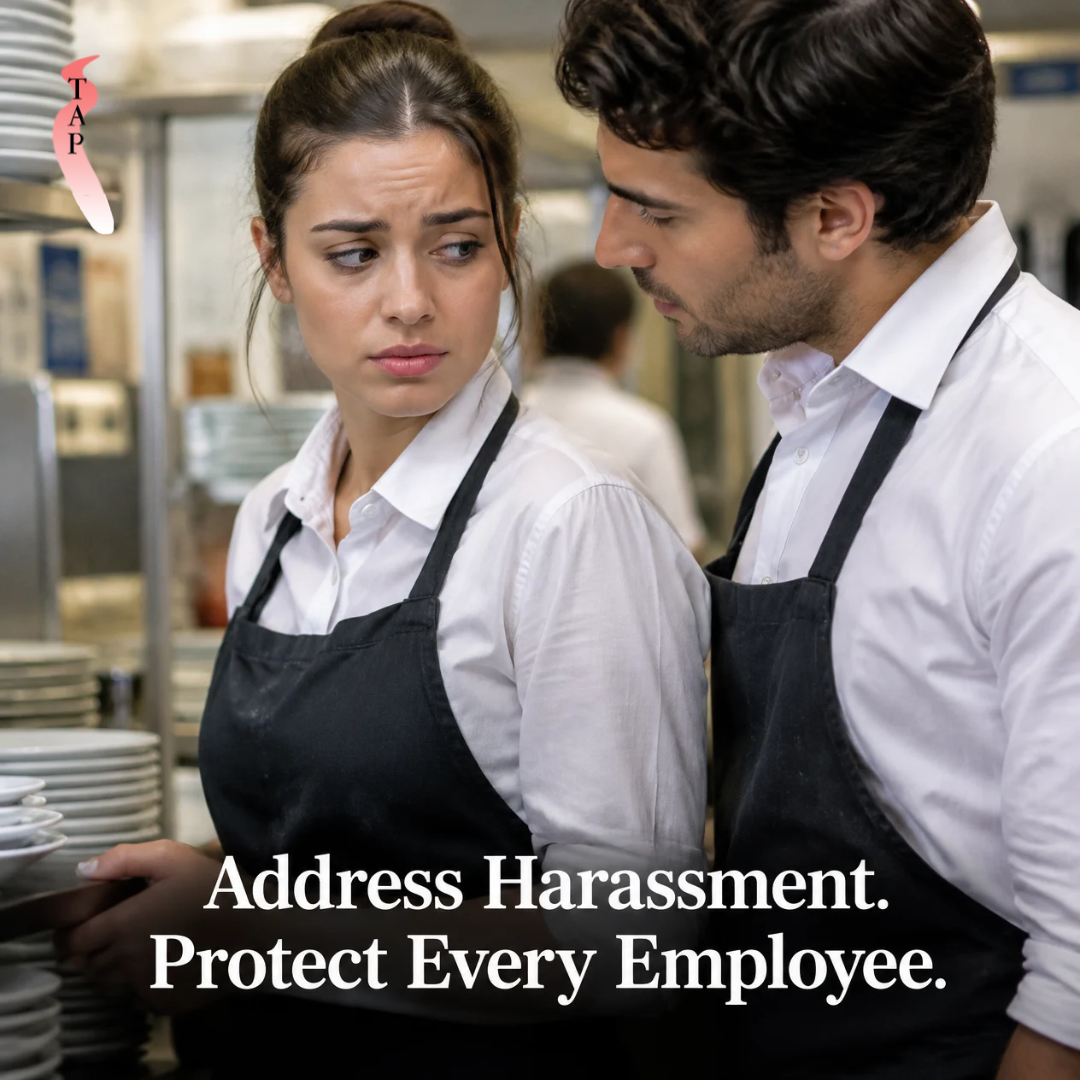
Sexual harassment prevention is especially important in restaurant environments, where employees may work closely together under time pressure and interact across different levels of management. Employers must establish clear conduct standards, provide accessible reporting procedures, and respond effectively when employees raise concerns. These responsibilities are particularly important when workers are young or have limited workplace experience.
The $3 million settlement involving Il Fornaio (America) LLC highlights the consequences of alleged failures to address sexual harassment and retaliation. The U.S. Equal Employment Opportunity Commission (EEOC) alleged that female employees, including teenagers, experienced repeated sexual harassment across the restaurant chain's locations and that the company failed to stop the conduct despite complaints.
Background of the Case
Il Fornaio (America) LLC operates an Italian restaurant chain with 15 locations in California and Nevada. The EEOC filed a federal lawsuit alleging that supervisors and employees subjected female workers to sexual harassment and that the company failed to take effective action to prevent or correct the conduct.
The case, EEOC v. Il Fornaio (America) LLC, et al., Case No. 2:22-cv-05992, was filed in the U.S. District Court for the Central District of California. The agency pursued the lawsuit after first attempting to resolve the matter through its administrative conciliation process.
According to the EEOC, the alleged conduct affected a class of female employees across multiple restaurant locations. The agency also reported learning of at least 100 women who were negatively affected by the workplace environment during its investigation.
The case highlights the importance of consistent harassment prevention standards across all locations, particularly when employees may be supervised by different managers or work within different restaurant teams.
Details of the Incident
According to the EEOC's allegations, female employees at Il Fornaio restaurants were repeatedly subjected to sexual harassment by supervisors and coworkers. Many of the affected employees were teenagers.
The lawsuit alleged that the conduct included forceful groping in restaurant bathrooms, unwanted touching of intimate body parts, requests for sexual favors, and explicit references to sexual activities.
The EEOC further alleged that female employees complained about the harassment, but the company failed to stop it. The agency also claimed that many employees experienced retaliation after raising concerns and that several ultimately resigned because of the workplace conditions.
These allegations raise several concerns for restaurant employers:
- Unwanted physical conduct: Employers must take reports of inappropriate touching seriously and assess them promptly.
- Harassment involving young workers: Teen employees may have less experience recognising workplace rights or navigating formal complaint procedures.
- Failure to respond to complaints: Repeated reports can indicate that existing response procedures or corrective measures may be inadequate.
- Retaliation concerns: Employees should not face adverse treatment for reporting suspected harassment or participating in protected complaint processes.
- Employee turnover: When workers feel unable to obtain support, they may leave rather than remain in an uncomfortable or unsafe working environment.
The allegations were brought by the EEOC and should not be treated as findings that every alleged incident was proven at trial. The lawsuit was resolved through a settlement.
Legal Background
Title VII of the Civil Rights Act of 1964 prohibits employment discrimination based on sex, including sexual harassment that creates a hostile work environment. The law also prohibits retaliation against employees who engage in protected activity, such as opposing conduct they reasonably believe violates Title VII or participating in covered investigations and proceedings.
Employers may face legal exposure when they fail to take appropriate action in response to harassment. Their responsibilities include maintaining effective reporting procedures, investigating complaints appropriately, and taking reasonable corrective action when misconduct is identified.
Restaurant employers should also consider the needs of younger employees. Clear onboarding, accessible policies, and practical explanations of reporting procedures can help young workers understand workplace expectations and where to seek assistance.
A workplace policy should explain how employees can report concerns, what happens after a complaint is received, and how the organisation addresses potential retaliation. Employees should have an alternative reporting channel when their direct supervisor is involved in the alleged conduct.
In the Il Fornaio case, the EEOC alleged violations of Title VII involving sexual harassment and retaliation. The settlement resolves the lawsuit without requiring the allegations to be presented here as findings following a trial.
Settlement Status and Relief Sought
Il Fornaio agreed to pay $3 million and provide additional relief to settle the EEOC's lawsuit.
The settlement addresses claims brought on behalf of a class of female employees who allegedly experienced sexual harassment and retaliation. The EEOC's announcement identifies the monetary amount and broader purpose of the settlement, but the information provided here does not specify the individual allocation of payments.
The settlement reflects the seriousness of the allegations and the importance of addressing workplace harassment through more than financial relief alone. Employers should review any settlement requirements and compliance obligations carefully rather than assuming that monetary payments alone resolve the underlying workplace issues.
Key Takeaways from the Case
Employers in the restaurant industry and other sectors can use this case to evaluate their harassment prevention practices.
- Respond promptly to complaints. Every report should receive appropriate attention, assessment, and follow-up.
- Set clear expectations for supervisors and coworkers. Employees at every level should understand that unwanted sexual conduct is unacceptable.
- Provide accessible reporting channels. Workers should know how to report concerns outside their direct management chain when necessary.
- Protect employees from retaliation. Managers should understand that punishing or disadvantaging employees for protected activity can create additional legal concerns.
- Provide appropriate support for young workers. Training and onboarding should explain workplace rights and complaint procedures in clear, age-appropriate language.
- Monitor patterns across locations. Multi-location businesses should review complaints and workplace practices across all sites rather than treating each report as an isolated event.
- Verify that corrective action works. Employers should assess whether interventions have stopped the reported conduct and whether additional action is needed.
Broader Implications for Employers
The Il Fornaio settlement highlights the challenges of preventing harassment across a restaurant chain. Multiple locations, shift-based staffing, frequent employee interactions, and differing management practices can make consistent policy implementation difficult.
Restaurant operators should ensure that each location follows the same core standards while providing employees with reliable ways to report concerns. Managers need to understand their responsibilities even during busy service periods, and senior leadership should review whether complaints are being handled appropriately.
Practical steps include:
- Establish written anti-harassment and anti-retaliation policies that apply across all locations.
- Explain reporting procedures during onboarding and make them easy for employees to access later.
- Train managers to recognise inappropriate conduct, escalate complaints, and avoid dismissing concerns as jokes or workplace banter.
- Provide an alternative reporting channel for complaints involving supervisors or managers.
- Document complaints, investigations, findings, and corrective actions appropriately.
- Review complaint patterns across locations and investigate potential signs of recurring problems.
- Ensure employees understand how to report retaliation and who can assist them.
- Review workplace practices involving young employees to ensure that training, supervision, and reporting procedures are clear and accessible.
Employers should also be cautious about relying on informal workplace culture as a substitute for established standards. Conduct that some employees dismiss as joking or part of restaurant culture may still raise serious concerns when it is unwelcome or sexually inappropriate.
The Importance of Sexual Harassment Training
Sexual harassment training can help employees understand workplace expectations, recognise inappropriate behaviour, and learn how to report concerns. It can also prepare supervisors and managers to respond appropriately when complaints arise.
Sexual Harassment Training | TAP Series®
Effective training should address five core areas:
- Employee awareness: Explain examples of sexual harassment, including unwanted touching, sexual propositions, explicit comments, and conduct that may contribute to a hostile work environment.
- Reporting procedures: Show employees how to report concerns, who can receive complaints, and how to access alternative channels when a supervisor is involved.
- Supervisor responsibilities: Train managers to recognise potential harassment, take complaints seriously, document relevant information, and escalate concerns for appropriate investigation.
- Workplace respect: Reinforce professional boundaries and respectful communication, including during busy shifts and informal interactions among coworkers.
- Prevention strategies: Explain anti-retaliation protections, early intervention, consistent policy enforcement, and appropriate follow-up after a complaint.
Training should be relevant to the needs of restaurant employees, including younger workers and employees who may be unfamiliar with formal reporting processes. Supervisors and senior leaders should receive guidance tailored to their authority and responsibilities.
Employers should reinforce training with accessible policies, appropriate investigations, and consistent corrective action. Training is one part of a broader prevention programme and cannot replace effective management practices or a meaningful response to complaints.
Conclusion
The Il Fornaio settlement highlights the importance of preventing sexual harassment, responding effectively to employee complaints, and protecting workers from retaliation. The EEOC's allegations involving multiple locations and young female employees demonstrate why employers should review both their written policies and how those policies operate in practice.
For restaurant employers, prevention requires consistent standards, informed supervisors, accessible reporting channels, and appropriate follow-up. Regular training and careful review of workplace concerns can help organisations reinforce professional expectations and identify areas where additional action may be necessary.