TAP Series Food Safety Courses
Inspection Failures in the Grocery Industry: Why Stores Fail and How to Avoid It
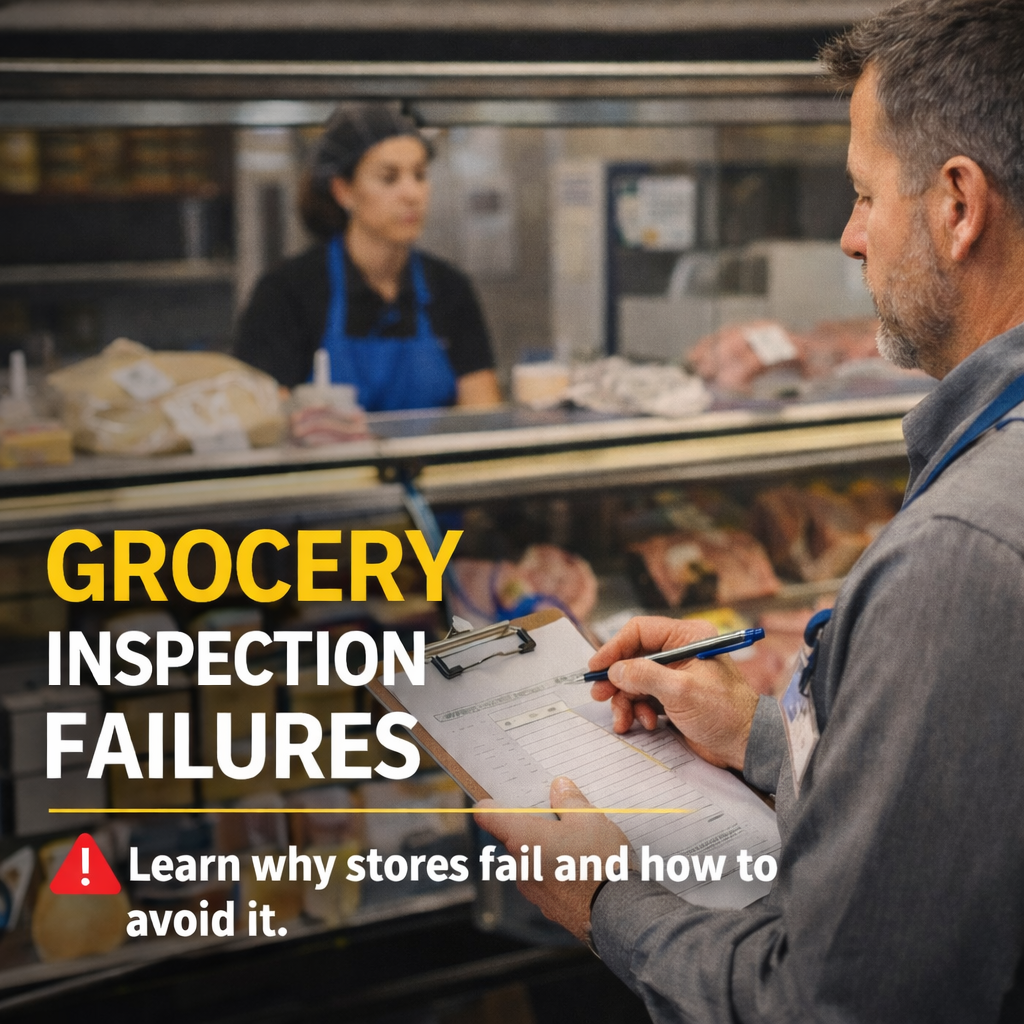
Inspection failures in the grocery industry can disrupt operations, damage reputations, and result in costly fines or temporary closures. For U.S. grocery operators, health inspections are not routine formalities. They are high stakes evaluations that directly impact customer trust and regulatory compliance.
Many grocery stores do not fail inspections because of one major violation. They fail due to repeated small oversights, inconsistent procedures, and gaps in staff training.
The good news is that inspection failures are preventable with the right food safety management systems and structured employee training.
Why Grocery Stores Fail Health Inspections
Health inspection reports across the United States often highlight similar violations.
Common reasons grocery stores fail include:
1. Temperature Control Violations
- Improper hot and cold holding
- Inaccurate thermometer calibration
- Inconsistent monitoring logs
2. Cross-Contamination Risks
- Raw meats stored above ready-to-eat foods
- Shared equipment without proper sanitation
- Poor separation during food prep
3. Inadequate Allergen Controls
- Failure to label allergens correctly
- Cross-contact in deli or bakery departments
- Employees unaware of allergen protocols
4. Poor Personal Hygiene Practices
- Improper handwashing
- Employees working while ill
- Lack of glove use compliance
5. Weak Documentation and Oversight
- Missing HACCP records
- Incomplete temperature logs
- No active managerial control
These issues often stem from inconsistent training and lack of active supervision.
The Hidden Cost of Inspection Failures
A failed inspection affects more than compliance status.
It can lead to:
- Public posting of violations
- Decreased customer confidence
- Increased scrutiny from regulators
- Financial penalties
- Legal exposure
- Employee morale issues
In competitive grocery markets, reputational damage spreads quickly. Prevention is always more cost effective than corrective action.
The Role of Active Management Control
Inspection success depends on leadership accountability and operational consistency.
Active management control requires:
- Monitoring food safety practices daily
- Verifying temperature logs and sanitation records
- Reinforcing hygiene standards
- Addressing violations immediately
- Providing continuous staff training
Without active oversight, even well written policies fail in practice.
Food Safety Manager Training for Grocery Compliance
TAP Series offers the Food Safety Manager Training course to strengthen compliance and operational control.
This program helps grocery leaders and department managers build expertise in:
- Food Safety Awareness
- Cross-Contamination Prevention
- Temperature Control
- Safe Food Storage
- Health Regulations
- Active Management Control
- HACCP principles
- Personal Hygiene standards
By equipping managers with comprehensive food safety knowledge, stores reduce risk and improve inspection readiness across all departments.
Allergen Awareness: A Critical Compliance Priority
Allergen violations are increasingly cited during grocery inspections, especially in deli, bakery, and prepared foods sections.
TAP Series provides Allergen Awareness Training to help teams identify and control allergen risks.
Employees learn to:
- Identify key food allergens
- Assess cross-contact risks
- Implement mitigation strategies
- Communicate allergen information clearly
- Recognize early signs of allergic reactions
Strong allergen protocols not only prevent inspection citations but also protect customers from serious health emergencies.
How Grocery Stores Can Avoid Inspection Failures
To improve inspection outcomes, grocery organizations should focus on:
1. Standardized Procedures
Establish clear food handling and sanitation protocols across all departments.
2. Ongoing Training
Provide structured courses for managers and frontline staff.
3. Consistent Monitoring
Audit logs, storage areas, and food prep stations regularly.
4. Clear Allergen Controls
Implement labeling, separation, and communication systems.
5. Leadership Accountability
Ensure managers model compliance and enforce standards consistently.
When employees understand expectations and leadership reinforces standards daily, inspection results improve significantly.
Building Inspection Confidence Through Training
Health inspections should not create fear. They should validate that strong systems are in place.
For U.S. grocery companies, investing in structured training programs such as Food Safety Manager and Allergen Awareness strengthens compliance, reduces violations, and builds operational confidence.
Proactive food safety training transforms inspection preparation from reactive scrambling into consistent, documented excellence. Strengthening grocery compliance programs today protects your brand, your customers, and your bottom line tomorrow.