Home Buying Financial Considerations
Lower Home Price, Higher Costs: What Buyers Should Consider
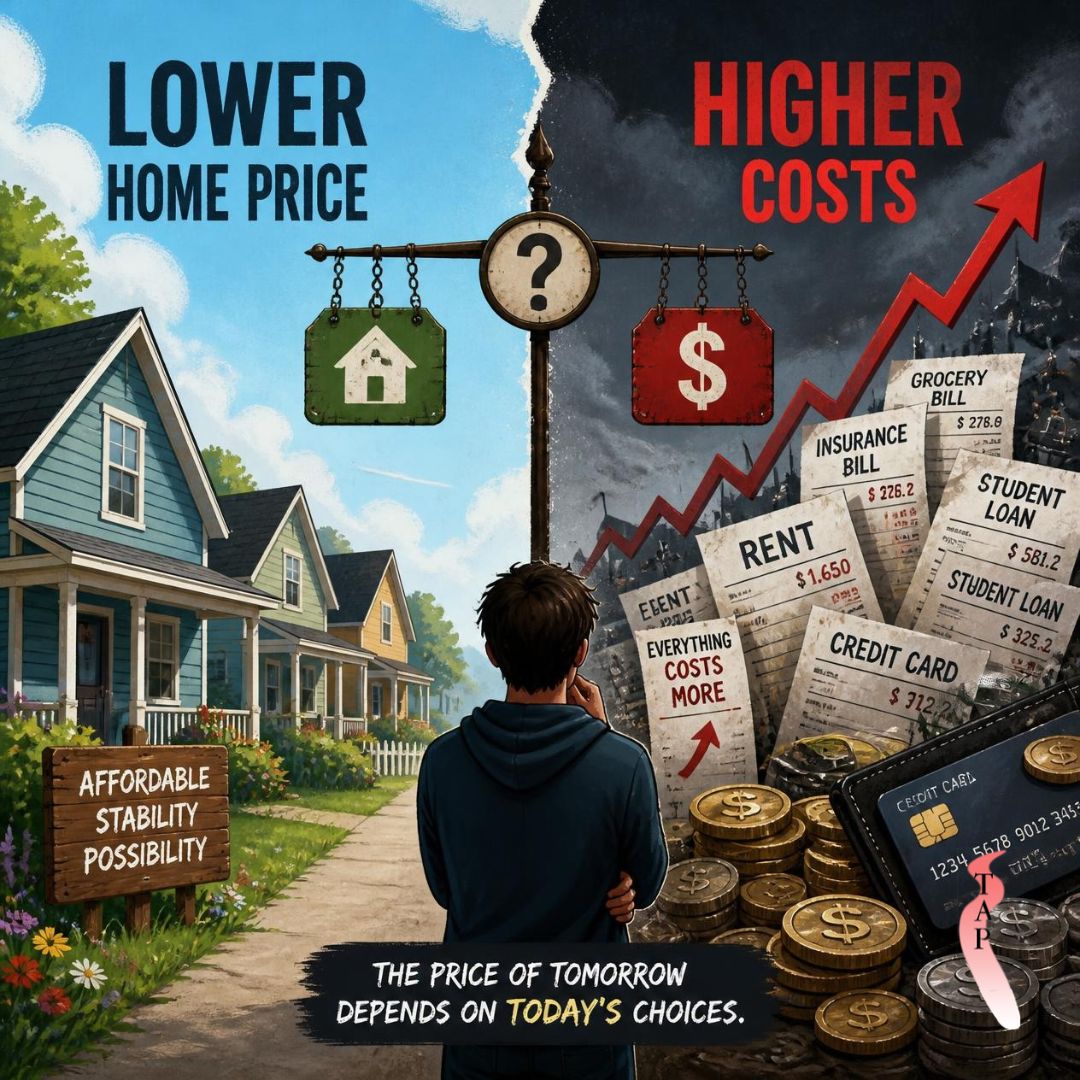
A lower purchase price can make a home appear more affordable at first glance, but the price paid at closing is only one part of the overall cost of owning a property. Ongoing expenses such as maintenance, utilities, insurance, property taxes, repairs, commuting, and renovations can significantly affect what a home costs over time.
For buyers comparing properties at different price points, looking beyond the purchase price can provide a more complete picture. A less expensive home may reduce the initial cost while requiring more spending in other areas.
Consider the Home's Maintenance Needs
Older or poorly maintained properties may require more ongoing attention than homes with newer systems and finishes. Roofs, plumbing, electrical systems, appliances, windows, flooring, and exterior features can all require maintenance or eventual replacement.
A lower-priced property may therefore come with additional upkeep responsibilities. This does not mean an older home is necessarily more expensive overall, but buyers should consider its current condition and likely maintenance requirements.
Understanding which parts of the property may need attention can help you account for costs beyond the purchase price.
Look at Energy Efficiency
Energy efficiency can influence regular household expenses. Insulation, windows, heating and cooling systems, appliances, lighting, and the home's overall design can affect energy consumption.
A lower-priced home with inefficient systems may have higher utility expenses than a more expensive property with better insulation and newer equipment.
When comparing homes, consider both the purchase price and how the property's features may affect ongoing energy use.
Factor in Property Taxes
Property taxes can vary depending on the location and characteristics of a property. A home's purchase price alone does not tell you how much you may be responsible for paying.
Review the applicable property tax information for each property you are considering and understand when payments are due.
Because property taxes can represent a recurring expense, including them in your overall comparison can help you evaluate the longer-term cost of different homes.
Compare Insurance Costs
Insurance expenses can also differ between properties. Factors such as the property's location, age, construction, size, condition, and coverage requirements may influence the cost.
A lower-priced home does not automatically mean lower insurance expenses. Certain property characteristics or location-related risks may affect available coverage and premiums.
Before making a decision, consider the insurance requirements associated with the property and include them in your broader household budget.
Allow for Repairs
Unexpected repairs are one reason the purchase price does not tell the whole story. Plumbing problems, appliance failures, heating or cooling issues, and other repairs can arise during homeownership.
The likelihood and potential cost of repairs can vary based on the property's age, condition, and existing systems.
Buyers should consider whether the home appears well maintained and whether major components may require attention. Having room in the household budget for unplanned repairs can also be useful.
Consider Renovation Requirements
A lower-priced home may need improvements before it fully meets your needs. Renovations could involve painting, flooring, kitchen updates, bathroom improvements, landscaping, or other changes.
These projects can range from relatively simple updates to substantial work. The cost depends on the property's condition, the scope of the project, materials, and whether professional services are required.
Before comparing homes, consider whether the lower purchase price is partly offset by the improvements you would want or need to make.
Think About Commuting Costs
Location can have a significant impact on the overall cost of living in a home. A less expensive property located farther from work, schools, family, or frequently visited services may result in higher transportation expenses.
Consider fuel, public transportation, parking, vehicle maintenance, and the value of the time spent commuting.
For remote workers, occasional travel may still matter. The important point is to consider how the property's location fits your actual routine.
Look at the Cost of Outdoor Maintenance
A home with a large yard may have a lower purchase price than another property, but outdoor maintenance can add ongoing expenses.
Lawn care, gardening, landscaping, irrigation, fencing, tree maintenance, and outdoor equipment can all require time or money.
Consider how much outdoor space you actually need and whether you plan to maintain it yourself or use outside services.
Consider the Home's Size and Utilities
A lower-priced home may have a larger floor area, depending on the location and property type. More space can be useful, but it may also require more heating, cooling, lighting, cleaning, and maintenance.
When comparing properties, consider whether you are paying for space you will actually use.
A smaller property with an efficient layout may provide the functionality you need while potentially reducing some ongoing household expenses.
Think About Location-Related Costs
The neighborhood surrounding a home can influence more than commuting. Access to schools, shops, healthcare, recreation, public transportation, and other services can affect everyday spending and convenience.
A lower-priced property may seem attractive if you look only at the purchase price, but frequent travel to essential services can add costs over time.
Consider the full location and how it fits your regular activities.
Compare the Total Cost, Not Just the Price
When comparing homes, it can be helpful to create a broader cost picture for each property. Start with the purchase price, then consider recurring and potential expenses such as:
- Property taxes
- Insurance
- Utilities
- Maintenance
- Repairs
- Renovations
- Transportation
- Outdoor upkeep
- Household improvements
Not every cost can be predicted precisely, but identifying the major categories can make comparisons more realistic.
Consider What You Actually Need
A higher-priced home is not automatically the more economical choice either. Paying more for features you do not need may increase your overall housing costs without providing meaningful value for your lifestyle.
The goal is to understand what each property requires and how those requirements fit your circumstances.
For example, a slightly more expensive home with a shorter commute and fewer immediate repairs may have a different overall cost profile from a cheaper property that requires significant improvements and more transportation.
Final Thoughts
A home's purchase price is an important part of the buying decision, but it does not represent the full cost of homeownership. Maintenance, energy efficiency, taxes, insurance, repairs, renovations, commuting, and other ongoing expenses can all influence the total cost.
When comparing properties, consider both the initial price and the expenses that may follow. Looking at the broader cost of living in each home can help you make a more informed decision based on how the property fits your budget, location, condition, and everyday needs.