Home Buying Considerations
What Buyers Should Know About Easements on a Property
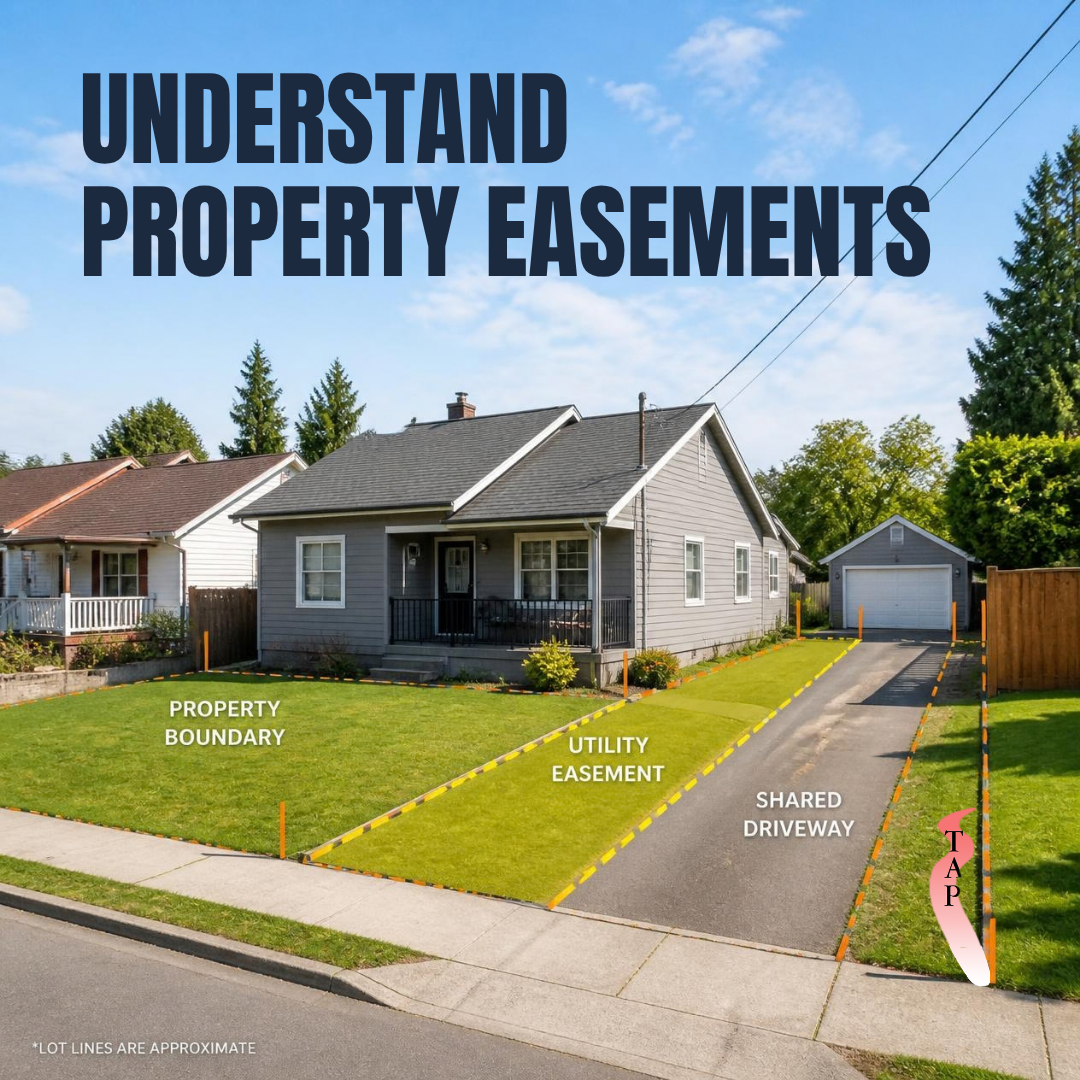
When buying a home, most buyers focus on the house, land, location, and price. However, easements on a property can also affect how the land can be used. An easement gives another person, property owner, utility provider, or organisation certain rights to use part of a property for a specific purpose.
An easement does not necessarily mean there is a problem with the property. However, understanding what rights exist and where they apply can help buyers avoid surprises after purchasing.
What Is an Easement?
An easement is a legal right to use part of someone else's property for a particular purpose. The property owner generally retains ownership of the land, but another party may have certain rights over it.
For example, a utility company may have an easement allowing access to underground infrastructure, or a neighbouring property may have a right to cross part of the land to reach a road.
The exact rules surrounding easements vary by location, so buyers should review the relevant property records and seek appropriate professional guidance when needed.
Common Types of Easements
Easements can serve different purposes depending on the property and location. Common examples include:
- Access easements: Allow another property owner to travel across part of the land.
- Utility easements: Provide access for electricity, water, sewer, telecommunications, or other infrastructure.
- Drainage easements: Allow water to flow through or be managed on a particular part of the property.
- Right-of-way easements: Provide a designated route across land for access or transportation.
- Conservation easements: May restrict certain types of development or changes to the land.
The specific terms of an easement determine what activities are permitted and who has the relevant rights.
How Easements Can Affect Property Use
An easement may have little noticeable effect on everyday life, but some can limit how a portion of the property is used.
For example, an easement may affect whether you can build a structure, install certain landscaping, place a fence, or make other changes in the affected area. Utility or access easements may also allow authorised parties to enter the property under specific circumstances.
This is why simply knowing that an easement exists is not enough. Buyers should understand where it is located, what it permits, and what restrictions apply.
Why Recorded Rights Matter
Easements are often documented in property records, deeds, plans, or other legal documents. These records can provide important information about rights that may continue to affect the property after ownership changes.
Buyers should review available property documentation and pay attention to references to easements, rights-of-way, access rights, or utility corridors.
A property may appear unrestricted during a viewing, while recorded rights may affect part of the land that is not immediately obvious.
Check the Location of the Easement
The location of an easement can be just as important as its existence.
An easement running along the edge of a backyard may have a different practical effect from one running through the centre of the property. Similarly, an underground utility easement may have different implications from an access route used by a neighbouring property.
Reviewing a survey, site plan, or other relevant property documents can help buyers understand where the easement sits in relation to the house, driveway, yard, and other features.
Questions Buyers Can Ask
Before purchasing a property with an easement, buyers may want to find out:
- Who has rights under the easement?
- What activities or access does it permit?
- Where exactly is the easement located?
- Can structures or landscaping be placed within the area?
- Who is responsible for maintenance?
- Can authorised parties access the property?
- Are there restrictions that could affect planned improvements?
The answers can vary depending on the wording of the easement and local property laws.
Understand the Property Beyond the House
An easement does not automatically make a property unsuitable. It is simply one of the property rights and restrictions buyers may need to understand before purchasing.
Reviewing recorded easements and considering how they affect the property's current and potential use can provide a clearer picture of what comes with ownership. If the terms are unclear or could affect planned improvements, obtaining advice from an appropriately qualified property or legal professional may help clarify the buyer's rights and responsibilities.