Employee Harassment Prevention
Sexual Harassment Prevention in Hospitality
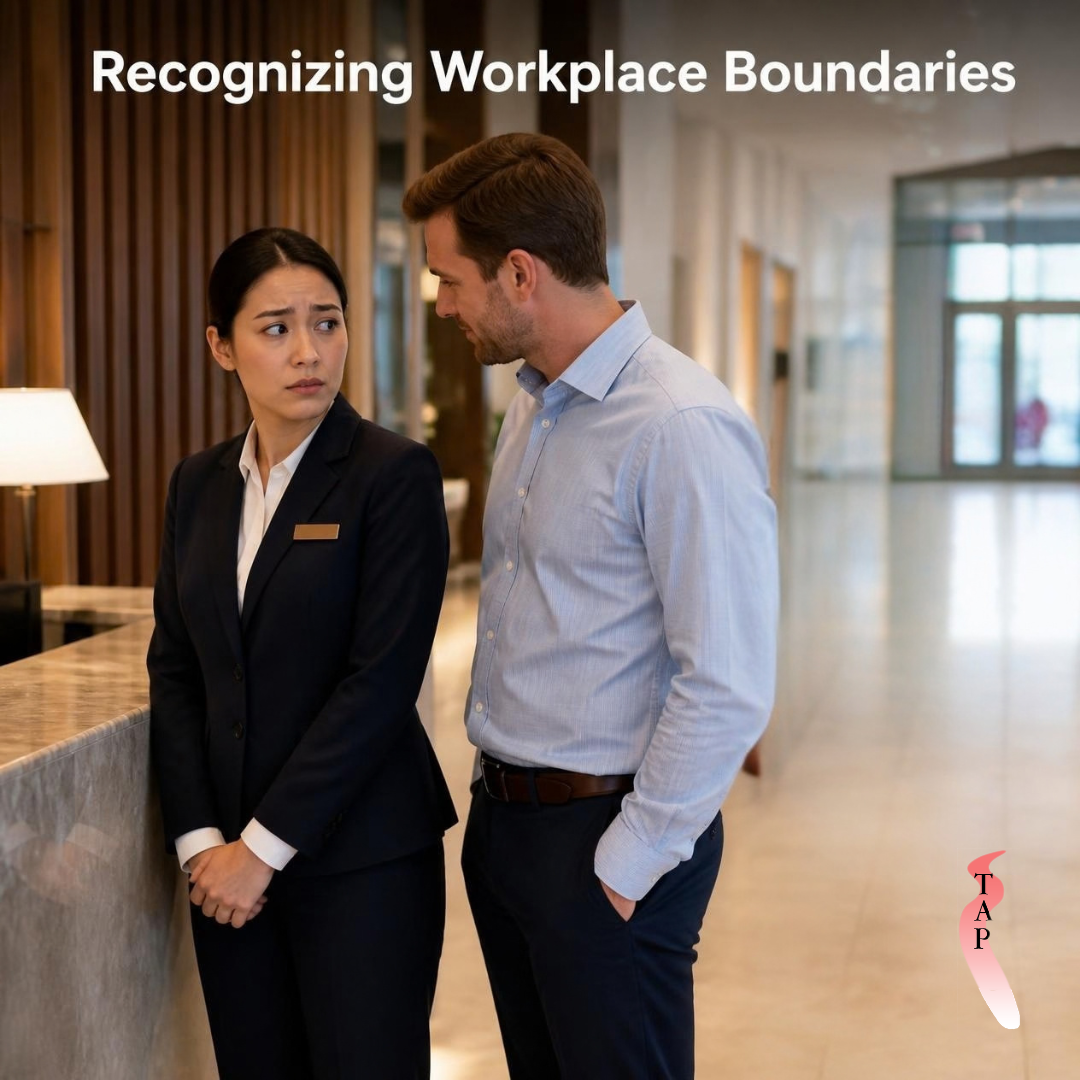
Hospitality workplaces include hotels, resorts, event venues, restaurants, guest services, housekeeping, and other environments where employees interact closely with guests, coworkers, contractors, and supervisors. These interactions can take place in public areas, guest rooms, kitchens, offices, event spaces, and other work locations.
Because hospitality employees often work in customer-facing and fast-paced environments, clear expectations around professional conduct, personal boundaries, reporting procedures, and respectful communication are important parts of sexual harassment prevention in hospitality.
Why Hospitality Workplaces Require Awareness
Hospitality employees may encounter a wide range of people during their workday. Employees can interact with guests, managers, coworkers, vendors, contractors, and event attendees, sometimes in situations where they work closely together or independently.
Employers should consider how these working conditions may affect harassment prevention efforts. Important considerations include:
- Guest interactions: Employees may need to respond appropriately when a guest behaves inappropriately or makes unwelcome comments.
- Close working environments: Housekeeping, food service, event operations, and other roles may require employees to work closely with coworkers or supervisors.
- Different work locations: Employees may move between guest rooms, public spaces, kitchens, offices, and event areas.
- Third-party relationships: Contractors, vendors, temporary workers, and other business partners may also interact with employees.
- Supervisory relationships: Managers and supervisors have responsibilities for maintaining professional workplace standards and responding appropriately to concerns.
Recognizing Sexual Harassment in Hospitality
Sexual harassment can involve unwelcome sexual conduct, comments, requests, or other behavior that violates workplace policies or applicable law. Employees should understand that professional boundaries apply regardless of whether the conduct comes from a coworker, supervisor, guest, contractor, or another person in the workplace.
Examples of conduct that may raise concerns include:
- Unwelcome sexual comments or jokes
- Repeated unwanted requests for dates or personal attention
- Sexual remarks about an employee's appearance
- Unwanted touching or physical contact
- Displaying sexually inappropriate material in the workplace
- Repeated comments or messages with sexual content
- Retaliation after an employee raises a workplace concern
The specific legal requirements can vary depending on the circumstances and applicable federal, state, or local law. Employers should ensure their policies address prohibited conduct and explain how employees can report concerns.
Establishing Clear Reporting Procedures
Employees should know how and where to report workplace concerns. Hospitality businesses can communicate reporting procedures through employee handbooks, onboarding materials, workplace policies, training sessions, and other internal resources.
Reporting procedures should clearly explain:
- Who employees can contact with a concern
- Whether there are multiple reporting channels
- How supervisors should respond when concerns are raised
- How complaints are documented and handled
- What employees should do if their immediate supervisor is involved
- The company's policy regarding retaliation
Clear procedures can help employees understand what steps are available when they experience or observe inappropriate workplace conduct.
The Role of Supervisors and Managers
Supervisors have an important role in maintaining professional workplace standards. In hospitality settings, managers may be among the first people employees approach when they have concerns.
Supervisors should be prepared to:
- Listen to employee concerns professionally
- Follow the company's reporting and escalation procedures
- Avoid dismissing or minimizing complaints
- Maintain appropriate confidentiality within the limits of the investigation process
- Avoid retaliatory conduct
- Contact the appropriate HR or management personnel when required
- Apply workplace policies consistently
Managers should also understand that employees may report concerns involving guests, coworkers, supervisors, contractors, or other individuals.
Addressing Guest and Third-Party Conduct
Hospitality businesses face a particular challenge because employees regularly interact with people who are not employees of the organization. A guest, event attendee, contractor, or vendor may engage in inappropriate conduct toward an employee.
Employers should establish procedures for handling these situations. Employees should know who to contact when a guest or other third party crosses professional boundaries and what support is available to them.
Workplace policies should also make clear that professional conduct expectations apply throughout the workplace, including customer-facing environments.
Creating a Respectful Workplace Culture
Prevention involves more than responding to complaints. Employers can reinforce workplace expectations through regular communication, appropriate supervision, accessible policies, and training.
Practical prevention measures may include:
- Providing harassment prevention training during onboarding
- Conducting periodic refresher training
- Clearly communicating reporting procedures
- Training supervisors on their responsibilities
- Encouraging employees to raise concerns promptly
- Establishing expectations for professional communication
- Reviewing workplace policies regularly
- Addressing inappropriate conduct consistently
A workplace culture that encourages respectful communication can help employees better understand their responsibilities and available reporting channels.
The Importance of Sexual Harassment Training
Sexual Harassment Training | TAP Series®
Sexual harassment training can help hospitality employees understand workplace expectations and recognize conduct that may violate company policies or applicable law.
Training can address:
- Employee awareness: Helping employees understand professional boundaries and recognize inappropriate conduct.
- Reporting procedures: Explaining where and how employees can raise concerns.
- Supervisor responsibilities: Preparing managers to respond appropriately when employees report concerns.
- Workplace respect: Reinforcing expectations for professional communication and behavior.
- Prevention strategies: Providing practical guidance for creating a respectful workplace environment.
For hospitality businesses, training can also address situations involving guests, contractors, vendors, and other third parties so employees understand how workplace policies and reporting procedures apply in customer-facing environments.
Key Takeaways for Hospitality Employers
Employers can use the following practices to strengthen their harassment prevention efforts:
- Set clear expectations. Employees should understand what professional conduct looks like and what behavior is prohibited.
- Explain reporting channels. Employees should know who they can contact and what steps are available when concerns arise.
- Train supervisors. Managers should understand their responsibilities when employees raise concerns.
- Address third-party interactions. Policies and training should account for guests, vendors, contractors, and event attendees.
- Reinforce anti-retaliation policies. Employees should understand company policies concerning retaliation after reporting concerns or participating in an investigation.
- Provide regular training. Ongoing education can reinforce workplace expectations and reporting procedures.
Broader Implications for Hospitality Employers
Hotels, resorts, event venues, and other hospitality businesses operate in environments where employees may have frequent and sometimes close interactions with many different people. Effective prevention therefore requires policies and training that reflect the realities of the workplace.
Employers should regularly review their harassment prevention policies, reporting procedures, supervisory practices, and training programs. They should also consider whether employees understand how to respond when inappropriate conduct comes from someone outside the organization.
Conclusion
Hospitality workplace harassment prevention requires clear expectations, accessible reporting procedures, responsible supervision, and ongoing employee education. By addressing interactions involving coworkers, supervisors, guests, contractors, and other third parties, employers can provide employees with clearer guidance about professional conduct and available reporting channels.
Regular training and consistent communication can be important components of a broader workplace approach focused on respect, awareness, and prevention.