US Mandatory Reporter Laws
Mandatory Reporting in Education: How Failing to Report Puts Staff and Students at Risk
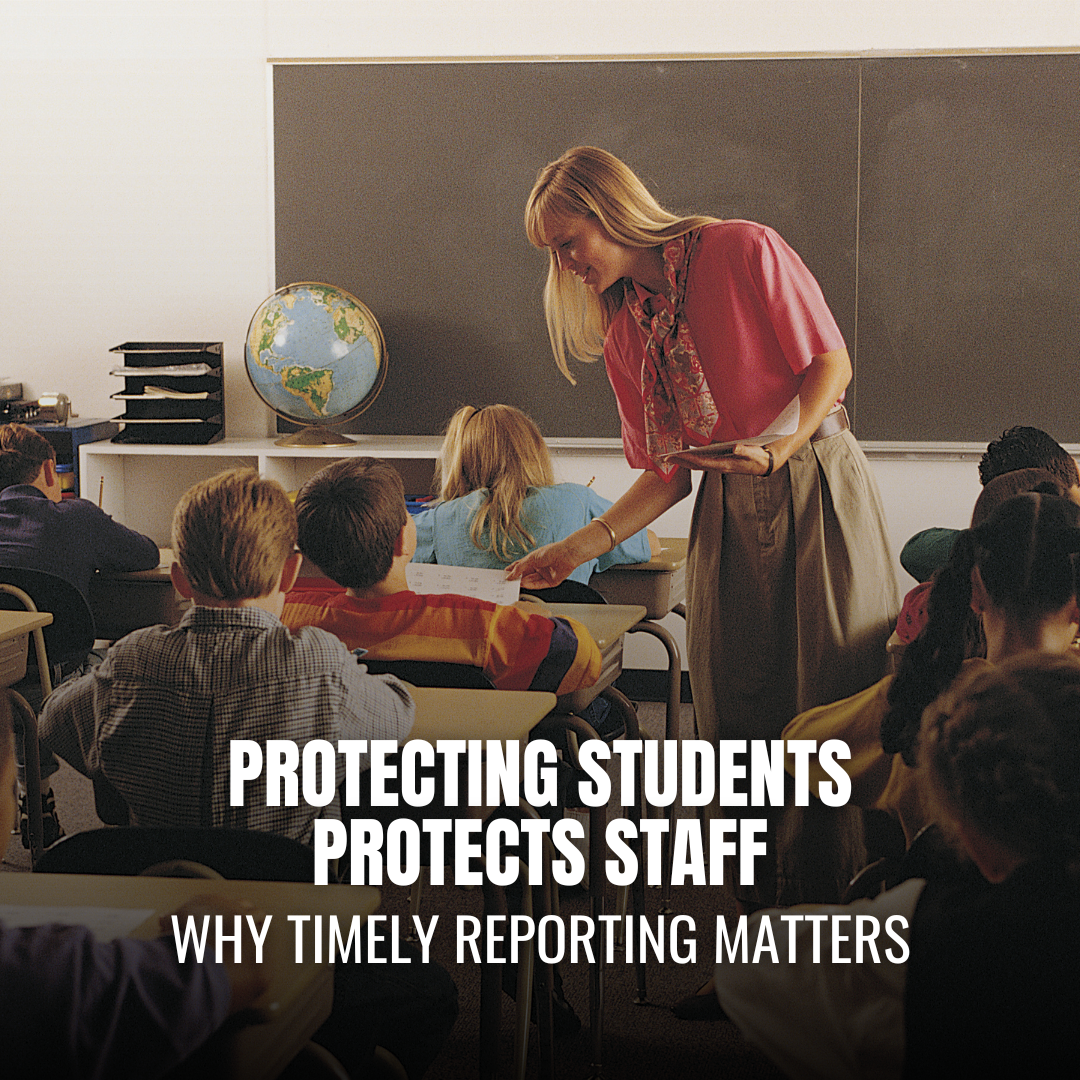
In the education industry, protecting students is not only a moral responsibility. It is a legal obligation. Teachers, administrators, counselors, and support staff are often designated as mandated reporters under state law. When concerns about abuse or neglect arise, the expectation is clear. Action must be taken.
Failure to report suspected abuse does not just place children at risk. It also exposes staff and organizations to serious legal, professional, and personal consequences.
Understanding Mandatory Reporting in Education
Mandatory reporting laws exist in every US state. While specific requirements vary, the core responsibility remains the same. Certain professionals who work with children must report suspected abuse or neglect to the appropriate authorities.
In educational settings, mandated reporters often include:
- Teachers and instructional staff
- School administrators
- Counselors and social workers
- Coaches and activity leaders
- Support and paraprofessional staff
These obligations apply whether the concern arises on campus, during school-sponsored activities, or through information shared by a student.
The Risk of Not Reporting
One of the most common misconceptions is that reporting requires certainty. In reality, mandated reporters are not responsible for investigating or proving abuse. They are required to report reasonable suspicion.
When staff hesitate or fail to report, the risks increase significantly.
Legal Consequences
Failure to report can lead to criminal charges, civil liability, and fines depending on state law. In some cases, penalties include misdemeanor charges or jail time.
Professional Consequences
Educators and staff may face disciplinary action, loss of licensure, or termination of employment. A failure to report can follow an individual throughout their career.
Personal and Organizational Risk
When reporting obligations are not met, organizations may face lawsuits, regulatory scrutiny, and reputational damage. More importantly, children may remain in unsafe situations longer than necessary.
Why Education Staff Hesitate
Despite clear laws, underreporting still occurs. Common reasons include:
- Uncertainty about what qualifies as reportable behavior
- Fear of being wrong
- Concern about damaging relationships with families or colleagues
- Lack of familiarity with reporting procedures
These gaps highlight the need for consistent and accessible training.
The Role of Mandatory Reporter Training
Mandatory Reporter Training helps education professionals understand their responsibilities and act with confidence when concerns arise. Training removes uncertainty by clearly outlining what to look for and what steps to take.
Well-trained staff are more likely to:
- Recognize signs of abuse or neglect
- Understand reporting timelines and procedures
- Act promptly without fear of making the wrong decision
- Protect themselves by following the law
Featured Course: TAP Series Mandatory Reporter Training
TAP Series Mandatory Reporter Training is designed for all mandated reporters who work with children, including those in educational environments.
This course provides:
- Clear guidance on mandatory reporting laws and responsibilities
- Step-by-step instruction on how to make a report
- Practical scenarios to support real-world decision making
- Engaging, self-paced training that takes approximately 60 to 90 minutes
- A post-training assessment to reinforce learning
- A Certificate of Completion to document compliance
The course is built for convenience. Staff can complete the training at their own pace from a PC, tablet, or mobile device without the need for group sessions or classroom scheduling.
Protecting Children Also Protects Staff
Mandatory reporting is not only about compliance. It is about creating a culture of safety and accountability. When education professionals are trained and confident, they are better prepared to act in the best interest of students while protecting themselves and their organizations.
Failure to report places everyone at risk. Knowledge, preparation, and timely action reduce that risk.
Final Thoughts
Mandatory reporting in the education industry carries serious responsibility. When staff understand their role and know how to respond, they become a vital line of protection for children.
TAP Series Mandatory Reporter Training empowers education professionals with the knowledge and confidence to act when it matters most. Protecting children starts with informed action and the right training in place.