Child Protection Training For School Staff
Mandatory Reporting in Education: Why Failure to Report Puts Staff at Risk
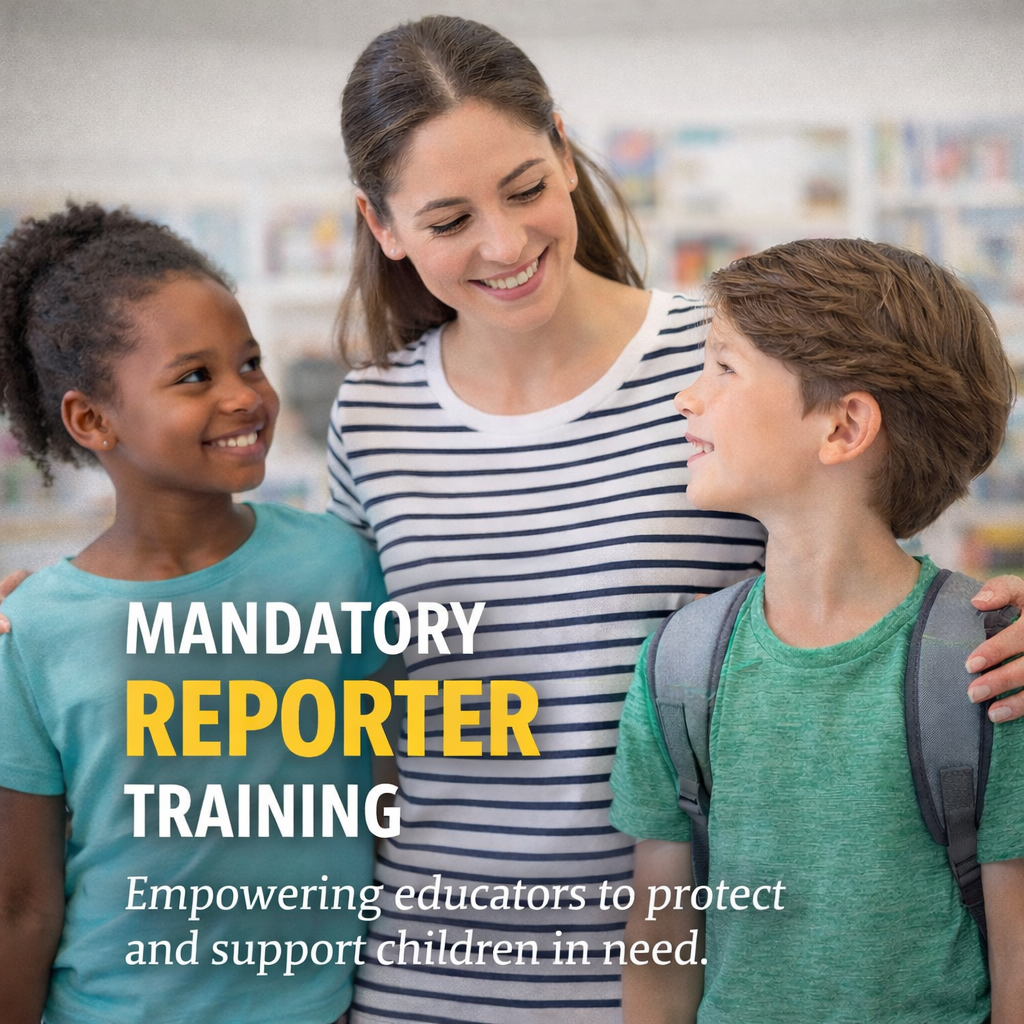
Schools and educational institutions play a critical role in protecting children. Teachers, administrators, counselors, and support staff are often the first adults outside the family who may notice signs of abuse or neglect. Because of this responsibility, many education professionals in the United States are designated as mandated reporters.
Mandatory reporting laws exist to protect children and ensure that concerns are addressed quickly. However, when warning signs are ignored or reporting procedures are misunderstood, the consequences can extend beyond student safety. Failure to report suspected abuse can place school staff and institutions at serious legal and professional risk.
Proper training helps education professionals recognize warning signs, understand legal responsibilities, and take the correct steps when a concern arises.
Understanding the Role of Mandated Reporters in Education
Mandated reporters are individuals who are legally required to report suspected child abuse or neglect to appropriate authorities. In the education sector, this responsibility commonly applies to:
- Teachers
- School administrators
- School counselors
- Support staff and paraprofessionals
- Coaches and extracurricular program leaders
These professionals interact with students daily and are often in the best position to observe behavioral changes, physical indicators, or concerning family circumstances.
Mandatory reporting laws require staff to act when there is reasonable suspicion of abuse or neglect, not when there is proof. Waiting for confirmation or attempting to investigate independently can delay critical intervention.
The Risks of Failing to Report Suspected Abuse
When signs of abuse or neglect are overlooked or ignored, the consequences can affect both students and school staff.
Failure to report may lead to:
- Continued harm to the child
- Legal penalties for staff members
- Loss of professional licenses
- Institutional liability for schools and districts
- Damage to organizational reputation and public trust
Educators sometimes hesitate to report because they fear being wrong, damaging relationships with families, or misunderstanding the situation. However, mandated reporter laws are designed to protect staff who report concerns in good faith.
Understanding reporting procedures and legal protections helps staff act confidently when concerns arise.
Recognizing Signs of Abuse and Neglect
One of the most important responsibilities of mandated reporters is recognizing warning signs. Abuse and neglect can appear in several forms, and the indicators may be physical, emotional, or behavioral.
Common signs may include:
- Unexplained injuries or repeated physical harm
- Sudden changes in behavior or academic performance
- Fear of going home or fear of certain individuals
- Poor hygiene, malnutrition, or inadequate supervision
- Withdrawal, anxiety, or aggressive behavior
Recognizing these signs early allows educators to take action before a situation becomes more serious.
Understanding Types of Child Abuse
Education professionals must understand the different forms of abuse and neglect in order to recognize potential concerns.
- Physical Abuse
Intentional physical harm to a child, such as hitting, shaking, or burning. - Emotional Abuse
Patterns of behavior that damage a child’s emotional development or sense of self worth. - Sexual Abuse
Any sexual activity involving a child, including exploitation or inappropriate contact. - Neglect
Failure to provide necessary care, supervision, education, or basic needs such as food, shelter, and medical attention.
Training helps staff understand how these forms of abuse may appear in a school environment.
How Mandatory Reporter Training Supports Education Professionals
Mandatory reporting responsibilities can feel overwhelming without proper preparation. Structured training ensures that school employees understand how to respond appropriately when concerns arise.
The Mandatory Reporter Training course from TAP Series provides essential guidance for education professionals who must fulfill reporting obligations.
Learn more about the course here:
Mandatory Reporter Training | Tap Series®
This training program empowers mandated reporters with the knowledge and confidence needed to protect students while meeting legal requirements.
Key Skills Developed Through Mandatory Reporter Training
Participants gain practical skills that help them recognize and respond to potential abuse situations.
Recognizing Signs of Abuse and Neglect
Employees learn how to identify behavioral, emotional, and physical indicators that may signal a child is at risk.
Differentiating Types of Abuse
Training explains the distinctions between physical abuse, emotional abuse, sexual abuse, and neglect.
Documenting Information Properly
Accurate documentation is essential when reporting concerns. Staff learn how to record observations clearly and responsibly.
Understanding Reporting Laws and Protocols
Participants learn how reporting laws apply to mandated reporters and how to follow proper reporting procedures.
Making the Reporting Process Clear and Manageable
One of the biggest barriers to reporting is uncertainty about the process. Staff may hesitate if they are unsure how or where to report concerns.
The TAP Series course helps simplify the process by teaching participants how to:
- Recognize when a situation requires a report
- Follow correct reporting procedures
- Act promptly when concerns arise
- Maintain compliance with legal reporting requirements
By clarifying these steps, the training helps eliminate confusion and encourages prompt action.
Protecting Students and Supporting Education Professionals
Schools are trusted environments where children should feel safe and supported. Education professionals play a vital role in identifying risks and ensuring that concerns are addressed quickly.
When staff members understand their responsibilities as mandated reporters, they are better prepared to protect students while also protecting themselves and their institutions from legal and professional consequences.
Providing structured training such as Mandatory Reporter Training equips education professionals with the knowledge and confidence needed to act when it matters most. Through awareness, preparation, and timely reporting, schools can strengthen their commitment to child safety and responsible educational leadership.