Training Sessions
Maryland Department of Transportation Settles EEOC Sex Discrimination Lawsuit for $40,000
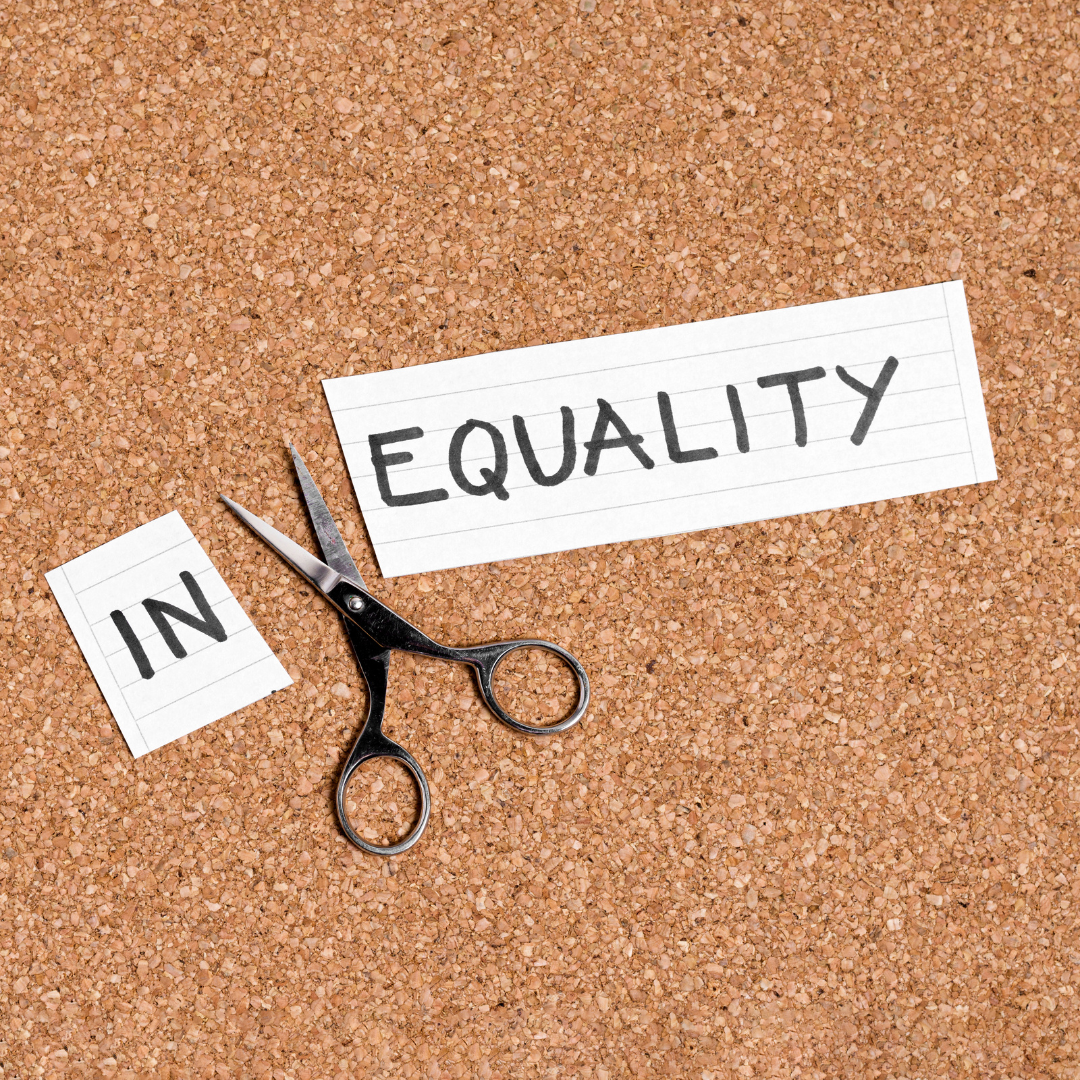
In a significant development, the Maryland Department of Transportation State Highway Administration (MDOTSHA) has agreed to pay $40,000 to settle an equal pay case brought by the U.S. Equal Employment Opportunity Commission (EEOC). The federal agency disclosed this news, emphasizing the importance of upholding fair compensation practices.
Background of the Case:
The lawsuit, filed in the U.S. District Court for the District of Maryland (Case No. 1:22-cv-00061-BAH), alleges that MDOTSHA paid a male district community liaison (DCL) lower wages than his female counterparts. Despite the male employee possessing greater experience and tenure in the role, his requests to rectify the pay disparity or receive an explanation were reportedly ignored.
This alleged conduct violates the Equal Pay Act of 1963, which prohibits pay discrimination between individuals of the opposite sex performing equal work. After attempting pre-litigation settlement through conciliation, the EEOC took legal action to address the issue and ensure fair compensation practices.
Terms of Settlement:
As part of the consent decree resolving the litigation, MDOTSHA has agreed to pay $40,000 in monetary relief to the male DCL, covering back pay and other damages. The settlement also mandates preventing future pay discrimination or retaliation within the agency. MDOTSHA must increase the male employee's salary to match that of a higher-paid female colleague, retroactively accounting for this adjustment. Furthermore, adjustments to the employee's pension are also required.
In addition to financial restitution, MDOTSHA will conduct training sessions for human resources and management officials involved in compensation decisions. A notice will be issued to employees to reinforce the organization's commitment to fair pay practices.
Conclusion:
This settlement clearly conveys the importance of equal pay for equal work. While pay disparity issues often impact women, this case underscores that the Equal Pay Act also extends to males. Employers are reminded by the law to review and adjust their pay systems to ensure fairness in compensation.
Debra Lawrence, the EEOC's Regional Attorney in Philadelphia, emphasized the significance of adhering to fair pay practices, stating, "Though pay disparity for performing equal work most often affects women in the workplace, the Equal Pay Act applies to males as well. Employers should be mindful of their pay systems and be prepared to adjust their employees' compensation by the law."
Rosemarie Rhodes, EEOC's Baltimore Field Office Director, affirmed the commitment of the EEOC to assist any worker who believes the law needs to be followed, stating, "In addition to the law itself, fundamental fairness dictates that employees receive equal pay for equal work. The EEOC is here to assist any worker who believes the law is not being followed."