Healthcare Employer Legal Case
Mayo Clinic Sued for Allegedly Denying Religious Exemption to COVID-19 Vaccine
Background
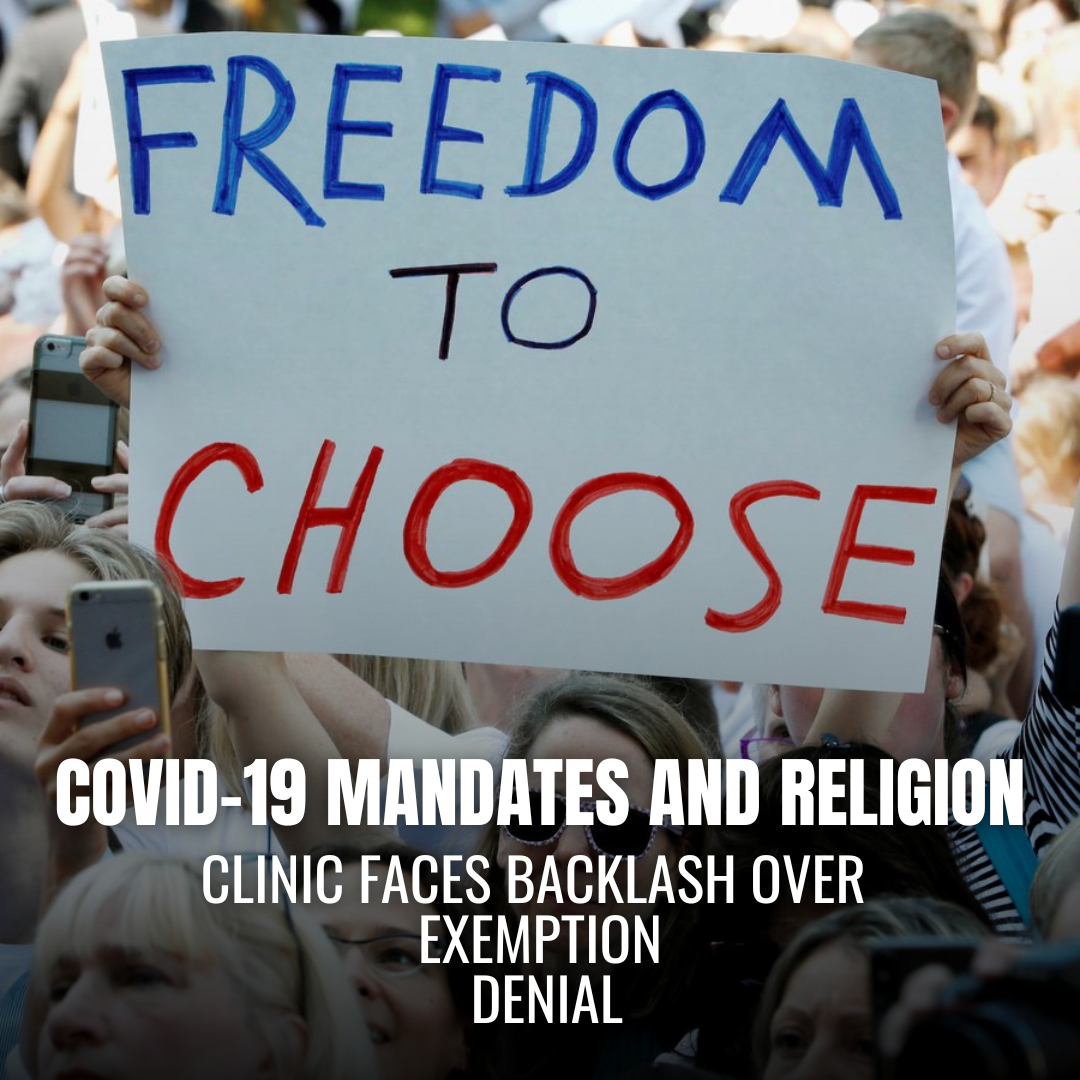
The Mayo Clinic, a nationally renowned healthcare organization with hospitals in Minnesota, Arizona, and Florida, is facing a federal lawsuit over claims that it failed to honor an employee’s request for a religious exemption to its COVID-19 vaccination policy. The case brings renewed attention to the legal obligations employers have when enforcing workplace health mandates that intersect with employees’ religious beliefs.
Incident Details
According to the complaint filed by the U.S. Equal Employment Opportunity Commission (EEOC), a male security guard employed in a non-clinical role at the Mayo Clinic requested a religious accommodation to opt out of the clinic’s mandatory COVID-19 vaccination policy. The employee cited sincerely held religious beliefs as the basis for his request and proposed alternative safety measures, such as regular COVID-19 testing and consistent mask-wearing.
The Mayo Clinic allegedly denied the request after concluding that the employee’s religious beliefs were not sincere. Faced with the threat of job termination, the employee ultimately complied with the vaccination requirement despite his religious objections.
Legal Background
The lawsuit alleges that the Mayo Clinic’s actions violated Title VII of the Civil Rights Act of 1964. Title VII prohibits employers from discriminating against employees based on religion and requires that reasonable accommodations be provided unless doing so would impose an undue hardship on the employer. Refusing an accommodation without sufficient justification or questioning the sincerity of a belief without due process may constitute unlawful discrimination.
Relief Sought
The EEOC filed the lawsuit (EEOC v. Mayo Clinic, Case No. 0:25-cv-03066) in the U.S. District Court for the District of Minnesota after efforts to resolve the matter through conciliation failed. The EEOC is seeking:
- Compensatory and punitive damages for the affected employee
- Injunctive relief to prevent future occurrences
- Policy revisions to ensure compliance with federal laws regarding religious accommodations
Key Takeaways
- Religious accommodation requests must be evaluated carefully and without bias.
- Employers may not dismiss an employee’s beliefs solely based on perceived sincerity.
- Mandatory vaccination policies must include lawful exemption processes for religion.
Conclusion
This case serves as a significant reminder for employers to balance workplace safety policies with federal civil rights protections. The outcome of the lawsuit could set a precedent for how religious accommodation requests tied to vaccine mandates are handled, particularly in healthcare and other high-compliance industries. As legal scrutiny increases, organizations should review their accommodation procedures to avoid similar litigation.