Employee Rights Violation
Monson Fruit Settles Sexual Harassment Lawsuit for $250,000 Following Manager Misconduct Allegations
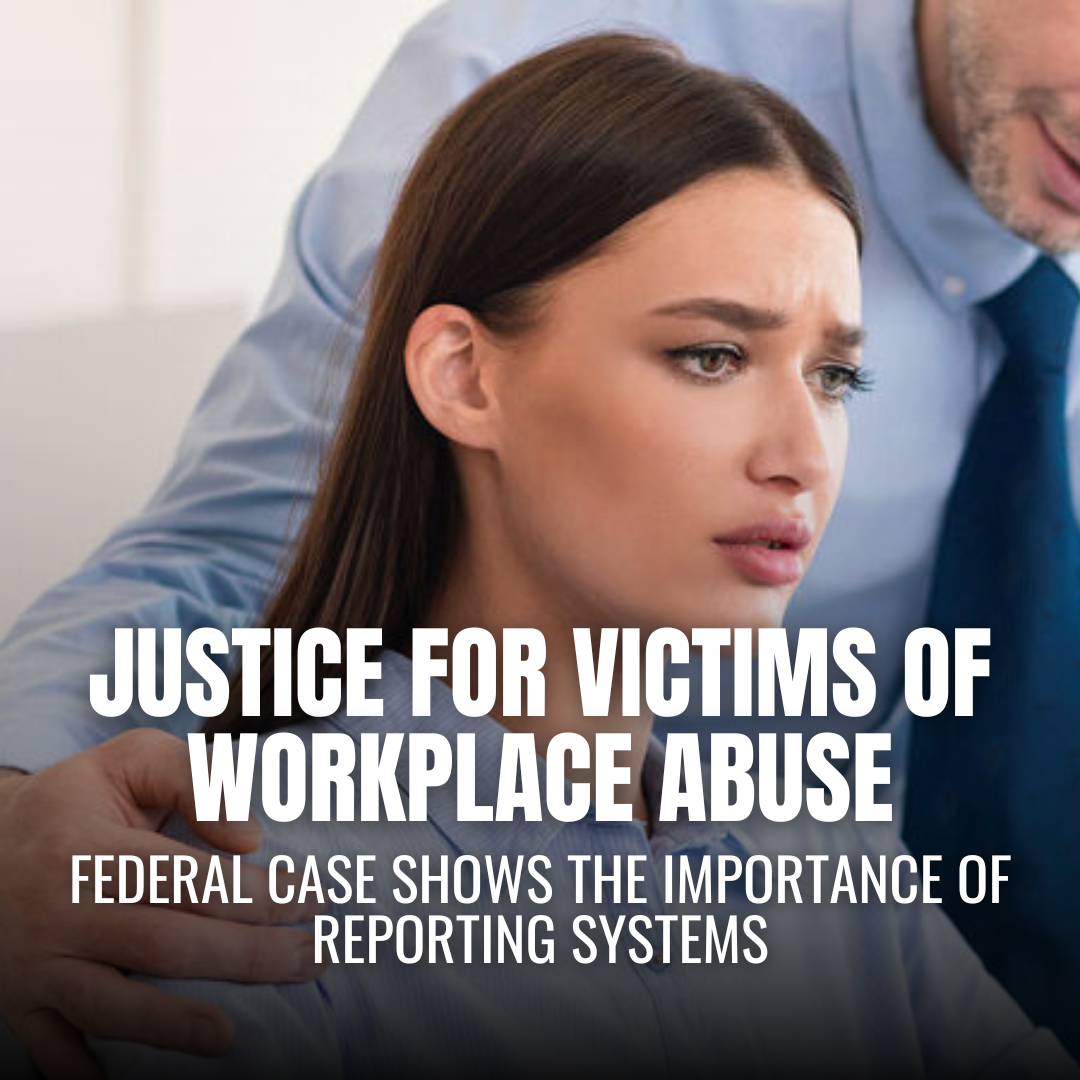
Background:
In 2019, agricultural workers at Monson Fruit Co., a produce company in Yakima, Washington, came forward with allegations of sexual harassment and retaliation in the workplace. The case involved a female worker who reported repeated unwanted advances by a manager. After she spoke up, her husband—a coworker—was allegedly fired in retaliation. These events led to legal action by the U.S. Equal Employment Opportunity Commission (EEOC).
Details of the Incident:
According to the EEOC’s lawsuit, a Latina agricultural worker experienced ongoing sexual harassment from a Monson Fruit manager. The behavior included repeated, unsolicited sexual advances and requests for sex. After she rejected these advances and reported the harassment, the worker’s husband, who was also employed by the company, was terminated in what was described as retaliatory action. The company’s leadership at the time reportedly failed to intervene or address the complaints.
Legal Background:
This case falls under Title VII of the Civil Rights Act of 1964, which prohibits discrimination on the basis of sex and protects workers from sexual harassment and retaliation. Employers are legally obligated to act promptly and effectively when they are made aware of workplace misconduct. Failure to take action may result in liability and federal enforcement.
Settlement and Relief Provided:
To resolve the lawsuit, Monson Fruit agreed to a three-year consent decree that includes the following relief:
- $250,000 in compensation for the two affected former employees.
- Implementation of enhanced sexual harassment prevention policies.
- Establishment of a new anonymous reporting hotline.
- Mandatory training for supervisors and managers on sexual harassment and investigation procedures.
- Permanent removal of the accused manager from any supervisory role.
Monson's current ownership—who were not involved during the time of the incident—cooperated with the EEOC to resolve the case.
Key Takeaways:
- Employers are accountable for addressing and resolving sexual harassment, regardless of when ownership changes.
- Retaliation against those who report misconduct is a serious violation of federal law.
- Preventative infrastructure, including training and reporting systems, is essential to a compliant workplace.
Conclusion:
The Monson Fruit case underscores the critical responsibility employers have to prevent and respond to workplace harassment. It also highlights the far-reaching consequences of inaction, both in terms of employee well-being and legal exposure. With proactive measures and a firm commitment to compliance, companies can foster safer, more respectful work environments.
Recommendation: Protect Your Workplace with TAP Series Training
Preventing sexual harassment begins with awareness and education. We strongly recommend implementing Sexual Harassment Prevention Training through TAP Series — a trusted industry leader in online compliance education.
TAP Series is known for its legally compliant, convenient, and comprehensive training programs that fit seamlessly into busy workplace schedules. Their online courses equip teams with the knowledge and tools needed to recognize, report, and prevent workplace misconduct.
By partnering with TAP Series, your company can stay ahead of compliance requirements, protect employee rights, and build a respectful, harassment-free culture. Demonstrate your commitment to workplace integrity—choose TAP Series, the proven solution in online sexual harassment prevention.