Food Safety Inspection Preparation
Regulatory Reality in Grocery: What Inspectors Actually Check During Grocery Inspections
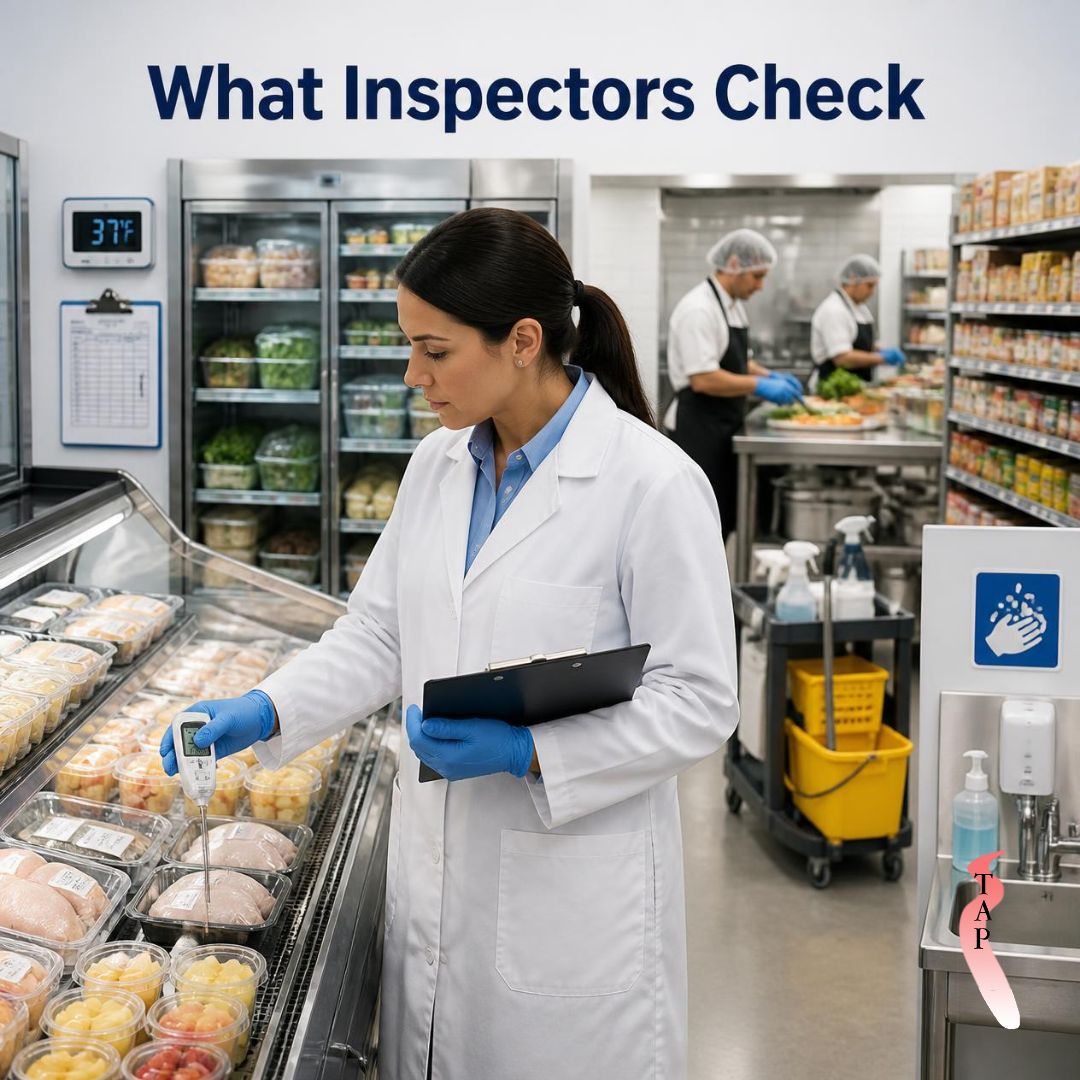
Grocery Inspections Go Beyond Looking at the Food
A grocery store inspection is not simply a quick check of expiration dates or whether food looks clean. Grocery inspections are designed to evaluate whether a store is following food safety requirements and controlling conditions that could contribute to foodborne illness.
Inspectors may examine food handling practices, employee hygiene, temperatures, equipment, storage, cleaning procedures, pest activity, and other conditions throughout the operation. For grocery companies, understanding what inspectors actually look for can help managers identify problems before they become violations.
A store that appears clean to customers may still have food safety issues behind the scenes. That is why consistent training and daily monitoring are important parts of maintaining compliance.
What Inspectors May Check During a Grocery Inspection
Food safety inspections typically evaluate conditions that can directly or indirectly affect the safety of food. The exact inspection process can vary by jurisdiction, but grocery operations should be prepared for inspectors to examine multiple areas of the store.
Common inspection areas include:
- Employee hygiene: Inspectors may observe handwashing practices, glove use, employee illness policies, and other personal hygiene requirements.
- Food temperatures: Refrigerated, frozen, cooked, and hot-held foods may be checked to determine whether they are being maintained at appropriate temperatures.
- Food storage: Inspectors may look for proper storage practices, including protection from contamination and appropriate separation of foods.
- Cross-contamination prevention: Raw foods, ready-to-eat foods, utensils, equipment, and food preparation areas should be managed to prevent contamination.
- Cleaning and sanitizing: Food contact surfaces, equipment, utensils, and preparation areas may be examined for proper cleaning and sanitizing.
- Date marking: Ready-to-eat foods that require time and temperature control may need appropriate date marking and disposition.
- Pest control: Evidence of insects, rodents, or other pests can become a significant food safety concern.
- Food sources: Inspectors may verify that food is obtained from approved sources and handled appropriately.
- Equipment condition: Refrigeration units, food preparation equipment, thermometers, sinks, and other equipment may be evaluated.
- Facility conditions: Floors, walls, ceilings, lighting, plumbing, waste disposal, and other physical conditions can also be part of an inspection.
Temperature Control Is a Major Focus
Temperature control is one of the most important areas inspectors may evaluate because improper temperatures can allow harmful microorganisms to multiply.
Grocery stores handle many foods that require time and temperature control for safety, including meat, poultry, seafood, dairy products, prepared foods, and certain deli items.
Managers should have procedures for:
- Checking temperatures regularly
- Recording temperatures when required
- Maintaining refrigeration and hot-holding equipment
- Responding quickly when temperatures fall outside acceptable limits
- Using properly calibrated thermometers
Employees should also understand that checking a thermometer once is not enough. Temperature control requires ongoing monitoring throughout daily operations.
Inspectors Watch How Employees Handle Food
An inspection can reveal problems simply by observing employees as they work.
An employee may unintentionally create a food safety risk by touching ready-to-eat food with bare hands, failing to wash hands properly, using the same utensil for different foods, or handling food after performing another task without following proper hygiene procedures.
This makes employee training especially important.
Food handlers should understand not only what the rules are, but why those rules matter. When employees understand the risks associated with improper food handling, they are more likely to recognize unsafe practices and correct them.
Cleaning and Sanitizing Are Not the Same Thing
A grocery store can look clean while still having food safety concerns.
Inspectors may evaluate whether food contact surfaces are properly cleaned and sanitized. Equipment that appears free of visible debris may still require appropriate sanitizing procedures to reduce harmful microorganisms.
Grocery operations should establish clear procedures for:
- Cleaning food preparation surfaces
- Sanitizing food contact surfaces
- Cleaning and maintaining utensils
- Maintaining sinks and dishwashing equipment
- Preventing chemical contamination
- Keeping cleaning supplies properly stored
- Following appropriate cleaning schedules
Employees should know which products and procedures are appropriate for each cleaning and sanitizing task.
Cross-Contamination Can Happen Anywhere
Grocery stores have many areas where different foods and activities overlap. Meat departments, seafood counters, deli operations, bakeries, produce sections, prepared food areas, and grocery aisles can all present different food safety challenges.
Inspectors may look for practices that could allow contamination to move from one food or surface to another.
Common examples include:
- Storing raw meat above ready-to-eat foods
- Using contaminated utensils
- Failing to clean and sanitize food contact surfaces
- Handling ready-to-eat foods with bare hands when prohibited
- Using improperly cleaned cutting boards
- Allowing dirty equipment to come into contact with food
Preventing cross-contamination requires employees to understand proper food separation and handling procedures throughout the store.
Grocery Managers Need to Know the Rules Too
Food safety should not depend entirely on individual employees remembering what to do. Managers play an important role in creating systems that support compliance.
A Retail Food Safety Manager should be prepared to identify potential hazards, monitor food safety practices, respond to problems, and help employees follow established procedures.
Managers can strengthen inspection readiness by regularly reviewing:
- Food temperatures
- Employee hygiene
- Cleaning and sanitizing
- Food storage
- Equipment conditions
- Date marking
- Pest activity
- Food handling procedures
- Corrective actions
- Employee training
Regular internal checks can help identify issues before an inspector discovers them.
Training Helps Turn Regulations Into Daily Practices
Food safety regulations can be complex, particularly for grocery companies operating multiple departments or locations. Employees need practical training that connects regulatory requirements to the tasks they perform every day.
TAP Series® offers training designed to help food service and retail food employees understand essential food safety responsibilities.
For employees who handle food, Food Handler Training | TAP Series® can help reinforce proper food handling practices and food safety awareness.
For managers responsible for overseeing retail food safety programs, Retail Food Safety Manager | TAP Series® provides training focused on the responsibilities involved in managing food safety within a retail environment.
Be Ready Before the Inspector Arrives
A grocery store should not become inspection-ready only when an inspector walks through the door.
The strongest food safety programs make compliance part of everyday operations. Employees should know proper procedures, managers should monitor those procedures, and problems should be addressed before they become recurring violations.
Inspectors may check temperatures, observe employee practices, examine food storage, review sanitation conditions, and look for evidence of potential contamination. Being prepared means making those standards part of the daily routine.
For grocery companies, effective food safety training can help employees and managers recognize risks, respond to problems, and maintain safer operations every day.