Food Safety Courses For Grocery Employees
Regulatory Reality in the Grocery Industry: What Inspectors Actually Check — And Why Training Matters
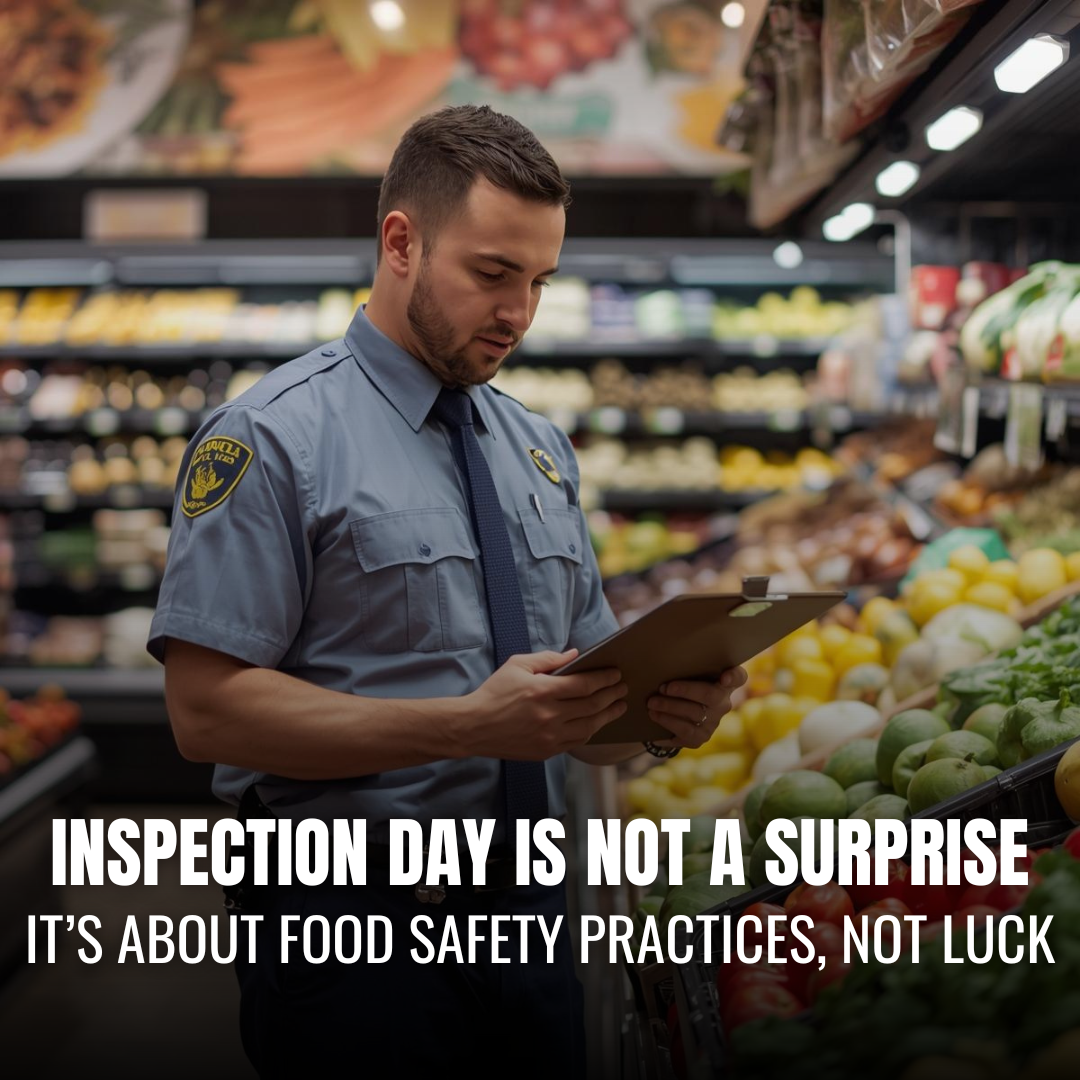
In the hustle and bustle of daily grocery operations — stocking shelves, managing delis, running produce, and ensuring customer satisfaction — one constant remains: regulatory inspections. These visits are inevitable, and how prepared your team is can be the difference between a smooth inspection and one filled with violations, corrective actions, or worse, business disruption.
Let’s walk through what inspectors actually focus on when they step inside your store — and why investing in proper food safety training isn’t just compliance, it’s smart business.
What Do Grocery Inspectors Really Look For?
Health and safety inspections aren’t random “gotchas.” They’re thorough checks based on established standards designed to protect public health. In grocery stores — especially those with food prep, deli, or ready-to-eat areas — inspectors will spend hours evaluating multiple aspects of your operations.
Here’s what they’re checking:
1. Food Handling and Temperature Control
Inspectors focus on how foods are handled from delivery to display:
- Are temperature-controlled foods held at the correct temperatures?
- Are refrigeration units functioning and logged properly?
- Is raw food separated from ready-to-eat products?
Time-Temperature Controlled for Safety (TCS) foods are high-risk if mishandled — and you’ll want your team to know why.
2. Personal Hygiene and Employee Practices
Do your employees wash hands when required? Wear appropriate protective gear? Avoid bare-hand contact with ready-to-eat food? These are basic but critical checks during every inspection.
3. Sanitation and Cleanliness
Floors, preparation surfaces, utensils, and equipment aren’t judged on aesthetics alone — they’re evaluated for sanitation standards and risk of contamination.
Inspectors look for:
- Clean cutting boards and slicers
- Properly sanitized utensils
- Lack of pest evidence
- Organized and clean storage areas
Even small lapses can lead to violations — and unnecessary re-inspections.
4. Documentation and Recordkeeping
Inspectors ask for temperature logs, cleaning schedules, pest control invoices, and training records. Not having proof of compliance can be as problematic as non-compliance itself.
5. Facility Standards and Safety Protocols
Lighting, hot water availability, waste disposal, and overall facility maintenance are part of the picture. These are regulatory requirements — and inspectors are trained to look at the whole environment.
The Missing Link: Knowledge and Preparedness
Here’s the reality: many violations result from lack of understanding, not intent. Well-trained employees and managers are better prepared to handle inspections confidently — and to keep your customers safe.
That’s where professional training becomes invaluable.
Featured Courses That Make a Difference
Food Handler Training
Your front-line staff should understand safe food practices from day one. A solid Food Handler Course gives employees foundational knowledge on:
- Personal hygiene
- Cross-contamination prevention
- Safe food handling basics
Well-trained handlers reduce common violations related to temperature control, contamination, and hygiene — all top inspection priorities.
Tip: Make this training part of onboarding so your team starts with the right habits.
Retail Food Safety Manager Certification Training
For supervisors and managers who oversee food safety operations, certification isn’t just a regulatory checkbox — it’s a confidence builder.
TAP Series Retail Food Safety Manager Certification Training is designed specifically for retail environments like grocery stores. With this course, your management team will gain skills in:
- Food safety awareness and compliance
- Cross-contamination prevention
- Temperature control systems
- Safe food storage procedures
- Active management controls
- Personal hygiene policies
This 8-hour online training helps managers anticipate what inspectors will focus on — and why. Graduates are better equipped to lead their teams, reduce violations, and keep operations running smoothly.
Why Investing in Training Pays Off
- Less Stress During Inspections - With trained teams, inspections become less about scrambling and more about demonstrating good practices.
- Fewer Violations, Fewer Costs - Reduced violations mean fewer fines, fewer re-inspections, and more time focusing on customers and sales.
- Better Customer Confidence - Food safety isn’t just regulatory — it’s a trust issue. A confident, compliant store bolsters customer trust and brand reputation.
Final Thought: Regulations Are Real — But Your Readiness Can Be Realer
Regulatory inspections are a fact of life in the grocery industry. What isn’t inevitable, though, is stress, violations, and operational disruptions.
With well-structured training — from fundamental Food Handler courses to advanced Retail Food Safety Manager Certification — you equip your team with the knowledge to not only pass inspections but to build safer, stronger operations.
Want to take inspection stress off your checklist? Explore how TAP Series training can help your grocery team stay compliant, confident, and inspection-ready.