Supermarket Health Inspection Readiness
Regulatory Reality in the Grocery Industry: What Inspectors Actually Check During Grocery Inspections
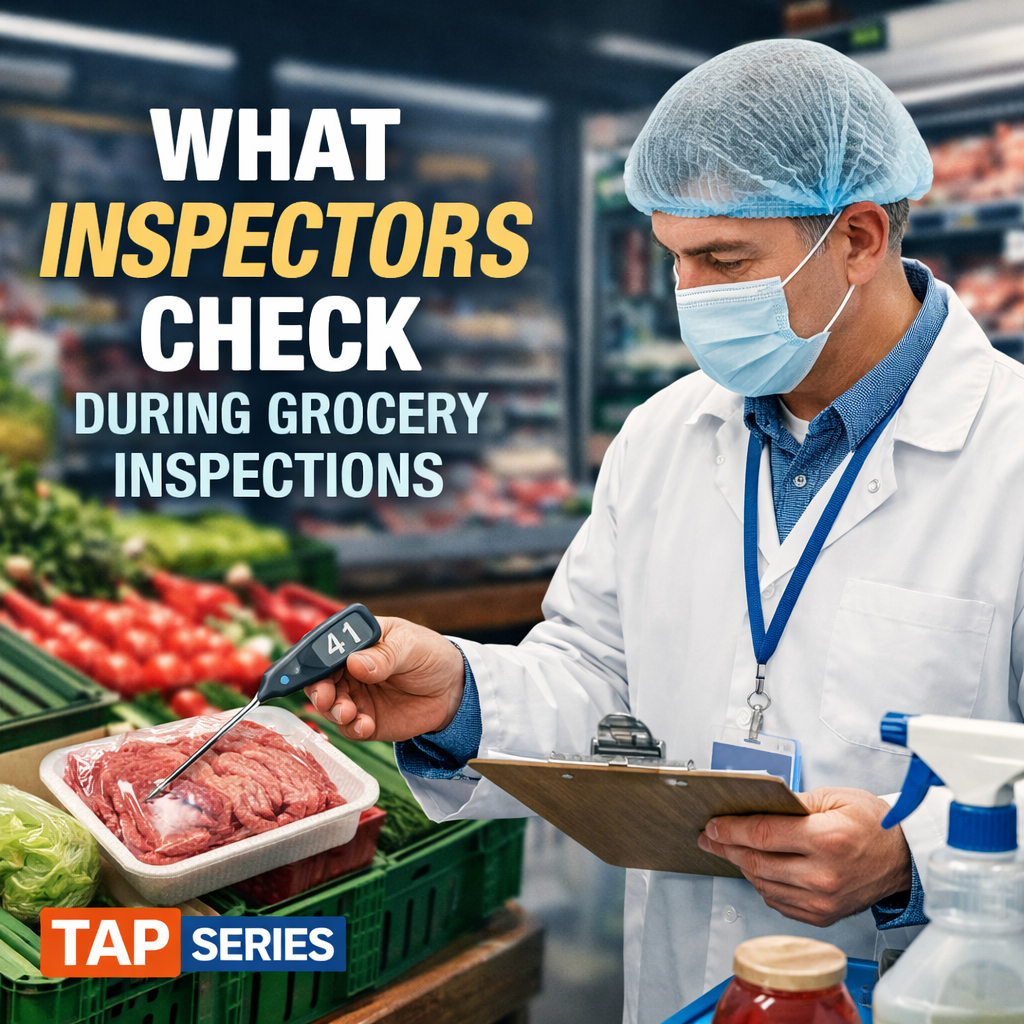
For U.S. grocery operators, regulatory compliance is not theoretical. Grocery inspections are detailed, structured evaluations that directly impact daily operations, public health, and brand reputation. Understanding what inspectors actually check allows businesses to prepare proactively rather than react defensively.
Health inspections are designed to verify that food is stored, handled, prepared, and managed according to local and federal food safety regulations. Inspectors are not only looking for visible cleanliness. They are evaluating systems, employee practices, documentation, and managerial oversight.
Below is what inspectors consistently focus on during grocery inspections.
Time and Temperature Control
Improper temperature control remains one of the leading causes of foodborne illness.
Inspectors typically verify:
- Cold holding temperatures for refrigerated products
- Hot holding temperatures for prepared foods
- Proper cooling procedures for cooked items
- Thermometer accuracy and calibration
- Temperature logs and monitoring practices
Failure to maintain proper time and temperature controls can result in violations, product disposal, or follow up inspections. Employees must understand safe temperature ranges and how micro organisms grow when food is not properly controlled.
Employee Health and Personal Hygiene
Inspectors closely observe employee practices because human handling is a major contamination risk.
They look for:
- Proper and frequent handwashing
- Glove use when required
- No bare hand contact with ready to eat foods
- Hair restraints and clean uniforms
- Policies for reporting employee illness
Managers are often asked how they handle illness reporting and what procedures are in place to exclude or restrict sick employees from food handling duties.
Cross Contamination Prevention
Preventing cross contamination is a core inspection priority.
Inspectors check:
- Separation of raw and ready to eat foods
- Proper storage hierarchy in refrigerators
- Clean and sanitized cutting boards and utensils
- Proper labeling and date marking
- Safe food flow from receiving to storage to display
Improper storage order, shared equipment, or poor labeling can quickly lead to violations.
Cleaning and Sanitizing Procedures
Clean facilities are expected, but inspectors go deeper than surface appearance.
They evaluate:
- Sanitizer concentrations and testing logs
- Cleaning schedules for equipment and food contact surfaces
- Dishwashing procedures
- Maintenance of floors, drains, and storage areas
- Pest prevention controls
Documented procedures and consistent execution demonstrate active managerial control.
Food Source and Receiving Practices
Inspectors also verify that food comes from approved sources and is received safely.
They may review:
- Supplier documentation
- Delivery temperature checks
- Packaging integrity
- Signs of spoilage or contamination
Proper receiving procedures are the first step in preventing food safety issues before products reach shelves or prep areas.
Managerial Control and Documentation
Beyond employee behavior, inspectors assess management oversight.
They often examine:
- Written food safety policies
- HACCP plans where required
- Temperature logs and corrective action records
- Training documentation
- Procedures for handling recalls
Inspectors want to see that food safety is systematic, not reactive.
The Regulatory Risk for Grocery Operators
Common inspection gaps in grocery environments include:
- Inconsistent temperature monitoring
- Lack of formal illness reporting procedures
- Incomplete cleaning documentation
- Improper food storage hierarchy
- Limited staff understanding of contamination risks
Even well maintained stores can face violations if employees are not properly trained or if managers lack structured food safety oversight.
Building Inspection Readiness Through Structured Training
Compliance is strongest when training reinforces daily habits.
TAP Series offers practical, accessible training solutions designed specifically for food retail environments.
Food Handler Training
Food Handler Training | TAP Series
This course equips frontline grocery employees with essential food safety knowledge, including:
- Understanding time and temperature dynamics
- Preventing contamination at every stage of handling
- Strengthening personal hygiene practices
- Cleaning and sanitizing protocols
- Identifying risks before, during, and after delivery
Employees learn how their daily behaviors directly impact inspection outcomes and customer safety.
Retail Food Safety Manager Certification Training
Retail Food Safety Manager Certification Training | TAP Series
For supervisors and department managers, this certification training focuses on:
- Preventing food borne illness
- PDA's five most common risk factors
- Managerial roles and compliance responsibilities
- Handling employee illness reports
- Cross contamination awareness
- Flow of food and temperature monitoring
- Setting up HACCP plans
Managers who understand inspection priorities are better prepared to lead teams, correct issues early, and maintain consistent compliance standards.
Why Training Matters Before the Inspection
When grocery employees and managers understand what inspectors evaluate, they can:
- Maintain consistent food safety habits
- Reduce risk of violations and re inspections
- Protect customers from preventable illness
- Strengthen operational efficiency
- Build trust with regulators and communities
Inspection readiness is not about preparing the night before. It is about building a culture of food safety that is reinforced daily.
For U.S. grocery companies, regulatory reality demands preparation, structure, and accountability. Investing in Food Handler Training and Retail Food Safety Manager Certification through TAP Series strengthens compliance confidence and protects long term operational success.