Customer-facing Workplace Training
Sexual Harassment Prevention in Retail Workplaces
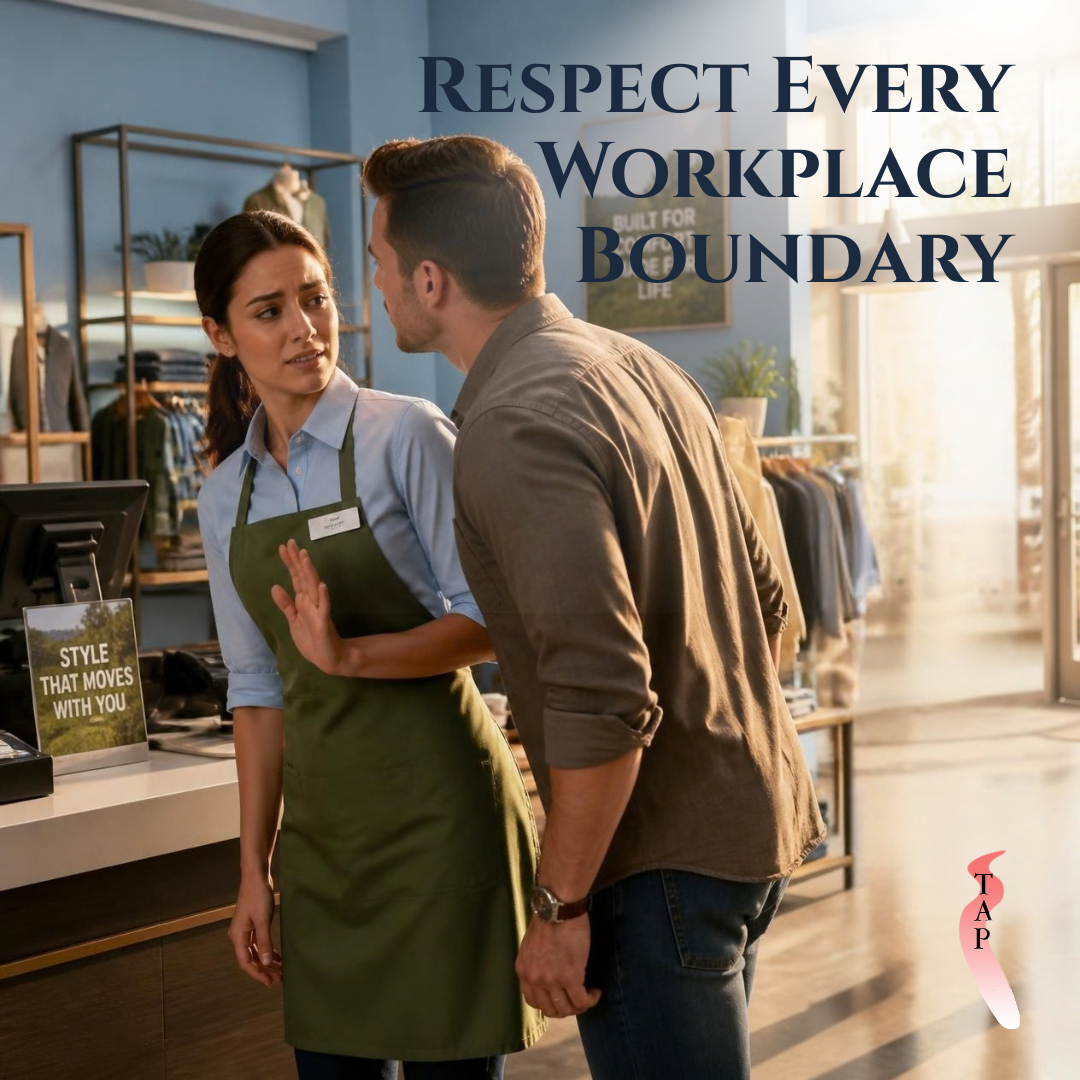
Retail workplaces involve frequent interaction between employees, managers, customers, vendors, and contractors. Employees may work on sales floors, stockrooms, service counters, warehouses, and other areas while handling customer needs and business responsibilities.
Because retail employees interact with many different people throughout the day, clear expectations around professional conduct, workplace boundaries, and reporting procedures are important parts of prevention.
Why Retail Workplaces Require Awareness
Retail environments can be busy and customer-focused. Employees may need to remain professional even when dealing with difficult customers, unexpected situations, or high-pressure periods.
Workplace expectations should apply throughout the store and during all work-related interactions. Employees should understand that professional conduct includes communication, personal boundaries, digital interactions, and behavior toward coworkers and others they encounter through their work.
Coworker and Manager Relationships
Retail employees often work closely with coworkers and supervisors. Frequent interaction can create opportunities for friendships and personal relationships, but employees should still understand professional boundaries.
Managers have additional responsibilities because they may influence scheduling, assignments, performance evaluations, promotions, and other employment decisions. Employers should ensure supervisors understand company policies concerning workplace relationships, professional conduct, and employee concerns.
Customers Can Also Create Workplace Concerns
Customer-facing employees may encounter inappropriate comments, unwanted attention, or behavior that makes them uncomfortable.
Employees should know that they can raise concerns about customer interactions through established workplace procedures. Supervisors should understand how to respond appropriately and provide support when customer behavior becomes a workplace concern.
Employers can also establish clear procedures for situations where an employee needs assistance with a customer interaction.
Vendors and Contractors Matter Too
Retail workplaces may involve delivery drivers, sales representatives, maintenance workers, security personnel, contractors, and other third parties.
Workplace expectations should be communicated clearly when appropriate, particularly when third parties regularly interact with employees. Employers should also provide employees with a clear process for reporting concerns involving individuals who are not direct employees.
Reporting Procedures Should Be Clear
Employees should know where to turn when they experience or witness inappropriate workplace conduct.
Employers can make reporting procedures easier to understand by:
- Clearly identifying reporting contacts
- Providing alternative reporting channels when appropriate
- Explaining procedures during onboarding and training
- Making policies accessible
- Explaining how concerns are handled
- Reinforcing expectations regarding retaliation
Employees should not have to determine the correct reporting process on their own.
Maintaining Professional Standards
Retail businesses can reinforce professional standards through everyday communication and management practices.
Expectations may address:
- Appropriate workplace language
- Professional customer interactions
- Personal boundaries
- Workplace relationships
- Digital communication
- Jokes and teasing
- Conduct involving customers, vendors, and contractors
Consistent expectations can help employees understand how workplace policies apply in different situations.
The Importance of Sexual Harassment Training
Sexual Harassment Training | TAP Series® can help retail employees and supervisors understand workplace expectations and reporting responsibilities.
Training can reinforce:
- Employee awareness: Helping employees recognize inappropriate conduct and understand professional boundaries.
- Reporting procedures: Explaining where employees can raise concerns involving coworkers, managers, customers, vendors, or contractors.
- Supervisor responsibilities: Helping managers understand how to respond when employees raise concerns.
- Workplace respect: Reinforcing professional communication and appropriate customer interactions.
- Prevention strategies: Connecting employee education with workplace policies, reporting channels, and consistent management practices.
Key Takeaways for Retail Employers
Retail employers can support workplace prevention by:
- Establishing clear professional conduct policies.
- Explaining reporting procedures to employees.
- Training supervisors on their responsibilities.
- Addressing concerns involving customers and third parties appropriately.
- Reinforcing professional boundaries.
- Providing regular employee education.
- Applying workplace expectations consistently.
Broader Implications for Employers
Retail workplaces involve a wide range of professional relationships. Employees may interact with coworkers and managers while also serving customers and working alongside vendors or contractors.
A clear approach to workplace conduct can help employees understand that professional standards apply across these different interactions. Accessible reporting procedures and regular training can further support employee awareness.
Conclusion
Sexual harassment prevention in retail workplaces requires consideration of everyone employees may encounter during their work. Coworkers, managers, customers, vendors, and contractors can all be part of the workplace environment.
Clear policies, practical training, accessible reporting procedures, and informed supervisors can help employees understand professional expectations and know where to turn when workplace concerns arise.